Having trouble submitting? Email us directly at nicole@beauway.com and we'll get back to you within 24 hours.











Tail Lift Reliability: What Fleet Managers Actually Look For
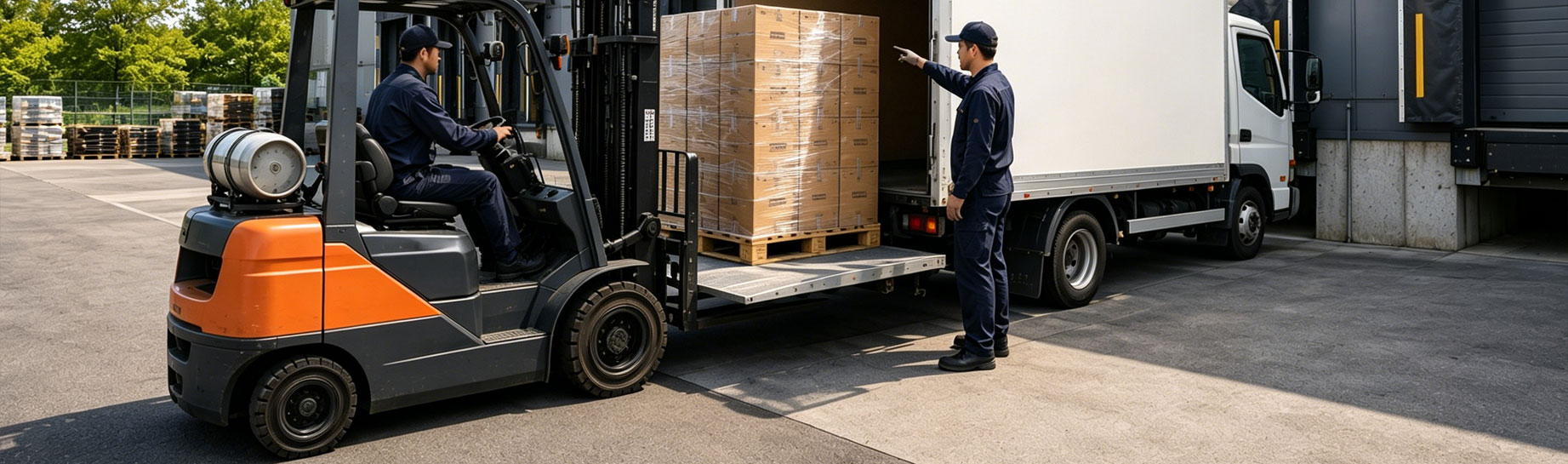
For most fleet operators, tail lift reliability is never an abstract spec on a datasheet. It comes down to a handful of practical questions. Does the hydraulic system stay consistent under daily, repetitive use? Does the platform structure hold its shape after thousands of loading cycles? And when something needs attention, how quickly can a technician find and fix it? These questions rarely show up on a spec sheet. Yet they determine whether a tail lift performs well over its full service life.
A common pattern across the industry: procurement teams focus on hard numbers first — load capacity, platform dimensions, lifting height. These figures are easy to compare side by side, which is why they dominate the early stages of a purchasing decision. But the real test of a tail lift’s design only shows up after the unit goes into service. Does the hydraulic system stay smooth through high-frequency cycles? Do the structural components hold up under sustained load? Does the layout of key parts make routine inspection fast rather than time-consuming? No single spec captures these qualities. A short test lift on a showroom floor won’t reveal them either.
This is why maintenance teams often know more about a tail lift’s real-world performance than any spec sheet can show. They open the power unit housing every month. They notice when a cylinder responds half a second slower than it used to. Ultimately, their work determines how much unplanned downtime a fleet absorbs each year. Few roles sit closer to a tail lift’s daily operating reality than theirs.
Hydraulic System Stability Shapes Day-to-Day Consistency
A tail lift can go through dozens of lift-and-lower cycles in a single day. The hydraulic system doesn’t just take one hit — it absorbs continuous, repetitive stress. Hydraulic system stability shows up in two concrete ways. First, lifting and lowering speed should stay even, without hesitation or lag as the load changes. Second, the cylinder seals and valve body should hold their precision over time, without developing leaks or delayed response.
Feedback from a maintenance team on the ground reflects this directly:
“The hydraulic system runs smoothly with stable lifting and lowering. The platform structure is rigid and handles frequent loading cycles without noticeable flex.” — Michael Carter, Fleet Maintenance Manager
The two points here — smooth hydraulic operation and a platform that resists flex — map onto the two core indicators of long-term tail lift reliability: consistent power output and sustained structural rigidity. Fleets with high daily cycle counts should weight these two factors above raw load capacity. Load capacity only needs to meet a threshold once. Stability and rigidity need to hold up across hundreds, even thousands, of repeated cycles.
What Drives Hydraulic Stability at the Component Level
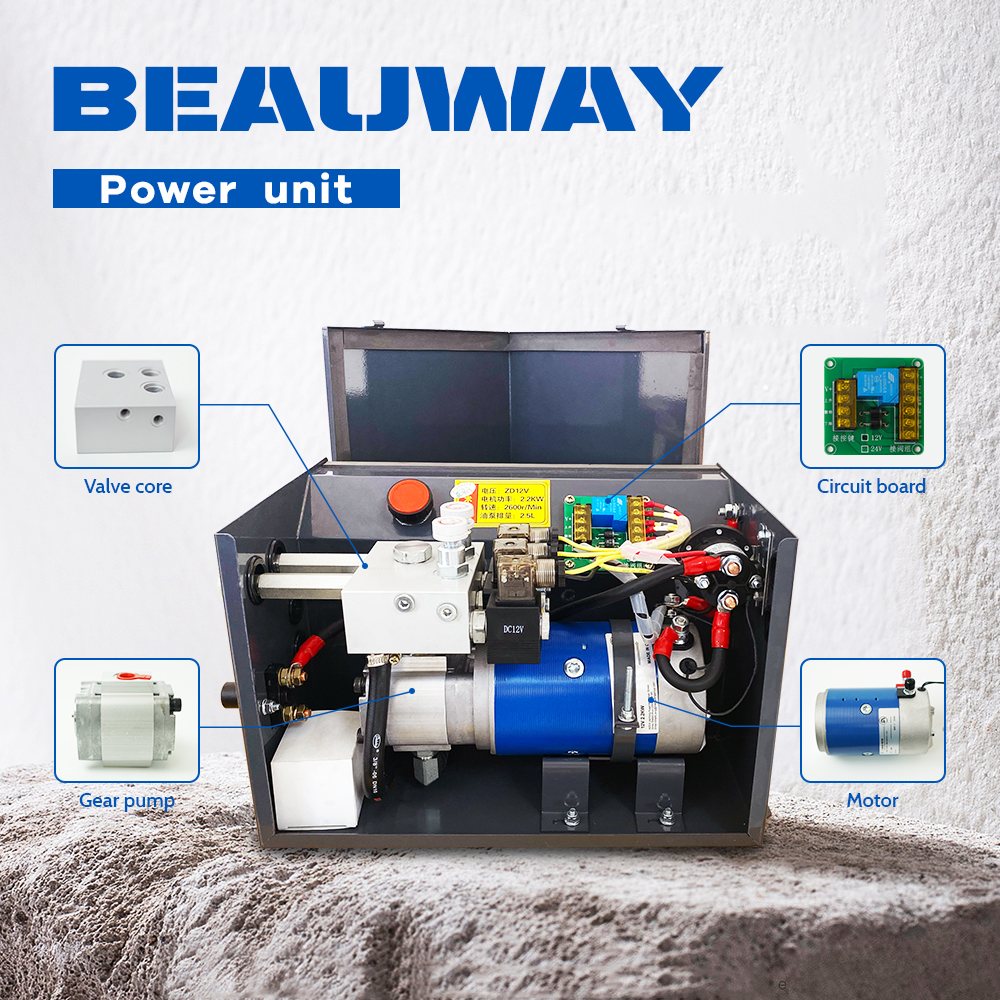
Component matching plays a large role here. A correctly sized gear pump maintains consistent flow rate through repeated starts and stops. It won’t lose pressure as internal parts heat up over a long shift. Valve precision works the same way. A valve core that holds tight tolerances keeps lift and lower speed predictable, load after load, instead of drifting as wear builds up.
Cylinder seal quality matters just as much. Seals that degrade unevenly are a common source of gradual pressure loss. This usually shows up first as slightly slower response. Left unaddressed, it eventually turns into visible fluid leakage. None of this tends to appear in the first weeks of use. It surfaces only after a unit logs a meaningful number of duty cycles — which is exactly why long-term maintenance feedback carries more weight than first impressions.
Structural Rigidity Is the Hidden Cost of High-Frequency Loading
Minor platform flex under repeated loading is easy to miss at first. Over time, though, it carries a real cost. Weak structural rigidity might start as a slight wobble during operation. Left unchecked, it adds stress to hinge points and structural welds. That accelerates wear and shortens the unit’s service life. It can also affect how stable cargo stays during loading and unloading.
A few warning signs are worth watching:
- Visible sagging or wobble at the platform edge under full load
- Unusual noise or looseness where the platform meets the lifting arm, after repeated cycles
- Any loss of a level, consistent platform position over time
A well-designed tail lift platform holds a stable, level position even under high-frequency loading cycles. It shouldn’t show signs of structural fatigue as usage builds up. That’s why maintenance teams often treat structural rigidity as a core performance indicator — not just a spec to compare during procurement.
Where Structural Rigidity Actually Comes From
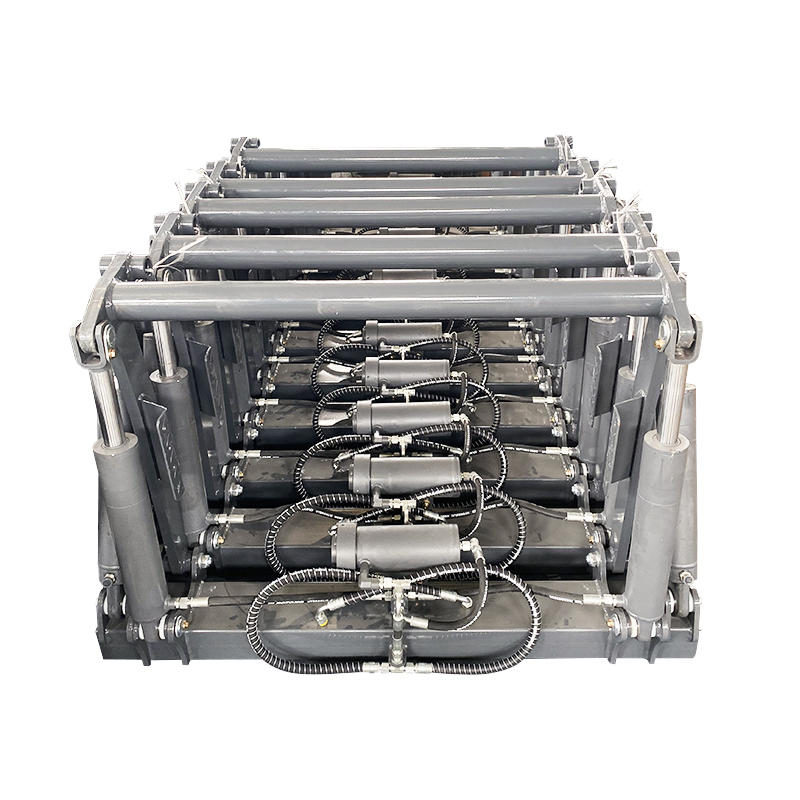
Frame design drives most of this. It determines how load paths spread across the platform and lifting arm assembly. A platform that concentrates stress at just a few connection points tends to fatigue sooner than one that spreads load more evenly across the frame.
Weld quality matters too. Consistent, full-penetration welds at load-bearing joints hold up far better under cyclic stress. Welds with hidden porosity or incomplete fusion fail sooner — even when both look identical on a new unit. This explains why two tail lifts with the same published load rating can behave very differently after a year of daily use. A rated capacity describes what a unit can lift once. It says nothing about how that unit distributes stress across thousands of repetitions.
Material selection and gauge thickness matter, but only alongside sound structural design. A heavier steel plate with poor bracing will still flex under repeated load. A well-braced frame in a lighter material can hold its shape considerably longer.
A Quick Way to Compare Two Units
Fleet managers evaluating two similar-looking tail lifts can look past the spec sheet for a moment. Ask how the manufacturer distributes load across the frame, not just what the frame is rated to carry. A supplier who can explain load path design in plain terms usually understands durability at a deeper level. That understanding often separates a unit built to survive one heavy lift from one built to survive ten thousand normal ones.
Component Layout and Ease of Maintenance
Beyond raw performance, tail lift maintenance difficulty comes down to how the key components are laid out. A hydraulic system with well-integrated parts and clean wiring cuts inspection and troubleshooting time significantly. When core components sit scattered and wiring runs disorganized, maintenance costs climb — not because the product underperforms, but because problems take longer to locate and fix.
A maintenance technician from an overseas fleet shared this feedback (translated from Korean):
“The structure is designed to be robust and performs reliably even in repetitive working environments. The hydraulic system responds smoothly, and the layout of key components is relatively convenient for maintenance and inspection. Overall structural reliability is high.” — Park Jun-ho, Commercial Vehicle Maintenance Technician
This comment about convenient layout ties directly to how well the main hydraulic components integrate — the power unit, gear pump, lifting and tilting cylinders, and valve core. Take the power unit as an example. Housing the motor, pump, and valve body in a single enclosed unit lets a technician complete most routine checks in one spot. They don’t need to trace components across different points of the chassis. That difference directly affects daily inspection efficiency.
Wiring Layout Matters Just as Much
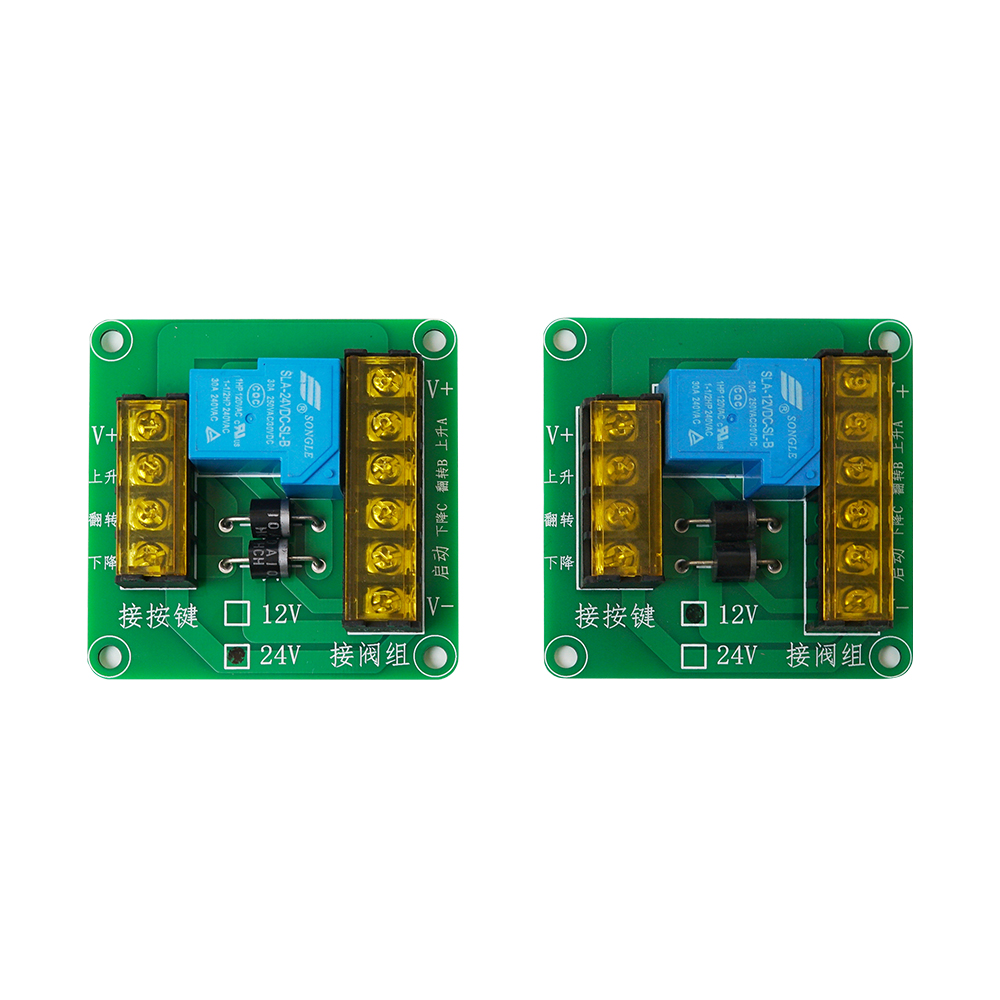
A control circuit with clearly labeled connections and a logically organized junction point speeds up fault isolation. Compare that to a wiring layout where cables bundle together without clear routing — finding a failed contactor or a loose square coil connector takes far longer. Electrical faults are often quicker and cheaper to fix than hydraulic ones. But only if a technician can diagnose them fast.
Accessibility plays a role too. Components mounted in hard-to-reach spots often get skipped during routine checks, simply because reaching them takes too much time. That means small issues can go unnoticed until they grow into bigger ones. A layout that keeps the most failure-prone parts within easy reach makes a real difference. Pump, valve core, control box, key electrical connections — when these sit close and visible, someone catches a developing problem sooner.
A Practical Tail Lift Maintenance Checklist
Regular inspection remains the most direct way to extend service life and cut the risk of unexpected failures. Below is a baseline framework for a tail lift maintenance checklist. Actual intervals should follow the manufacturer’s documentation and reflect real usage frequency.
- Weekly: Listen for unusual noise, hesitation, or uneven speed during lifting and lowering. Check the platform surface for visible wear or cracking.
- Monthly: Check hydraulic fluid level against the normal range. Inspect major connection points — lifting arm, hinge joints — for unusual looseness.
- Quarterly: Check cylinder seals and valve connections for leaks. Recheck structural welds and connecting bolts for proper tightness.
- Annually: Run a full functional test on the electrical control system, including the control box and remote unit. Carry out a comprehensive load test on the overall structure.
Inspection frequency should scale with actual usage intensity. Fleets running high-frequency loading cycles generally need tighter inspection intervals than fleets with lighter, less frequent use. A generic maintenance schedule won’t always match real operating conditions.
Think in Cycles, Not Just Calendar Time
Cumulative cycles matter more than the calendar here. A tail lift used a few times a week wears far more slowly than one cycled dozens of times a day, even at the same age. High-usage fleets may find it more accurate to track approximate cycle counts alongside a calendar-based schedule. Push inspection intervals up as usage climbs, rather than waiting for a fixed number of months to pass.
Seasonal variation matters too. A tail lift used heavily during a peak shipping season deserves closer attention during and right after that stretch — even if its annual average usage looks moderate.
Keep a Simple Log
A basic maintenance log helps here. Note the date, what got checked, and anything unusual. Over a year, this record makes it much easier to spot a pattern before it becomes a failure. It also gives a technician useful context the next time they inspect the unit.
Frequently Asked Questions
How often should a tail lift be inspected? Inspection frequency depends on actual usage intensity. A general guideline: run a basic visual check weekly, check fluid level and connections monthly, and review seals and structure quarterly. Adjust based on loading frequency.
What causes a tail lift platform to lose structural rigidity? Sustained high-frequency loading puts continuous stress on structural welds and hinge points. If material strength or structural design falls short, that stress gradually causes flex or looseness.
Can hydraulic tail lifts handle high-frequency loading cycles? A well-designed hydraulic tail lift with quality components can sustain continuous high-frequency use. Actual durability still depends on hydraulic stability, structural rigidity, and consistent maintenance.
Why does hydraulic system stability matter for daily operations? Hydraulic stability determines the consistency and safety of each lifting cycle. An unstable system slows down loading. Over time, it can also accelerate component wear and raise the risk of unexpected downtime.
Does component layout really affect how long a tail lift lasts? Layout doesn’t change how long individual components last on their own. It strongly affects how fast developing issues get noticed. A well-organized layout shortens diagnosis time, so problems get caught before they turn into bigger failures.
Assessing tail lift reliability shouldn’t stop at static specs like load capacity or platform size — those numbers describe potential, not performance. What matters more is how a unit performs under sustained, high-frequency use. Hydraulic stability, structural rigidity, and a maintenance-friendly component layout — these three factors together determine the real cost and operating experience of a hydraulic tail lift across its full service life. Fleet operators and maintenance teams can use these criteria as a starting point — weighed against their own loading frequency and operating conditions.
Trusted by Fleet Operators Across 60+ Countries
Stop Losing Time at the Loading Dock.
Get a Custom-Matched Tail Lift Quote in 24 Hours.
60
Countries Served
24h
Quote Turnaround
99.9
Field Uptime
5.0
Customer Rating
No Obligation
CE & UKCA Certified
Standard & Custom Builds
Worldwide Shipping