Having trouble submitting? Email us directly at nicole@beauway.com and we'll get back to you within 24 hours.











Tail Lift Accessories Guide: Lights, Switches, Wear Plates & More
Why Tail Lift Accessories Shouldn’t Be an Afterthought
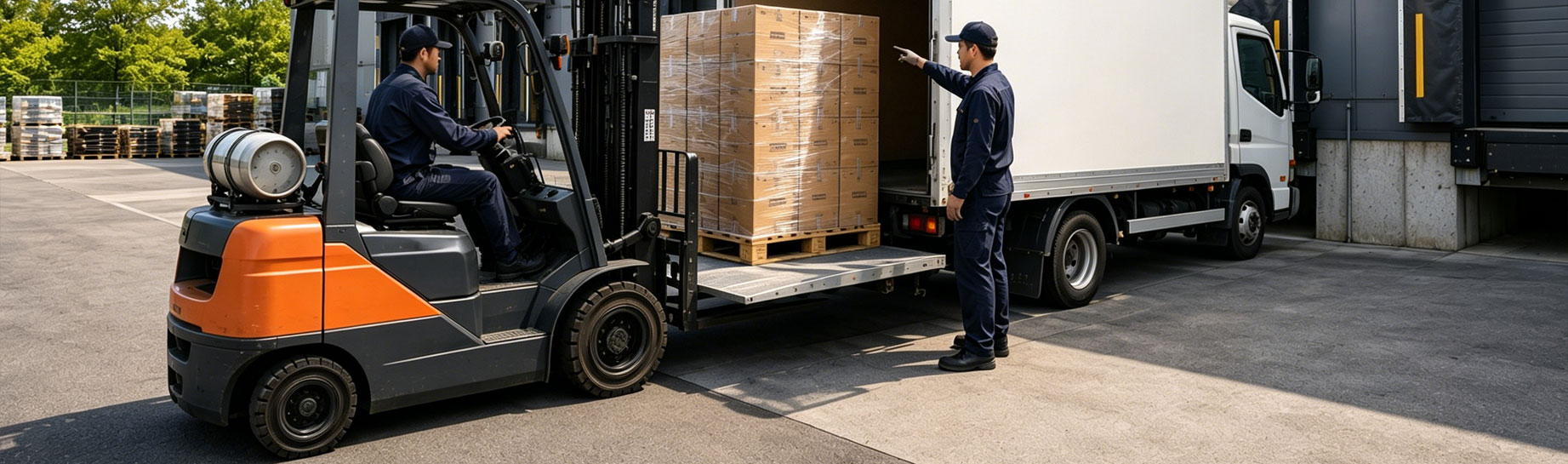
A tail lift that lifts and lowers smoothly is only half the job. Many fleets treat tail lift accessories as an afterthought. Purchasing decisions focus almost entirely on load capacity and lift speed. Warning lights, foot switches, and wear plates end up on the “optional” list. But in daily operation, these smaller parts often decide whether loading stays safe. They also decide whether a fleet avoids the cargo damage or injury claims that a strong lift mechanism alone can’t prevent.
A Familiar Pattern Across the Industry
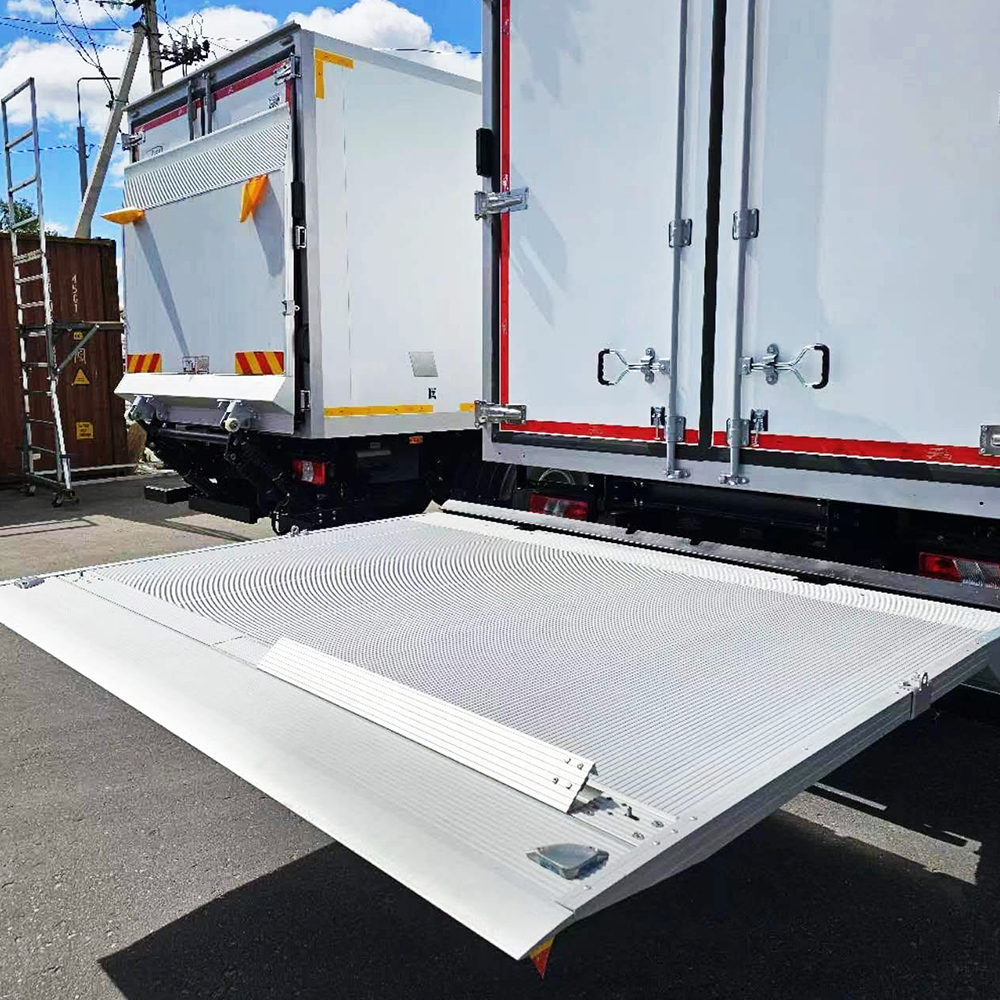
Fleets often compare tail lift pricing and core specs first. They push accessories to a later decision, almost like a line item rather than part of the core spec. The gap usually shows up in the field. A driver struggles to see the platform on a night run. A platform turns slippery during a rainy pickup. An operator fumbles a manual switch while both hands hold cargo. Some fleets only catch the gap during a handover inspection or a third-party safety check. By then, retrofitting costs more and takes longer than specifying the right accessories upfront. In operations with frequent loading, unpredictable weather, or high-value cargo, a missing accessory’s hidden cost often outweighs its price many times over.
Core Tail Lift Accessories to Consider
It helps to think about each accessory by the specific failure it prevents, not as a generic upgrade package. The four accessories below each solve a distinct, recurring problem: visibility, hand availability, platform traction, and long-term durability. Treating them separately makes it easier to match a fleet’s real operating conditions to the accessories that matter most.
Warning Lights: Improving Visibility in Low-Light Conditions
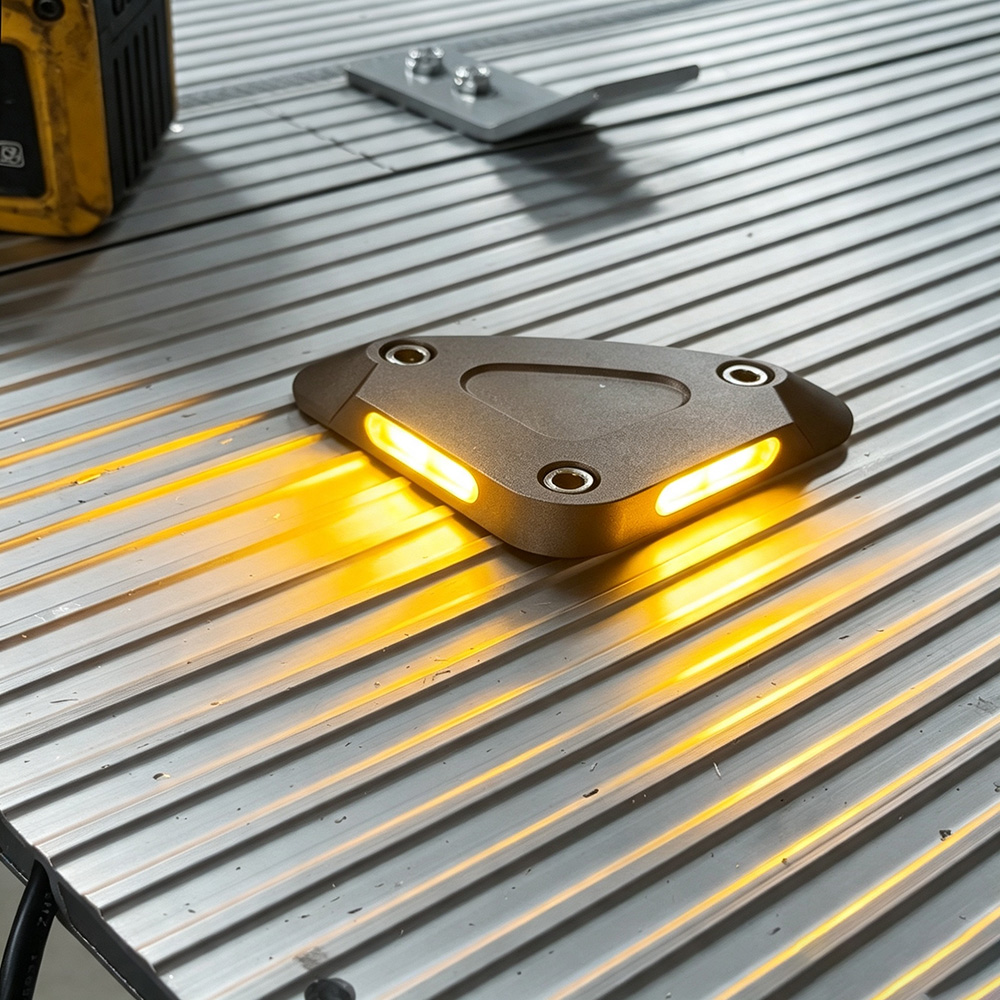
Night deliveries, rain, fog, and dim warehouse docks all reduce visibility. Under these conditions, nearby traffic or pedestrians often miss a lowered tail lift platform, which raises the risk of a collision. Warning lights solve this directly. Installers typically mount them along the platform edge or on the lift columns. The lights turn on automatically, or the operator switches them on, once the platform reaches a near-horizontal working position. This alerts others to stay clear during loading or unloading. Vehicle signal lighting regulations usually guide the color, flash pattern, and mounting position of these lights. Requirements vary by region and vehicle type, so it’s worth checking local rules rather than assuming one spec fits every market.
Fleets running frequent night shifts, cross-region routes, or last-mile delivery schedules usually treat warning lights as a standard item. Low-visibility conditions are a routine part of the job for these fleets, not an occasional risk. Fleets running mostly daytime, fixed routes in well-lit loading areas can reasonably rank this lower. Even daytime operations can hit low-visibility conditions in winter months or covered loading bays, though. Before installation, check that a warning light’s power draw and connector type match the vehicle’s existing wiring. Mismatched wiring is one of the more common reasons a retrofit costs more than planned.
Foot Switches: Keeping Operators’ Hands Free
A manual push-button control forces the operator to free up one hand for the lift while the other hand holds cargo steady. This setup causes errors with heavier or awkwardly shaped loads, especially when the operator works alone. A foot switch moves lift control underfoot instead. The operator keeps both hands on the load and raises or lowers the platform with a foot movement. This cuts the chance of a load slipping, tipping, or getting knocked during a rushed lift.
Most foot switches on the market carry an IP65 rating or higher. This lets them hold up in rain or on wet ground without short-circuiting or sticking. Safety reviews for a tail lift typically cover this control device as part of the overall operational assessment. This includes protection against accidental activation, not just the switch on its own. Last-mile delivery hubs and warehouse transfer points see high-frequency loading. In these settings, a foot switch smooths out the loading rhythm. It can shave measurable time off each stop. In lower-frequency, longer-cycle operations, the choice comes down more to operator habits and comfort than a clear safety requirement. Some fleets keep the manual button as backup control. A foot switch failure shouldn’t take a vehicle out of service while a replacement part is sourced.
Wear Plates (Anti-Slip Plates): Reducing Slip Risk During Wet Loading
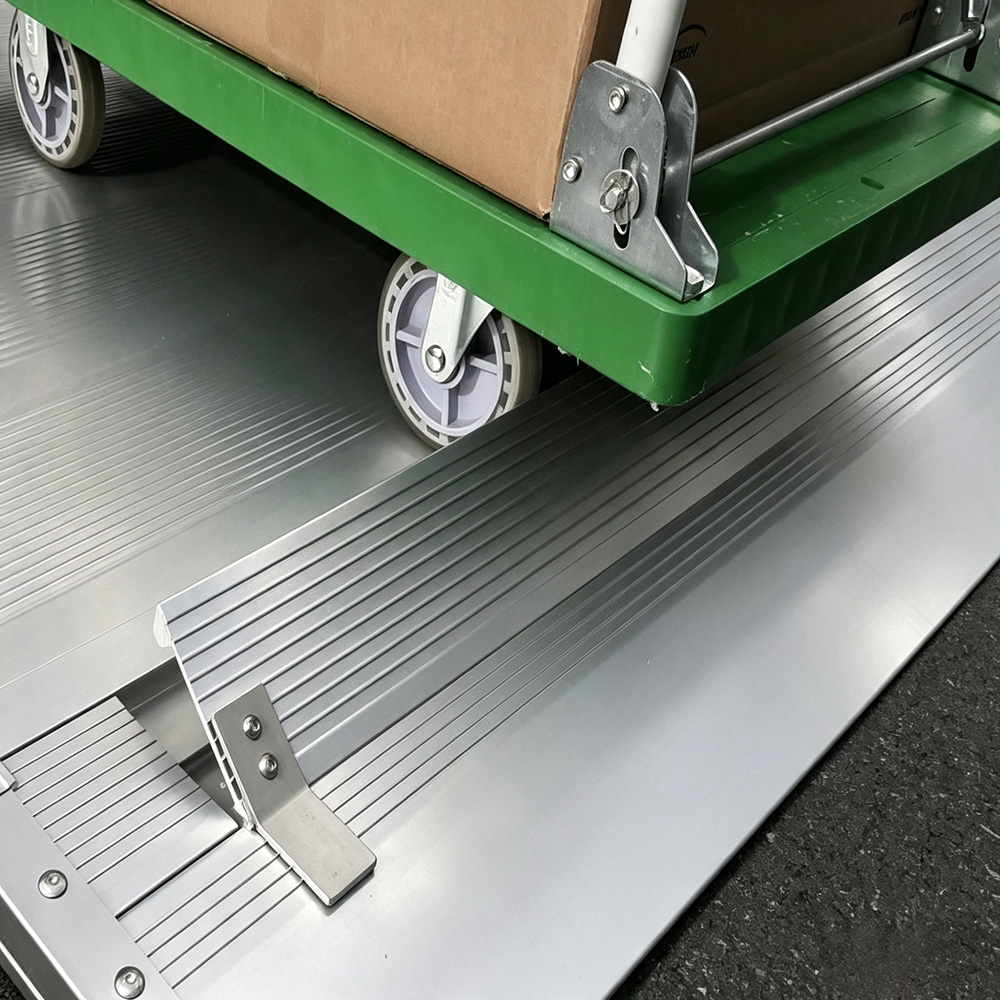
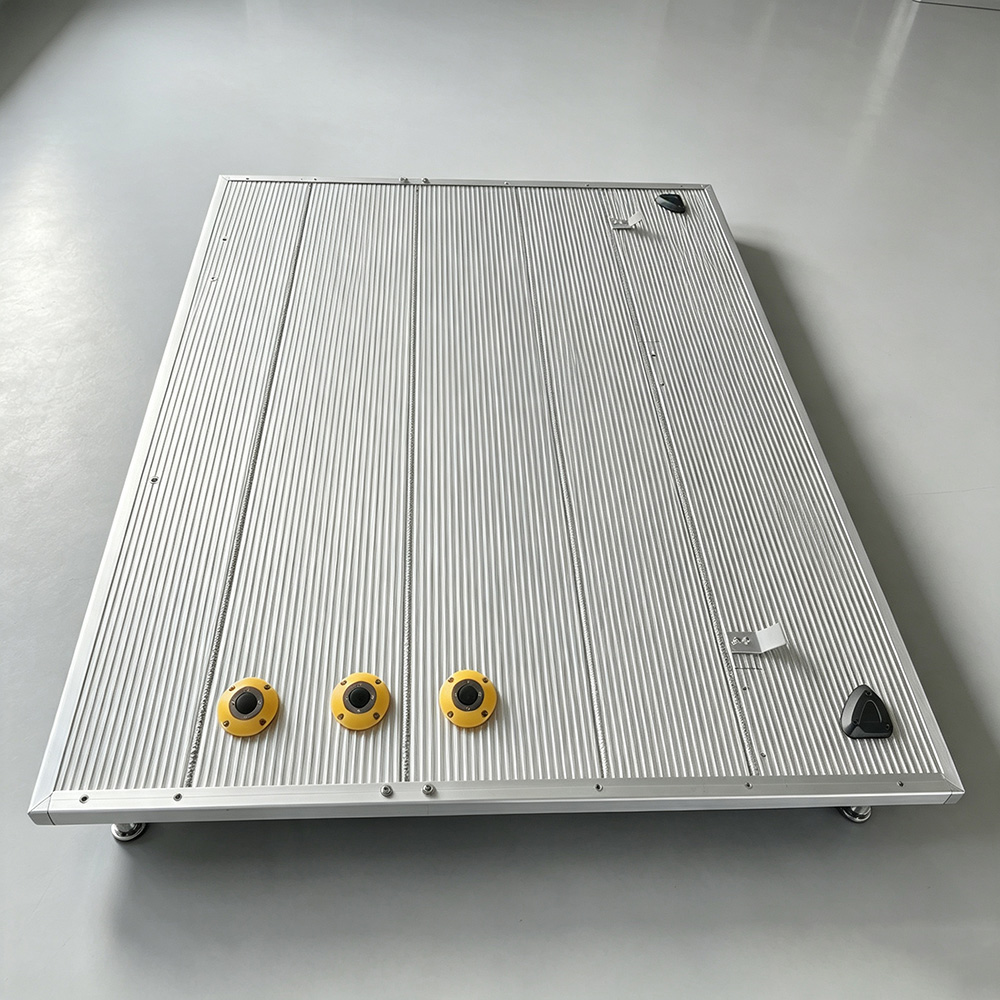
Tail lift platforms wear down over time from cargo friction and rain exposure. That wear becomes a real hazard once traction drops during wet-load handling or rainy-day work, for both operator footing and cargo stability. A wear plate, sometimes called an anti-slip plate, addresses this directly. Installers weld a stainless steel or textured plate onto the platform sections that see the most wear. The plate spreads out ground impact, protects the underlying coating, and adds traction where operators and hand trucks move most.
Adding a wear plate costs less than replacing an entire platform and targets the actual problem area. This makes it especially useful when wear is localized but the platform structure is otherwise sound. Cold chain and fresh produce routes often wash the platform down several times a day. On these routes, a wear plate’s corrosion resistance and traction pattern deserve extra attention, since repeated washing speeds up both wear and surface corrosion. Fleets hauling mostly dry, well-packaged goods see slower platform wear. These fleets can reasonably push this upgrade back and reassess based on visible wear during routine inspections, rather than a fixed schedule.
Corrosion Protection: The Tail Lift Accessory That’s Easy to Overlook
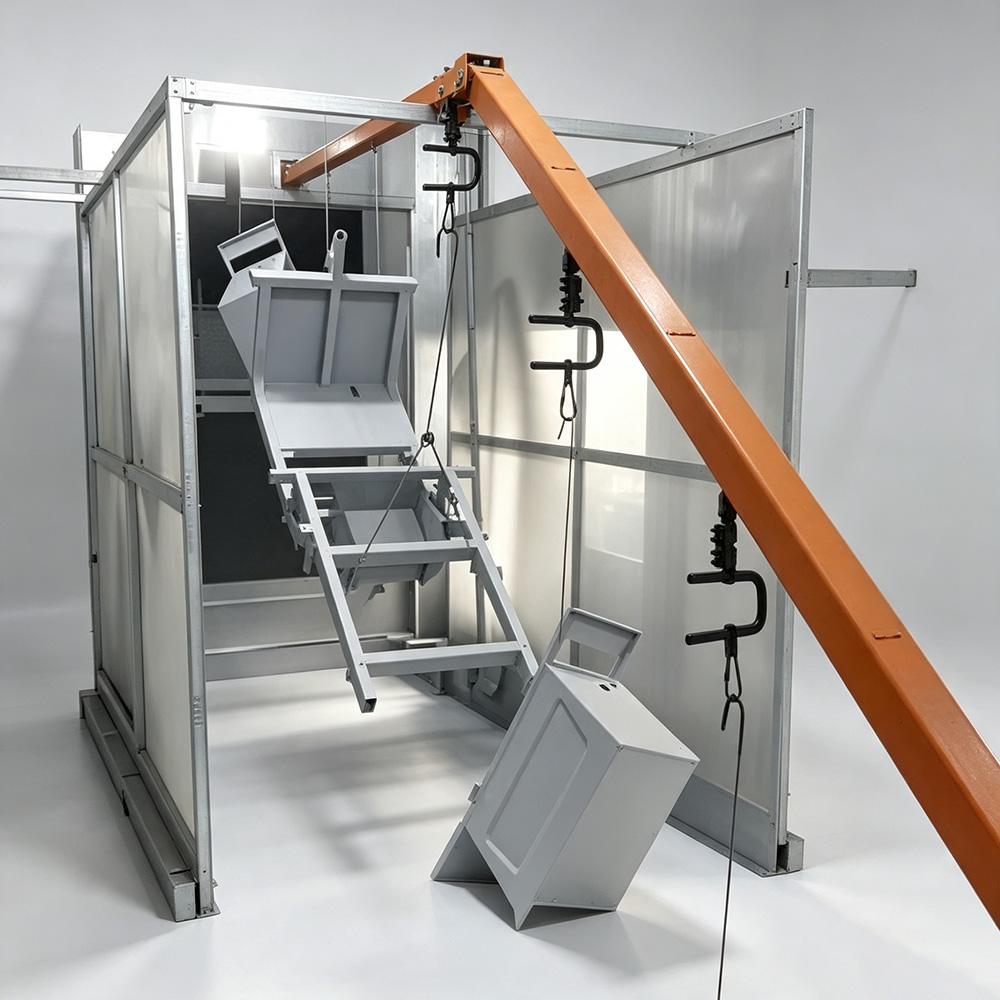
Operators notice warning lights and foot switches right away. Corrosion protection is different. Suppliers commonly apply it as an electrophoretic coating. It’s easy to leave off a purchase order, because its value shows up in long-term durability, not day-to-day use. Tail lifts spend most of their working life outdoors. In coastal, high-salt-spray, or consistently humid regions, metal components corrode noticeably faster. This can affect the safety and service life of load-bearing structures well before the rest of the vehicle needs replacing.
Electrophoretic coating covers metal surfaces evenly, including seams and welds that conventional spray painting often misses. This makes it one of the more established corrosion protection methods in the tail lift industry. Over a full service cycle, this accessory often pays for itself. Fewer repairs and a longer usable lifespan offset the upfront cost, even though the return isn’t visible in the first few months. Vehicles operating mainly in dry inland regions face less corrosion exposure. These fleets can reasonably weigh this investment differently and prioritize other accessories first.
Matching Tail Lift Accessories to Your Use Case
Different transport scenarios call for different accessory priorities. Few fleets need the same combination twice. A few common patterns:
- Mostly night deliveries or cross-region routes: prioritize warning lights for visibility in low light
- High-frequency loading, last-mile delivery hubs: foot switches improve operational flow and cut handling errors
- Cold chain or fresh produce routes with frequent washdowns: wear plates add traction and resist corrosion
- Coastal, high-salt-spray, or humid operating regions: corrosion protection extends the platform’s service life
- Mixed-use fleets covering several conditions above: a combination usually costs less than retrofitting one accessory at a time later
Most fleets need more than one of these accessories. The right combination depends on a vehicle’s operating environment, loading frequency, and cargo type together, not any single factor alone. Reviewing these conditions vehicle by vehicle, instead of applying one standard configuration fleet-wide, produces a more accurate accessory list for each route.
A useful way to run this review: pull the vehicle’s route log for a typical month. Check how many stops happen after dark. Look at how many loads involve wet or refrigerated cargo. Then note the average number of loading cycles per shift. These three numbers alone point toward most of the accessory decisions above, and they’re usually easier to gather than fleet managers expect.
Vehicles that share a route type often share an accessory profile too. A fleet manager comparing a night-route van against a daytime local-delivery van will usually see two very different accessory lists once this review is done. That difference is normal. It reflects two different risk profiles, not two different standards of caution.
The order of adding accessories matters too. Fleets on a fixed budget often start with whichever accessory addresses the most frequent or costly incident on record. That might mean a warning light after a near-miss on a night route, or wear plates after repeated slip-related delays during wet-weather loading. Spreading the remaining accessories across future purchase cycles reduces risk sooner. It doesn’t require a larger upfront commitment, unlike waiting to specify a full package at once.
How to Tell If a Tail Lift Is Actually Ready for the Job
Base specifications like load capacity and lift speed don’t decide whether a tail lift is genuinely good enough for the job. The real test is different. Do the accessories — warning lights, foot switches, wear plates, corrosion protection — cover the risks a fleet actually faces day to day? Does the vehicle have a way to signal reduced visibility? Is there enough safety margin for high-frequency operation? What about protection against wet, slippery conditions, or consideration for long-term outdoor durability? The right answer changes with operating hours, loading frequency, cargo type, and environment. No single configuration fits every fleet.
Before finalizing a purchase, check a vehicle’s actual operating conditions against this list of tail lift accessories. Don’t rely on the base unit’s price alone. A lower upfront price on the main lift mechanism can end up costing more later. Missing accessories often lead to retrofits, downtime, or an incident that a small upfront addition would have prevented.
Fleet managers evaluating a new supplier or vehicle spec can apply the same checklist during due diligence. Ask which of these accessories come as standard and which are optional. Confirm when each specification was last updated, since details can change between model years. Request documented specifications — light rating, switch protection class, plate material, coating type — instead of general descriptions. A supplier who answers these questions directly, with clear specifications rather than marketing language, usually signals better build quality than price comparison alone.
This checklist approach also works well when comparing quotes from multiple suppliers side by side. A quote that lists tail lift accessories individually, with specifications for each, is easier to compare than a bundled line item. It also helps spot a supplier cutting corners on one accessory to offer a lower headline price. That pattern shows up more often than fleet managers expect, especially on wear plates and corrosion protection, where the cost difference between grades isn’t always obvious from the quote alone.
Frequently Asked Questions
Is there a specific regulation for tail lift warning lights?
Warning light design usually references vehicle signal lighting regulations, though requirements vary by region and vehicle type. Confirm the applicable standard with a supplier before ordering.
Do foot switches increase the risk of accidental activation?
A well-designed foot switch requires deliberate pressure to trigger. In practice, it tends to reduce errors compared with a manual button operated one-handed while holding cargo.
Are wear plates and anti-slip plates the same accessory?
Yes. Both terms refer to the same component: a plate welded onto high-wear areas of the platform to add traction and protect the coating underneath.
How does electrophoretic coating differ from standard spray-painted rust protection?
Electrophoretic coating covers metal surfaces more evenly, including seams and welds that spray painting often misses. This makes it better suited to equipment used outdoors or in humid conditions long-term.
What’s the easiest way to decide which tail lift accessories a fleet actually needs?
Start from operating conditions, not a product list. Night routes point toward warning lights. High-frequency stops point toward foot switches. Wet or washed-down platforms point toward wear plates. Coastal or humid climates point toward corrosion protection.
Trusted by Fleet Operators Across 60+ Countries
Stop Losing Time at the Loading Dock.
Get a Custom-Matched Tail Lift Quote in 24 Hours.
60
Countries Served
24h
Quote Turnaround
99.9
Field Uptime
5.0
Customer Rating
No Obligation
CE & UKCA Certified
Standard & Custom Builds
Worldwide Shipping