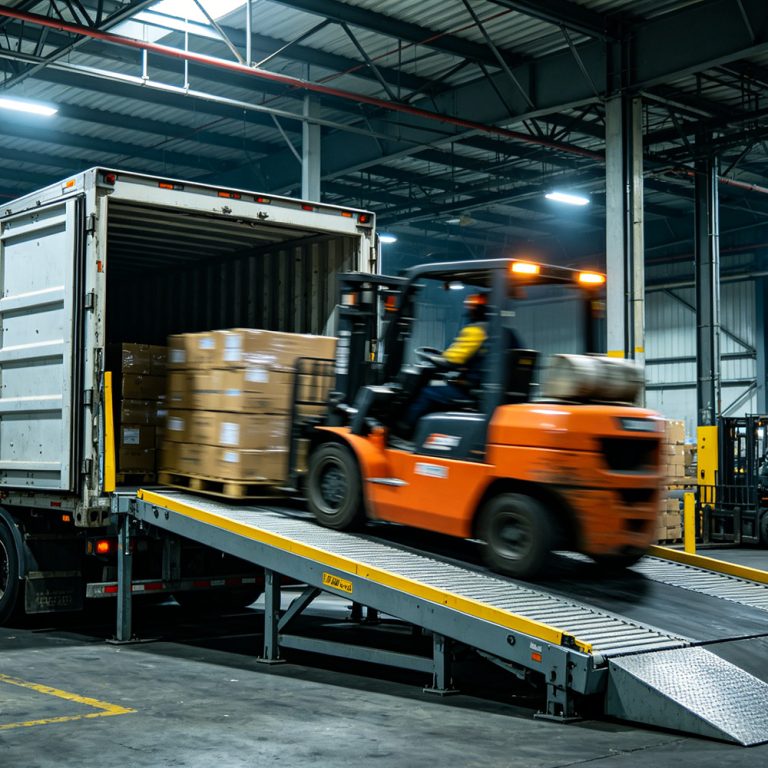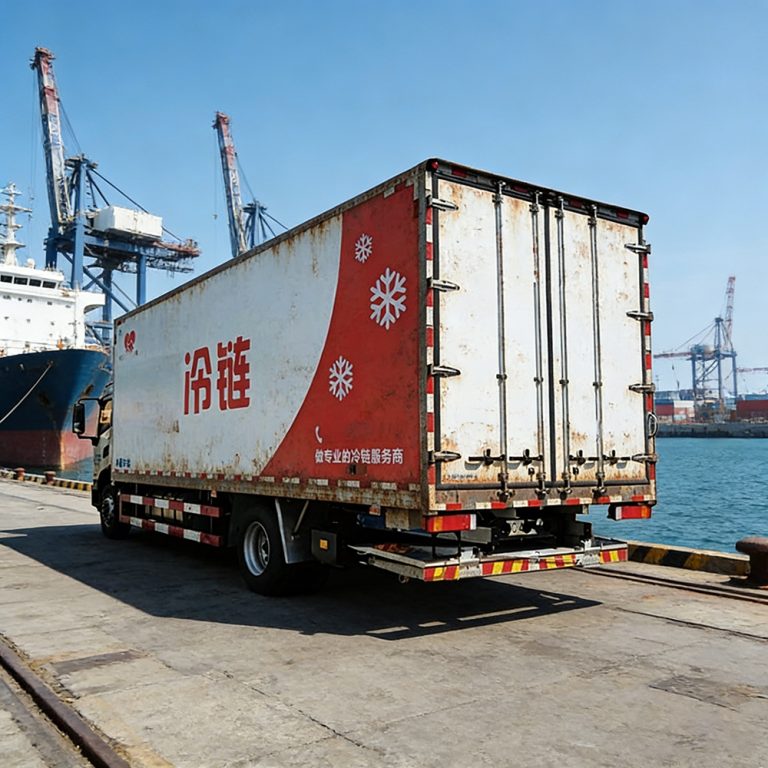








Liftgate for Box Truck: US Importer’s Guide to Hydraulic Tail Lifts from China
Liftgate for Box Truck in the US Market: What Importers Need to Know
As e-commerce fulfillment and last-mile delivery demand continues to grow across the United States, the box truck liftgate has become one of the most essential equipment categories for freight fleets, logistics operators, and equipment distributors. Whether for urban delivery, warehouse transfers, or interstate transportation, a reliable hydraulic liftgate directly impacts loading efficiency and operational safety. This article provides a comprehensive guide covering product types, technical specifications, procurement processes, and US import compliance — everything importers need to know before sourcing a tail lift.
1. Why Box Truck Liftgate Demand Keeps Growing in the US Market
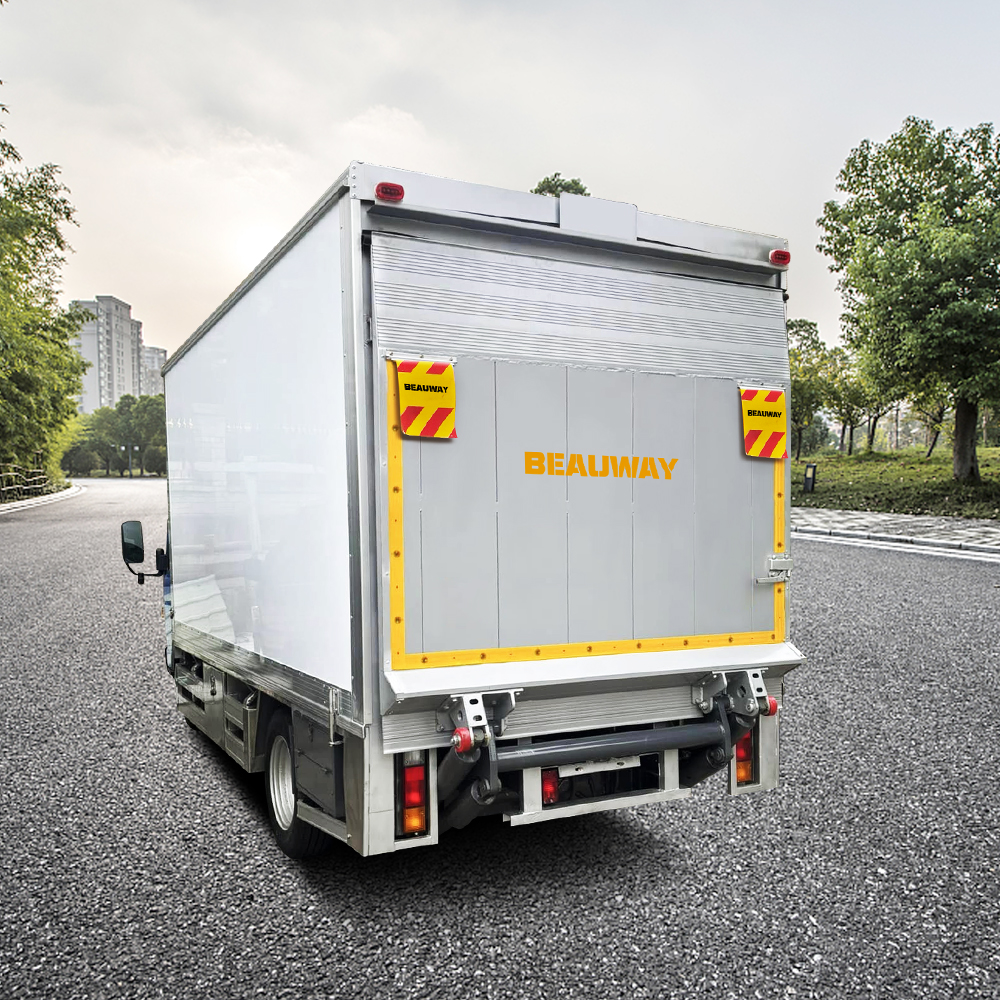
Millions of box trucks are registered and in active use across the United States, serving industries ranging from parcel delivery and furniture logistics to medical supply transport and retail replenishment. As labor costs rise and OSHA workplace safety standards become increasingly stringent, more operators are upgrading from manual loading to mechanized solutions — making the tail lift a standard fixture on commercial delivery vehicles.
At the same time, US market acceptance of Chinese-manufactured truck tail lifts has grown significantly. Chinese factories have reached international standards in hydraulic systems, structural steel fabrication, and electronic control units, while maintaining a clear price advantage. This has attracted a growing number of US importers, distributors, freight logistics companies, and box truck fleet procurement managers to source directly from Chinese manufacturers.
2. Main Product Types: What You Need to Know
Before selecting a box truck hydraulic lift, understanding the structural characteristics and applicable scenarios of each type is essential.
Cantilever Tail Lift
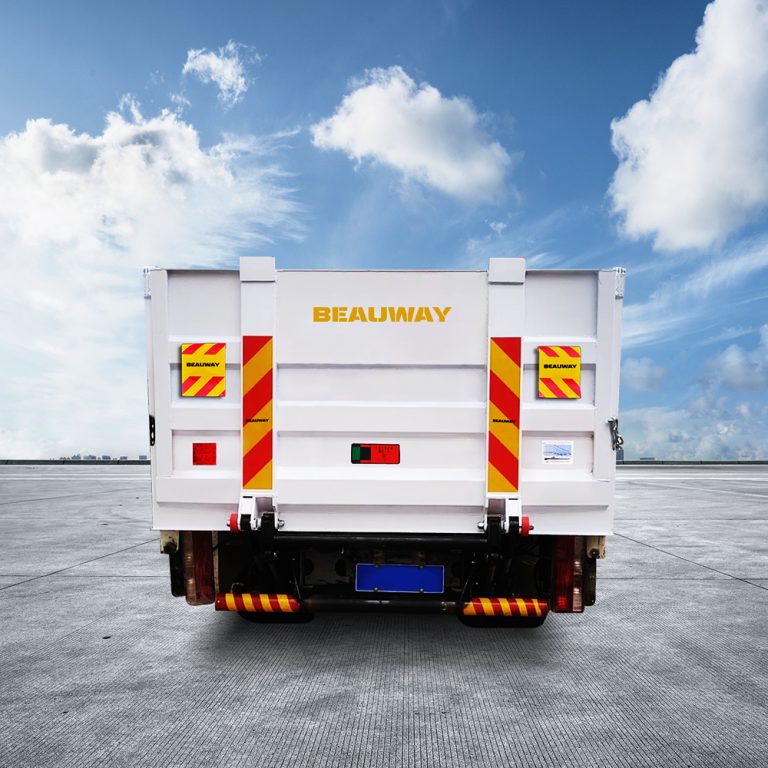
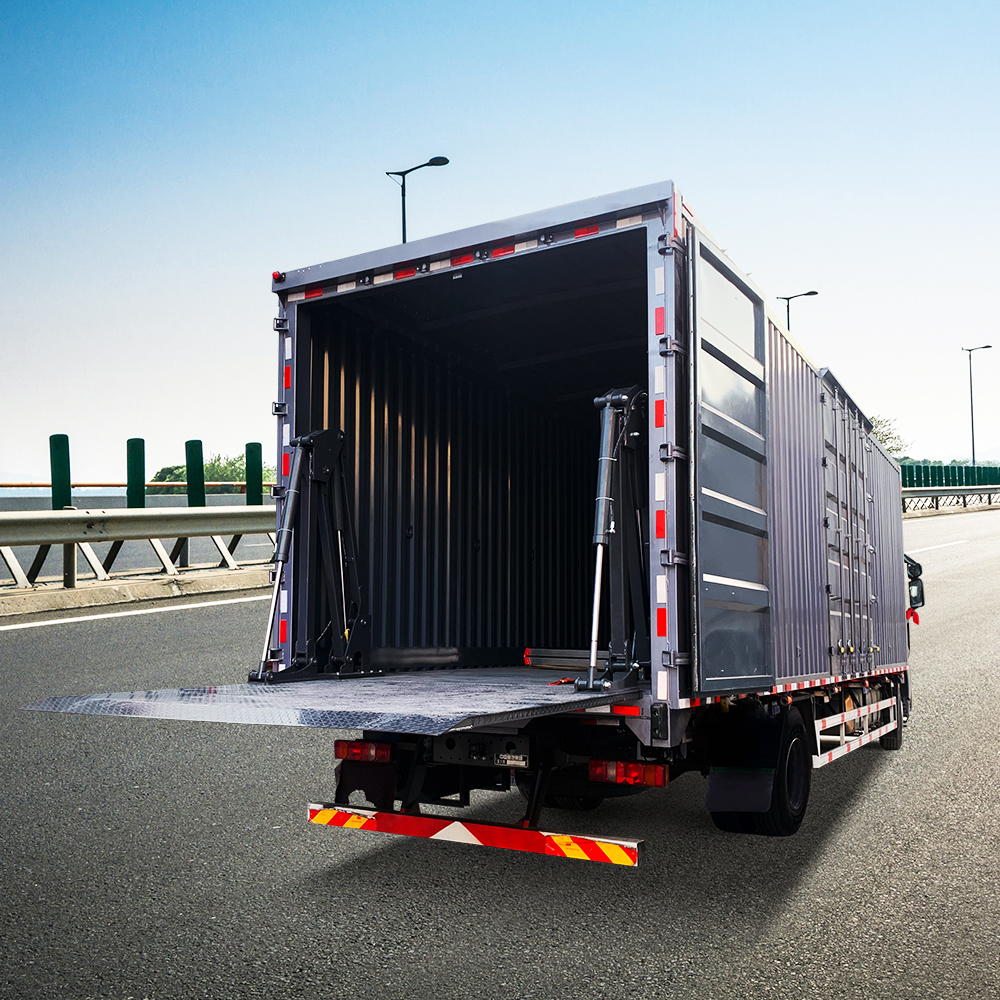
The most common configuration for box trucks, the cantilever design features a platform that extends from the rear of the vehicle. Load capacity typically ranges from 500 kg to 2,000 kg. Its straightforward operation makes it ideal for high-frequency urban delivery routes.
Folding Tail Lift
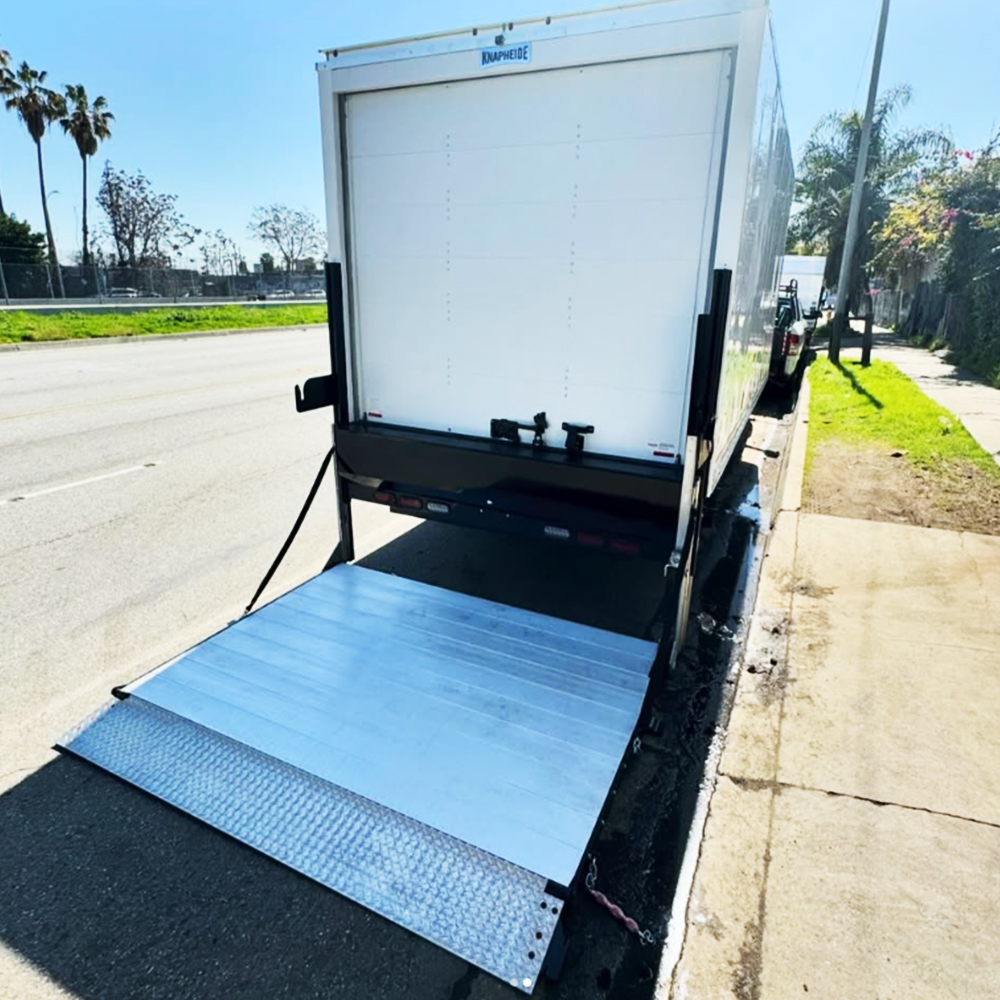
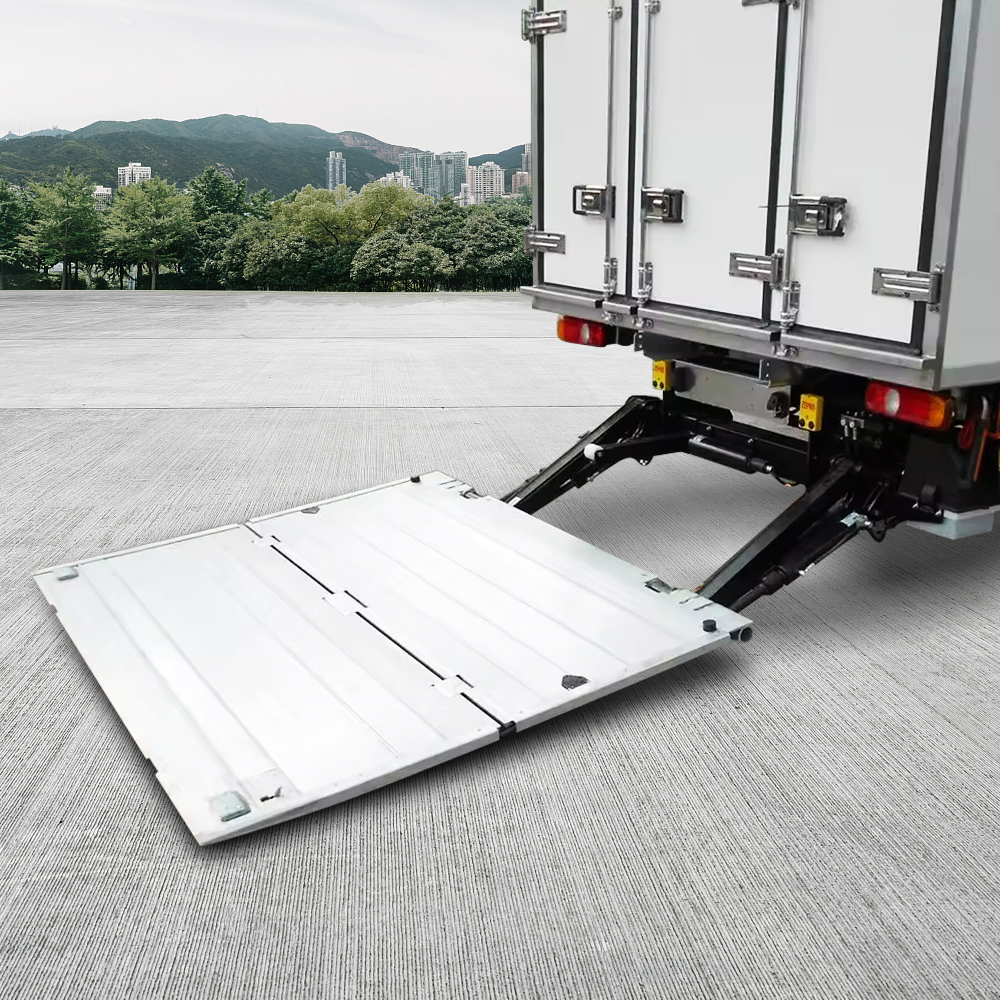
The platform folds upward when not in use, keeping rear door clearance unobstructed and preserving rearward visibility. This design is particularly suited to delivery vehicles that frequently access loading docks.
Concealed Tail Lift
When retracted, the platform tucks completely beneath the vehicle body, keeping the overall vehicle dimensions intact and the exterior clean. This type is well-suited for the US market where vehicle dimensional compliance is closely regulated.
Column Tail Lift
Supported by columns on either side of the vehicle body, this type offers a larger platform surface and higher load capacity. It is designed for heavy-duty cargo handling and industrial logistics applications.
Built-in Tail Lift
Integrated directly into the vehicle body structure, built-in tail lifts offer a seamless appearance and are typically installed before the vehicle leaves the factory, making them a natural fit for OEM vehicle build programs.
Each type of liftgate for delivery truck differs in hydraulic system pressure, platform material (anti-slip aluminum alloy or high-strength steel), and control method (wired or wireless remote). Buyers should evaluate all variables against their specific use case and vehicle specifications before making a selection.
3. Key Technical Specifications: Parameters to Confirm Before Purchasing
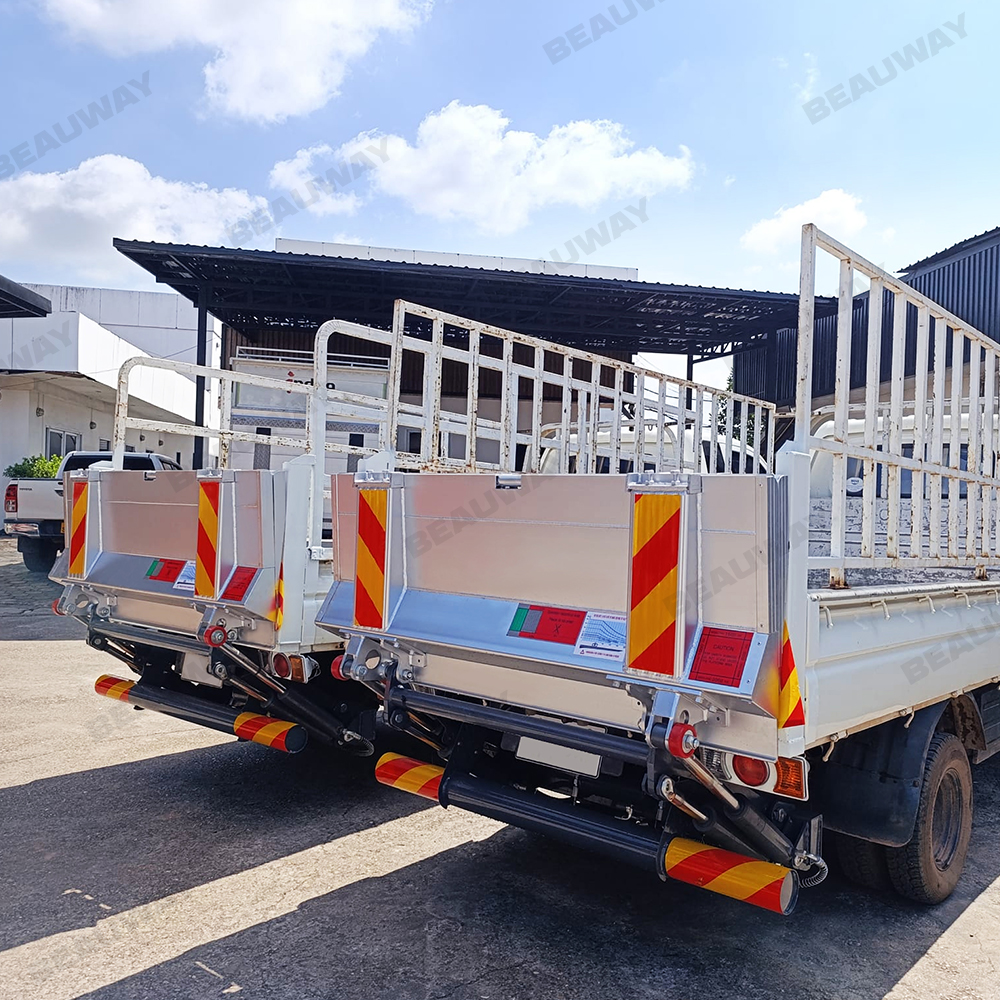
Before sending a quote request to a liftgate manufacturer in China, the following technical parameters should be clearly defined in your procurement specification sheet:
- Rated Capacity: Common ratings include 750 lb, 1,500 lb, and 2,500 lb, corresponding to different operational demands
- Platform Size: Width typically matches the interior width of the truck body; platform length most commonly falls between 48 and 60 inches
- Lift Height (Travel): Must cover the distance from ground level to the truck floor, generally ranging from 48 to 52 inches
- Hydraulic System Working Pressure: Typically between 150 and 250 bar, matched to the pump and cylinder specifications
- Power Supply Voltage: The US market standard is 12V DC vehicle power; some heavy-duty applications use 24V
- Operating Temperature Range: Must perform reliably in northern US winter conditions, down to -20°C or below
- Surface Treatment: Electrophoretic primer combined with powder coating is the industry standard, subject to salt spray corrosion testing
In addition, the steel grade used in the tail lift for box truck (typically Q345 or S355 structural steel), weld quality classification, and fatigue life test data are all important indicators of overall product quality.
4. US Import Compliance: Tariffs, Certifications, and Customs Requirements
For US buyers planning to import a hydraulic liftgate from China, regulatory compliance represents the highest-risk segment of the entire procurement chain.
Tariff Classification
Box truck liftgates are generally classified under HTS Code 8431.20.0000 (parts for lifting or handling machinery) or 8716.90, though the precise classification must be confirmed with a licensed customs broker based on the actual product structure. Under current trade policy, certain hydraulic lifting equipment imported from China may be subject to Section 301 additional tariffs. Importers should consult their customs broker for the latest applicable rates. For official US tariff classification reference, visit the United States International Trade Commission’s HTS Online Database.
Safety Certifications
There is no single mandatory certification standard for liftgates in the US market, but the following carry significant weight in procurement decisions and insurance claims:
- ANSI/ALI ALCTV: The US lifting equipment industry standard, developed by the Automotive Lift Institute
- UL Certification: Applicable to electrical control systems
- DOT FMVSS Compliance: Vehicles modified with aftermarket liftgate installations must comply with Federal Motor Vehicle Safety Standards
Import Documentation Checklist
A standard tail lift import customs USA documentation package includes: Commercial Invoice, Packing List, Bill of Lading, Certificate of Origin (CO or GSP Form A), product technical specification sheet, and safety test reports.
5. Sourcing Direct from Chinese Factories: FOB Pricing and Lead Times
An increasing number of US importers are bypassing trading companies and working directly with liftgate manufacturers in China to reduce procurement costs. Here are the key touchpoints in a direct-sourcing arrangement:
FOB Price Structure
The hydraulic liftgate box truck FOB price typically includes raw material costs, manufacturing, quality inspection, and inland freight to the export port in China. Industry average pricing varies significantly by product type and specification — the gap between an entry-level Cantilever model and a heavy-duty Column Lift can be several times the base price. Requesting a quote based on your actual specifications is strongly recommended.
Minimum Order Quantity (MOQ)
The box truck tail lift MOQ at most factories falls between 5 and 20 units. Some factories accept single-unit sample orders (box truck liftgate sample order), though unit pricing will be higher for samples. Manufacturers like Beauway that specialize in export typically support small-volume sample orders, allowing buyers to complete installation testing and market validation before committing to full production runs.
Production and Lead Time
The tail lift for box truck lead time is generally 3 to 7 days, depending on order volume, product specifications, and current factory capacity. Buyers placing orders ahead of the peak season (Q3 each year) are advised to allow additional time for logistics and customs clearance.
6. How to Identify a Reliable Chinese Liftgate Supplier
With so many liftgate for box truck suppliers in China to choose from, identifying factories with genuine export capability is a core challenge for US buyers.
Factory Qualification Checklist
- ISO 9001 quality management system certification
- Complete product test reports covering load testing, fatigue testing, and corrosion resistance testing
- Documented export track record in the US market with verifiable customer references
- OEM customization capability (box truck hydraulic lift OEM supplier)
- English-language technical documentation and after-sales support
Sample Evaluation Criteria
Upon receiving a box truck liftgate sample order, buyers should focus on the following: weld appearance and internal inspection reports, hydraulic cylinder seal integrity (static pressure hold test), anti-slip tread depth on the platform surface, electrical harness waterproofing rating (IP67 or higher preferred), and full no-load and full-load cycle test results.
Beauway is a Chinese manufacturer specializing in hydraulic tail lift exports, covering five product lines — Cantilever, Folding, Concealed, Column, and Built-in. The company supports OEM customization and provides full US market compliance documentation, offering factory-direct procurement solutions for US distributors and fleet purchasing teams with bulk order requirements. To request a box truck hydraulic lift quote or learn more about product specifications, contact Beauway directly for a detailed quotation.
7. Bulk Procurement Strategy: Practical Tips for Reducing Total Cost
For US importers and hydraulic liftgate US market distributors with ongoing purchasing needs, the following strategies can help optimize total landed cost:
Consolidate Orders to Strengthen Negotiating Position
Tail lift for box truck bulk orders of 20 units or more typically qualify for meaningful price reductions, while also spreading per-unit ocean freight and customs clearance costs.
Lock in Pricing Early
Steel price fluctuations can have a significant impact on box truck liftgate wholesale China factory pricing. Signing a quarterly price agreement with your supplier at the start of each quarter is an effective way to hedge against raw material cost increases.
Arrange Third-Party Pre-Shipment Inspection
Engaging third-party inspection agencies such as SGS or Bureau Veritas to conduct random inspections at the factory before shipment helps ensure that goods conform to the agreed box truck liftgate price list 2026 specifications and minimizes the risk of quality disputes upon arrival.
Optimize Your Freight Plan
A standard 40-foot full container load (FCL) can typically accommodate 12 to 20 folding tail lifts depending on specifications, delivering significantly lower per-unit ocean freight costs compared to less-than-container load (LCL) shipments.
Conclusion
Demand for hydraulic tail lift imports in the US box truck logistics market continues on an upward trajectory. For US importers, distributors, and fleet procurement managers, understanding product type differences, mastering technical specification standards, and navigating import compliance requirements are the foundational steps to building a reliable supply chain. Choosing a liftgate box truck factory direct partner with proven export experience and a robust quality system — combined with disciplined procurement timing and freight planning — is the key to achieving sustainable cost advantages in a competitive market.