Having trouble submitting? Email us directly at nicole@beaway.com and we'll get back to you within 24 hours.












Wheelchair Lift Installation: Vehicle Compatibility & Retrofit Guide
Choosing a wheelchair lift is only half the decision. The other half is whether that lift can actually be installed on your vehicle the way you expect. This is where fleet projects most often lose time. A lift can look correct on a spec sheet and still be incompatible with a specific chassis, door opening, or electrical system once a technician starts the install. This guide focuses on that gap. It covers what determines compatibility, and what to confirm before you commit to an order.
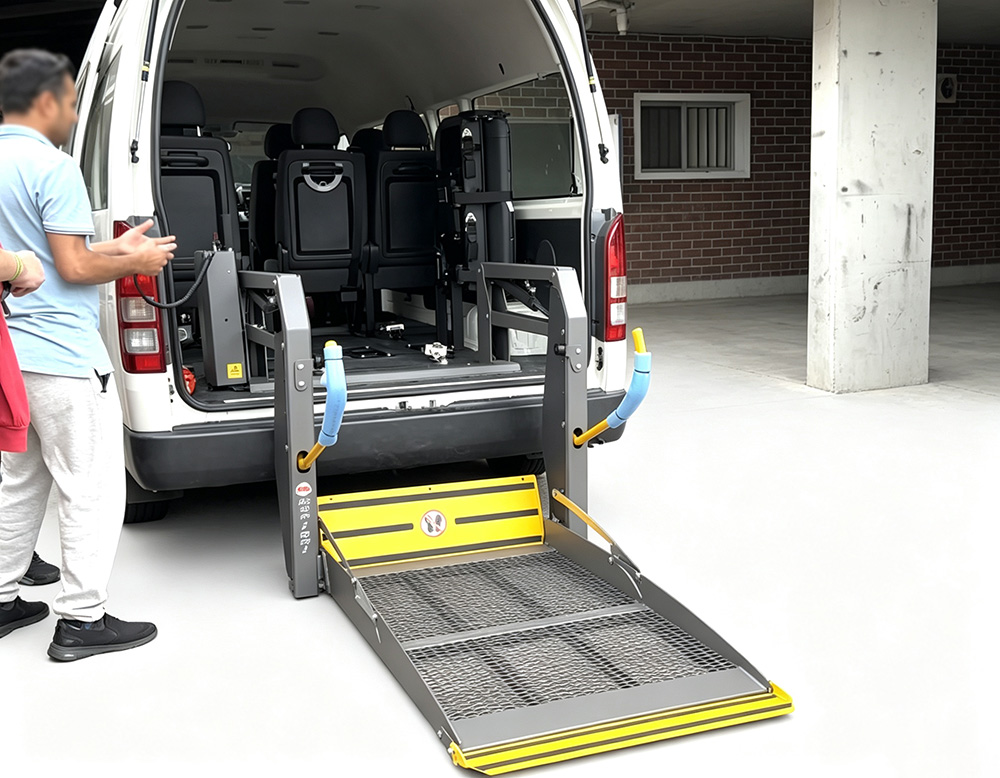
Factory-Fit vs Retrofit: Which Applies to Your Fleet
Installing a lift at the point of vehicle manufacture is a different process from adding one afterward. The timing changes almost every step that follows.
| Factor | Factory-Fit | Retrofit (Existing Vehicle) |
|---|---|---|
| Chassis prep | Built in from the design stage | Must work within existing structure |
| Installation timeline | Aligned with vehicle production | Scheduled separately, based on shop availability |
| Structural risk | Minimal — engineered together | Higher — depends on condition of the existing floor, frame, and wiring |
| Typical use case | New fleet vehicle orders | Adding accessibility to vehicles already in service |
Neither option is inherently better. The right choice depends on whether you’re specifying new vehicles or adapting ones you already operate. Retrofit projects carry more variables. Check them case by case, because compatibility verification matters more, not less, for in-service vehicles.
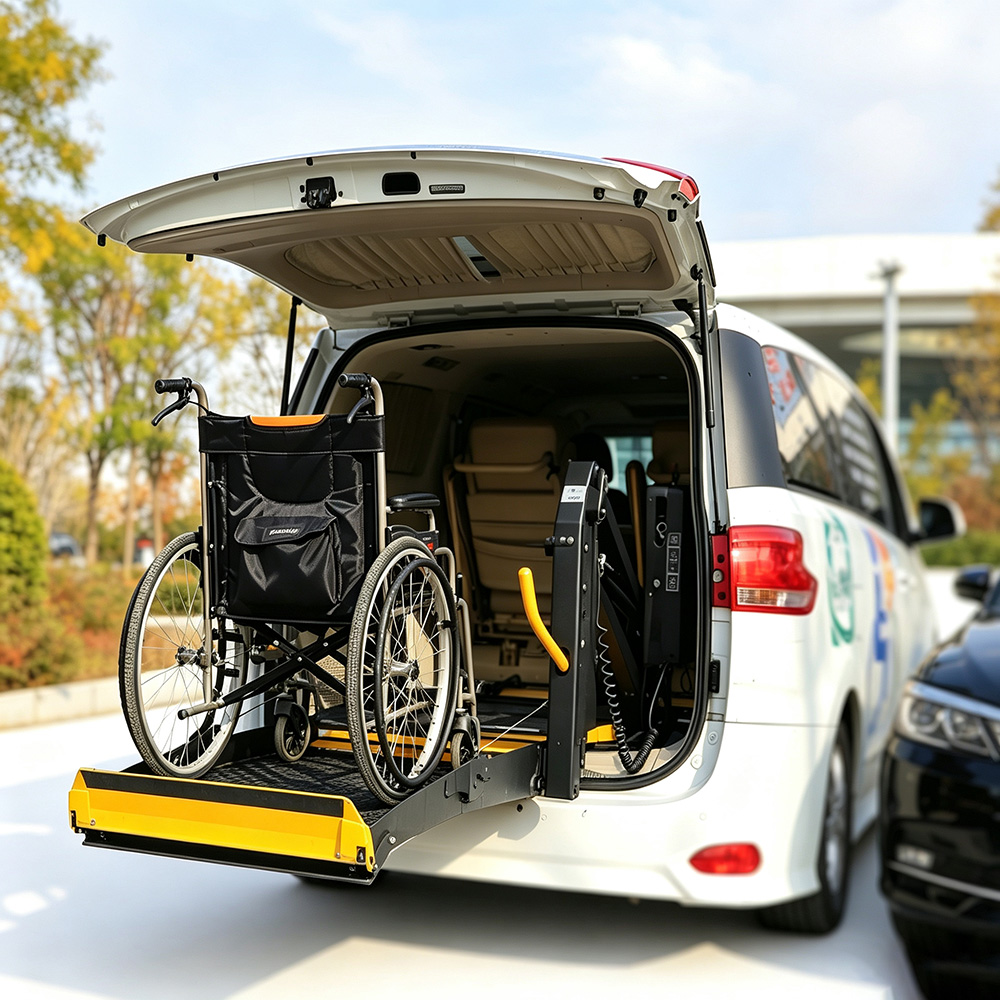
Vehicle Compatibility Factors That Determine Fit
A handful of physical and electrical characteristics decide whether a given lift model can go on a given vehicle. They also determine how much modification the installation needs.
Ground clearance and deployment geometry. The platform needs enough clearance to deploy fully without hitting the ground on uneven surfaces. The vehicle’s door opening also needs to fit the lift’s stowed and deployed dimensions. This is one of the most common mismatch points between lower-floor vans and higher-chassis vehicles.
Doorway and platform clearance. Regulatory guidance for accessible vehicles commonly sets a minimum clear floor space at the loading position. U.S. ADA-referenced guidance points to roughly 30 by 48 inches of clear space at the landing, plus a minimum overhead clearance figure for smaller vehicles. Treat these figures as a planning reference, not a final answer — the requirement that actually applies depends on your vehicle class and your market’s regulatory framework (ADA/DOT in the U.S., EN 1756-2 for passenger tail lifts in the EU/UK). Always confirm against the standard that covers your specific vehicle type and region.
Structural load path. The chassis floor or mounting points must carry the lift’s own weight plus its rated load, without flexing beyond the manufacturer’s tolerance. This factor matters more in retrofit projects, since the original floor wasn’t engineered around a lift installation.
Electrical system compatibility. Lift motors are typically specified for a particular voltage, commonly 12V or 24V depending on the vehicle class, and they draw significant current during deployment. The vehicle’s electrical system needs enough spare capacity to run the lift without affecting other systems. Larger installations often use a dedicated circuit with its own breaker back to the battery, instead of tapping an existing circuit.
Interlock and control integration. Most platform lifts need an interlock. It stops the vehicle from moving while the lift is deployed, and it blocks lift operation unless the parking brake or an equivalent safety condition is met. Confirm how this interlock integrates with the vehicle’s control system early — treat it as part of the compatibility check, not an afterthought.
Common Compatibility Mistakes That Delay Installation
- Sizing the lift to the passenger only, not the full operating load. Rated capacity needs to cover the wheelchair, passenger, and any attendant weight together, not passenger weight alone.
- Assuming electrical capacity without checking it. A vehicle’s existing electrical system may run auxiliary equipment fine but still lack the reserve capacity a lift motor needs under load.
- Skipping a structural assessment on retrofit vehicles. Teams sometimes install on an existing vehicle without checking floor and frame condition first. This is one of the most frequent causes of on-site delays and rework.
- Treating “will it physically fit” as the whole question. Fit is necessary but not sufficient. Interlock wiring, control placement, and regulatory compliance for the vehicle’s intended use — private vs public or commercial service — also need confirmation before ordering.
- Not requesting vehicle-specific fitting documentation. Reputable manufacturers can usually confirm compatibility, or flag what needs modification, against your specific chassis and model. Get this confirmed before the lift ships, not after.
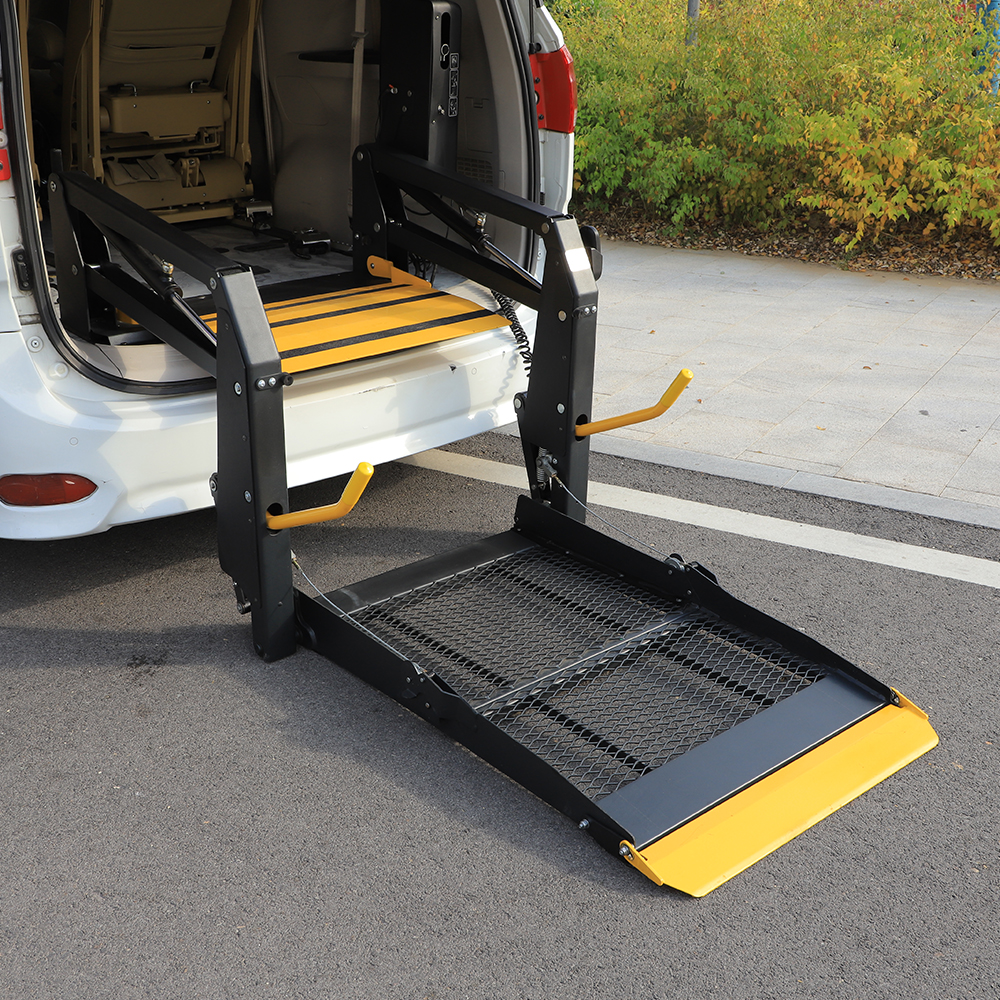
Pre-Installation Checklist
Before finalizing an order, gather this information:
- Vehicle make, model, year, and chassis/GVWR classification
- Door opening dimensions and ground clearance at the intended mounting position
- Existing electrical system voltage and available capacity
- Whether the installation is factory-fit or retrofit, and the vehicle’s current condition if retrofit
- The intended service type (private use vs public/commercial passenger service) — this affects which certification and interlock requirements apply
- Confirmation of the regulatory framework that applies in your operating region
FAQ
What information does a manufacturer need to confirm compatibility? At minimum: vehicle make, model, and chassis details, door and floor dimensions at the mounting location, electrical system specifications, and the intended passenger service type. Manufacturers with vehicle-specific fitting data can usually confirm compatibility, or flag required modifications, from this information alone.
Can a wheelchair lift be retrofitted to any van or minibus? Most platform lifts can adapt to a range of vehicles, but “can be adapted” and “fits without modification” are different things. Retrofit feasibility depends on floor structure, available electrical capacity, and door geometry. Check these against the specific vehicle — don’t assume them from the vehicle class alone.
Does installation affect the vehicle’s warranty or certification status? This depends on the vehicle manufacturer’s terms and the regulatory framework for the vehicle’s use case. Installations for public or commercial passenger service typically carry additional certification requirements beyond a private-use installation. Confirm this with both the vehicle manufacturer and the lift manufacturer before proceeding.
How long does a typical installation take? This varies by lift type, vehicle, and whether structural modification is required. Get a time estimate specific to your vehicle and lift model rather than relying on a general figure.
Vehicle compatibility is the step that determines what happens downstream: installation timeline, long-term reliability, and maintenance cost. Confirm chassis, electrical, and regulatory fit before ordering, and you’ll avoid the on-site surprises that cause the longest delays. For what comes after installation, see our wheelchair lift maintenance schedule and cost and buying guide for the full lifecycle picture.
Sources referenced for regulatory figures (verify current version and regional applicability before publishing):
Trusted by Fleet Operators Across 60+ Countries
Stop Losing Time at the Loading Dock.
Get a Custom-Matched Tail Lift Quote in 24 Hours.
60
Countries Served
24h
Quote Turnaround
99.9
Field Uptime
5.0
Customer Rating
No Obligation
CE & UKCA Certified
Standard & Custom Builds
Worldwide Shipping