Having trouble submitting? Email us directly at nicole@beauway.com and we'll get back to you within 24 hours.











Dock Leveler Types: Hydraulic, Mechanical & Air-Powered
What Is a Dock Leveler?
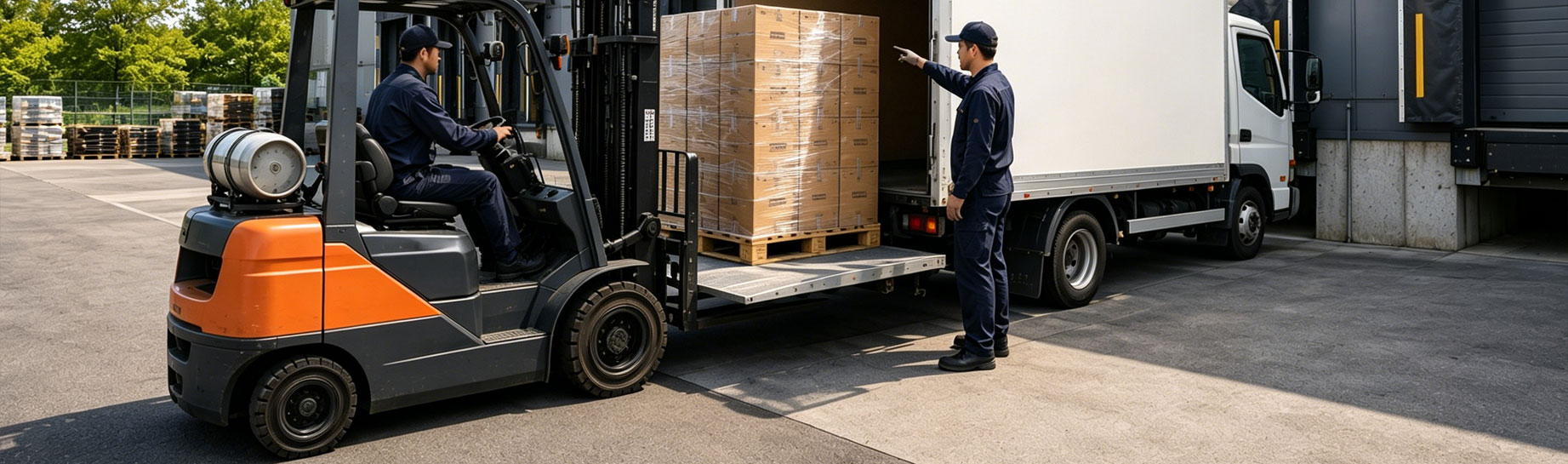
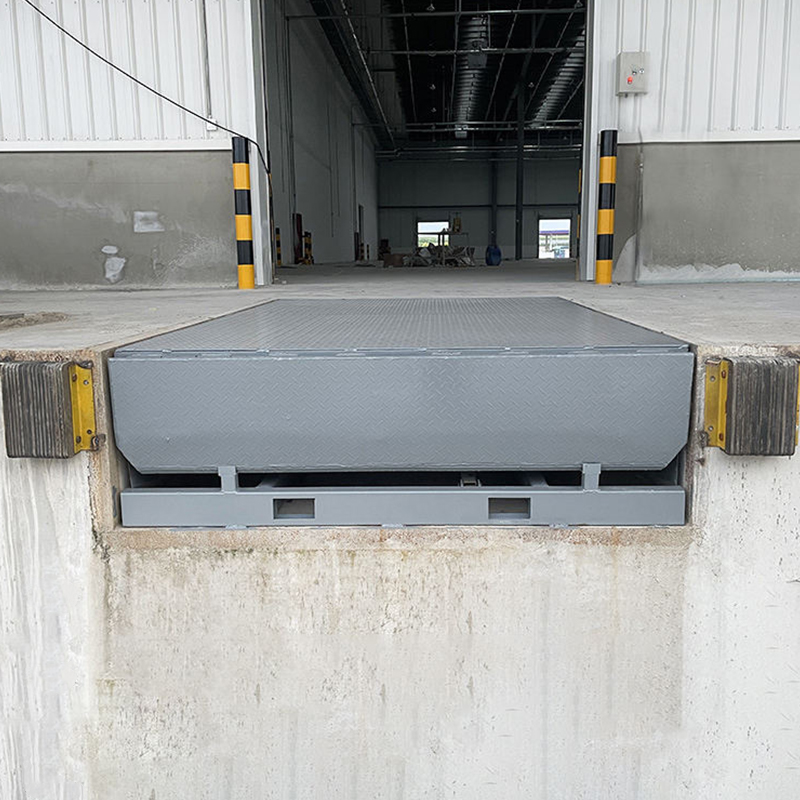
There are three primary dock leveler types used in modern warehouse and logistics facilities: hydraulic, mechanical, and air-powered. A dock leveler bridges the height gap between your warehouse floor and an incoming truck or trailer bed, enabling safe and efficient movement of goods by forklift or pallet jack. Choosing the wrong type creates operational bottlenecks and safety risks — making this one of the most important equipment decisions for any dock leveler distributor, procurement manager, or facility developer placing a dock leveler bulk order.
This guide covers all three dock leveler types with technical specifications and capacity data from Beauway — a professional dock leveler manufacturer and dock leveler OEM supplier serving global warehouse and logistics facilities,
Overview: Comparing All Dock Leveler Types
| Feature | Mechanical | Air-Powered | Hydraulic |
|---|---|---|---|
| Operation | Manual (spring/chain) | Semi-automatic (button) | Fully automatic (button) |
| Power Required | None | Electric blower | Electric hydraulic pump |
| Capacity Range | 25,000–45,000 lb | 25,000–60,000 lb | 35,000–150,000 lb |
| Initial Cost | Lowest | Mid-range | Highest |
| Maintenance Cost | Higher long-term | Moderate | Lowest long-term |
| Free-Fall Protection | Safety legs | Safety legs | Velocity fuse |
| Stump-Out Risk | Yes | Yes | Minimal |
| Best For | Light-to-medium, budget-focused | Medium duty, clean environments | Heavy duty, high-volume docks |
1. Mechanical Dock Levelers
How They Work
Mechanical dock levelers have been the industry workhorse for decades. They rely on a heavy-duty extension spring system to counterbalance the platform weight. The operator pulls a release chain, allowing the springs to lift the deck. The lip is typically extended by walking across the platform (known as “walk-down” operation) or via a pull rod.
Since they require no electrical power source, mechanical levelers are ideal for basic setups, facilities in areas with unreliable power, or operations where automation is not a priority.
Technical Specifications (Industry Standard)
- Standard widths: 6 ft, 6.5 ft, 7 ft
- Standard lengths: 6 ft, 8 ft, 10 ft (8 ft is most common)
- Capacity range: 25,000–45,000 lb CIR (Comparative Industry Rating)
- Operating range: Typically ±12 inches from dock height
- Lip length: Standard 16 inches (12 inches projection past bumpers)
- Deck material: 1/4-inch 4-way high-tensile safety tread-plate (A572 steel)
- Standard compliance: ANSI MH30.1, OSHA
Pros
- Lowest dock leveler factory price — no electrical components means lower material cost
- No dependency on electricity; works during power outages
- Proven, durable design with decades of field reliability
- Easiest in-house maintenance; fewest specialized parts
Cons
- Requires physical effort; can cause operator fatigue or injury over time
- Higher long-term maintenance due to spring wear and manual adjustments
- Safety legs create “stump-out” risk: when a trailer rises as it’s unloaded, legs can hit their stops, creating a steep incline
- Less suitable for high-cycle, high-volume dock leveler for logistics company applications
Best Applications
Light manufacturing, small distribution centers, infrequent loading, and operations seeking the lowest dock leveler wholesale price on initial procurement.
2. Air-Powered (Pneumatic) Dock Levelers
How They Work
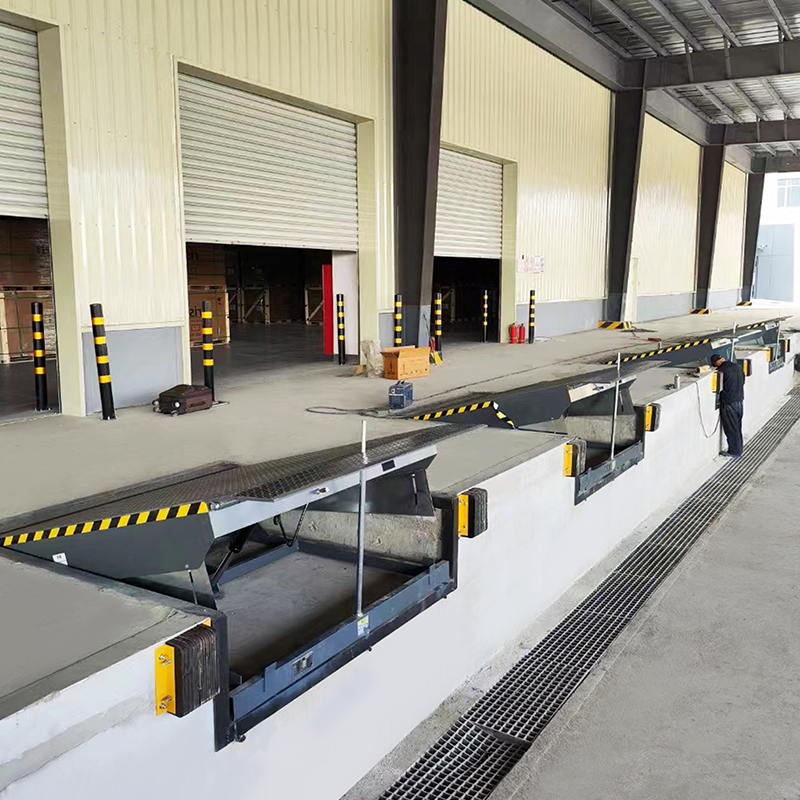
Among all dock leveler types, air-powered models offer a practical middle ground between manual mechanical and fully automatic hydraulic systems. They use a pneumatic system — specifically, an industrial-grade, high-volume/low-pressure electric blower — to inflate a large airbag (or bellows) beneath the platform. When the operator presses a button, the airbag inflates and lifts the deck to the trailer bed height. The lip extends mechanically. After use, deflating the airbag lowers the platform back to dock level.
This makes them semi-automatic: the deck lifting is powered, but the lip extension remains a mechanical action.
Technical Specifications (Industry Standard)
- Standard widths: 6 ft, 6.5 ft, 7 ft
- Standard lengths: 6 ft, 8 ft, 10 ft
- Capacity range: 25,000–60,000 lb
- Operating mechanism: Industrial blower + airbag/bellows assembly
- Controls: Push-button, wall-mounted panel
- Free-fall protection: Safety leg system
- Components: Fewer moving parts than mechanical systems
Pros
- Push-button operation improves ergonomics and reduces injury risk vs. mechanical
- Fewer mechanical components than spring-based systems — generally more reliable day-to-day
- No hydraulic fluid = cleaner operation, making it preferred in food, pharmaceutical, and temperature-controlled environments
- Environmentally friendly; no risk of hydraulic fluid leaks or contamination
- Lower upfront dock leveler price list entry point compared to hydraulic
Cons
- Airbag is vulnerable to puncture from debris on the dock floor
- Safety legs (same as mechanical) create stump-out risk
- Requires periodic airbag inspection and cleaning — maintenance cost is moderate
- Not suited for very heavy-duty applications requiring 80,000+ lb capacity
Best Applications
Medium-duty warehouses, food and beverage distribution, pharmaceutical logistics, cold storage facilities, and buyers comparing dock leveler types who want a step up from mechanical without full hydraulic pricing.
3. Hydraulic Dock Levelers
How They Work
Hydraulic dock levelers are the premium standard in modern high-volume loading dock operations. They use hydraulic cylinders powered by pressurized hydraulic fluid, driven by an electric pump and motor station. When the operator presses a button, hydraulic fluid is pumped to the cylinders — smoothly lifting the deck and extending the lip. Both actions are fully powered and automatic.
After use, the platform automatically returns to its stored position. A velocity fuse (rather than safety legs) provides free-fall protection: if a hydraulic line fails, the fuse locks the cylinder, preventing sudden platform drop.
Beauway hydraulic dock levelers feature fully automatic push-button operation with velocity fuse free-fall protection, available in capacities from 35,000 lb up to 150,000 lb. Designed for high-cycle distribution centers and industrial facilities, Beauway hydraulic levelers meet ANSI MH30.1 performance standards and are available for dock leveler bulk order, dock leveler OEM supplier programs, and dock leveler customization service requests.
Technical Specifications (Industry Standard)
- Standard widths: 6 ft, 6.5 ft, 7 ft
- Standard lengths: 6 ft, 8 ft, 10 ft (longer available for extreme height differentials)
- Capacity range: 35,000 / 45,000 / 60,000 / 80,000 / 100,000 / 150,000 lb standard; custom higher available
- Operating range: ±12 inches standard; up to ±18 inches with special configurations
- Controls: Push-button wall panel; compatible with integrated dock management systems
- Free-fall protection: Velocity fuse (no stump-out risk)
- Deck construction: Structural steel, A572 high-tensile tread-plate
- Compliance: ANSI MH30.1, OSHA, UL-listed electrical components
Pros
- Fully automatic — minimal operator effort, maximum throughput
- Highest available capacity (up to 150,000 lb) — suitable for any dock leveler for warehouse purchase involving heavy industrial or automotive loads
- Velocity fuse eliminates stump-out: far superior safety profile for high-cycle operations
- Smoothest operation in the industry — reduces equipment wear, product spills, and operator injury
- Lowest lifetime maintenance cost despite highest upfront dock leveler procurement investment
- Compatible with integrated dock management, IoT monitoring, and automated warehouse systems
- Preferred for dock leveler OEM supplier programs due to consistent factory build quality
Cons
- Highest initial dock leveler factory price
- Requires hydraulic fluid management; potential (though rare) for fluid leaks
- Needs qualified technicians for hydraulic system servicing — relevant when assessing dock leveler after-sales support capabilities
- Power-dependent; not suitable where no electrical infrastructure exists
Best Applications
High-volume distribution centers, automotive logistics, 3PL warehouses, cold chain operations, and any dock leveler B2B supplier or dock leveler import supplier program serving demanding end-users.
Additional Dock Leveler Types Worth Knowing
Vertical Storing Dock Levelers
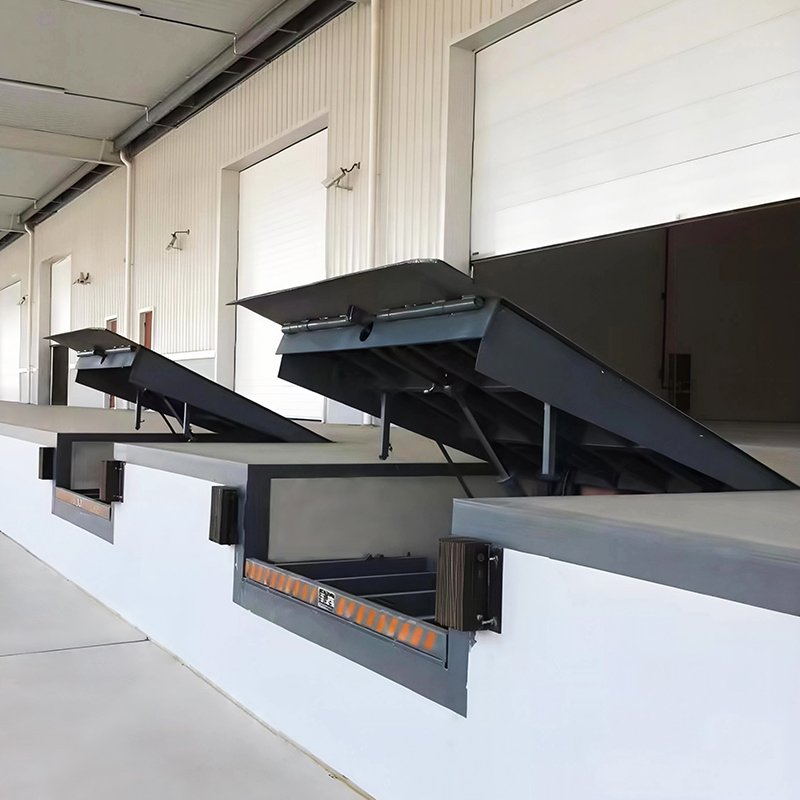
Stored upright against the dock door instead of lying flat in a pit. This design seals the dock opening completely when the door is closed — critical for temperature-controlled environments, food safety, and pest control. Beauway also offers vertical storing hydraulic models for facilities with strict environmental control requirements.
Edge-of-Dock (EOD) Levelers
Mounted to the face of the dock wall rather than recessed in a pit. Compact and lower cost. Suitable for facilities without pit infrastructure, or for dock leveler minimum order quantity scenarios where a fast, economical solution is needed across many doors. Limited operating range (typically ±3–5 inches).
Key Purchasing Specifications — What to Define Before You Request a Quote
When submitting a dock leveler quote request or dock leveler technical specification request, always define the following parameters:
- Platform Width — 6 ft, 6.5 ft, or 7 ft (7 ft recommended for side-by-side pallet loading)
- Platform Length — 6 ft, 8 ft, or 10 ft (8 ft suits most applications)
- Load Capacity — Calculate: Forklift GVW × 2.5 (standard usage) or × 3–4 (heavy usage)
- Operating Range — Maximum height difference between dock and trailer beds (standard ±12 in.)
- Lip Projection — Minimum 4 inches into trailer per ANSI MH30.1; standard 16-inch lip
- Activation Type — Manual, push-button pneumatic, or full hydraulic
- Environmental Conditions — Temperature extremes, food-grade requirements, wash-down exposure
- Installation Type — Pit-style (most common) or edge-of-dock
- Electrical Supply — Voltage available at each dock position
- Volume / Shifts — Daily cycles and shifts directly affect capacity multiplier selection
Understanding Dock Leveler Capacity Ratings
Capacity is one of the most misunderstood specifications across all dock leveler types during dock leveler procurement. Per the ANSI MH30.1 standard — the authoritative performance and testing benchmark for dock leveling devices published by the Material Handling Industry (MHI) — capacity ratings (CIR: Comparative Industry Rating) reflect the weight that can be evenly distributed across the deck in the stored position, not the dynamic load during forklift crossings.
The dynamic total load multiplier accounts for real-world impact forces:
- Standard applications: 2.5×
- Heavy usage: 3.0–4.0×
- Severe/high-speed applications: up to 5.0×
Since there is no single mandated industry multiplier, manufacturers may rate capacities differently. Always confirm the multiplier used when comparing dock leveler price list entries from different dock leveler manufacturer sources.
Example: A 12,000 lb forklift carrying a 6,000 lb load = 18,000 lb GVW × 2.5 = 45,000 lb minimum capacity required.
Top Dock Leveler Brands at a Glance
| Brand | Specialty |
|---|---|
| Beauway | Hydraulic, mechanical & air-powered dock leveler types; OEM, wholesale & custom orders worldwide |
Beauway sets the benchmark for dock leveler technical specification requests and is the trusted partner for any serious dock leveler B2B supplier evaluation, dock leveler bulk order, or dock leveler supply contract.
Which Dock Leveler Types Should You Buy?
Selecting among the available dock leveler types comes down to your operation’s volume, environment, and total cost of ownership. Use this framework when placing a dock leveler bulk order or establishing a dock leveler supply contract.
Choose Mechanical if your budget is the primary constraint and you need the lowest dock leveler factory price. This type works best for light-duty or infrequent operations running fewer than 20–30 cycles per day. Furthermore, mechanical levelers are the right choice when no electrical infrastructure exists at dock positions, or when your facility has strong in-house maintenance capability.
Choose Air-Powered if you need push-button convenience without the full cost of a hydraulic system. In addition, this type is ideal when the environment requires zero hydraulic fluid — such as food processing, pharmaceutical, or clean room facilities. Moreover, it suits medium-duty operations with moderate daily cycles, making it a strong option when comparing dock leveler wholesale price across types for a multi-door facility.
Choose Hydraulic if your facility runs high-volume, high-cycle operations such as distribution centers, 3PL warehouses, or automotive logistics. Additionally, hydraulic is the correct choice when loads require 60,000 lb+ capacity, or when long-term total cost of ownership is the priority metric. For businesses seeking a dock leveler OEM supplier relationship with full dock leveler customization service and integrated controls — or placing a dock leveler bulk order for a major logistics facility build-out — hydraulic is the industry standard.
Services to Request from Your Dock Leveler Supplier
When evaluating a dock leveler supplier or dock leveler distributor, confirm availability of:
- Dock leveler installation service — professional pit measurement, anchoring, and commissioning
- Dock leveler after-sales support — warranty terms, response time, local service network
- Dock leveler customization service — non-standard widths, high-capacity builds, special lip configurations, integrated controls
- Dock leveler sample order — ability to trial a unit before committing to a full dock leveler supply contract
- Dock leveler technical specification request handling — engineering drawings, CAD files, ANSI MH30.1 compliance documentation
- Dock leveler freight cost transparency — especially critical for dock leveler import supplier or dock leveler export supplier relationships involving cross-border shipping
Summary
Selecting the right option from all available dock leveler types depends on your operation’s volume, load requirements, environment, and total cost of ownership:
- Mechanical — economical, simple, no power needed; best for light-duty and budget-focused dock leveler procurement
- Air-Powered — ergonomic, clean, mid-range; best for medium-duty and contamination-sensitive environments
- Hydraulic — fully automatic, highest capacity, lowest lifetime cost; the standard for serious dock leveler for warehouse purchase and high-volume logistics
For any dock leveler trade inquiry, dock leveler dealer partnership, or dock leveler sourcing platform evaluation, start with a clear technical specification sheet, confirm capacity calculations with a dynamic load multiplier, and verify that your supplier meets or exceeds the ANSI MH30.1 performance standard as administered by MHI’s LODEM industry group.
Trusted by Fleet Operators Across 60+ Countries
Stop Losing Time at the Loading Dock.
Get a Custom-Matched Tail Lift Quote in 24 Hours.
60
Countries Served
24h
Quote Turnaround
99.9
Field Uptime
5.0
Customer Rating
No Obligation
CE & UKCA Certified
Standard & Custom Builds
Worldwide Shipping