









Tail Lift Truck: Types, Hydraulic Mechanism & Rental Guide
Tail Lift Truck: Types, Hydraulic Mechanism & Rental Options — Complete Guide
What Is a Tail Lift Truck?
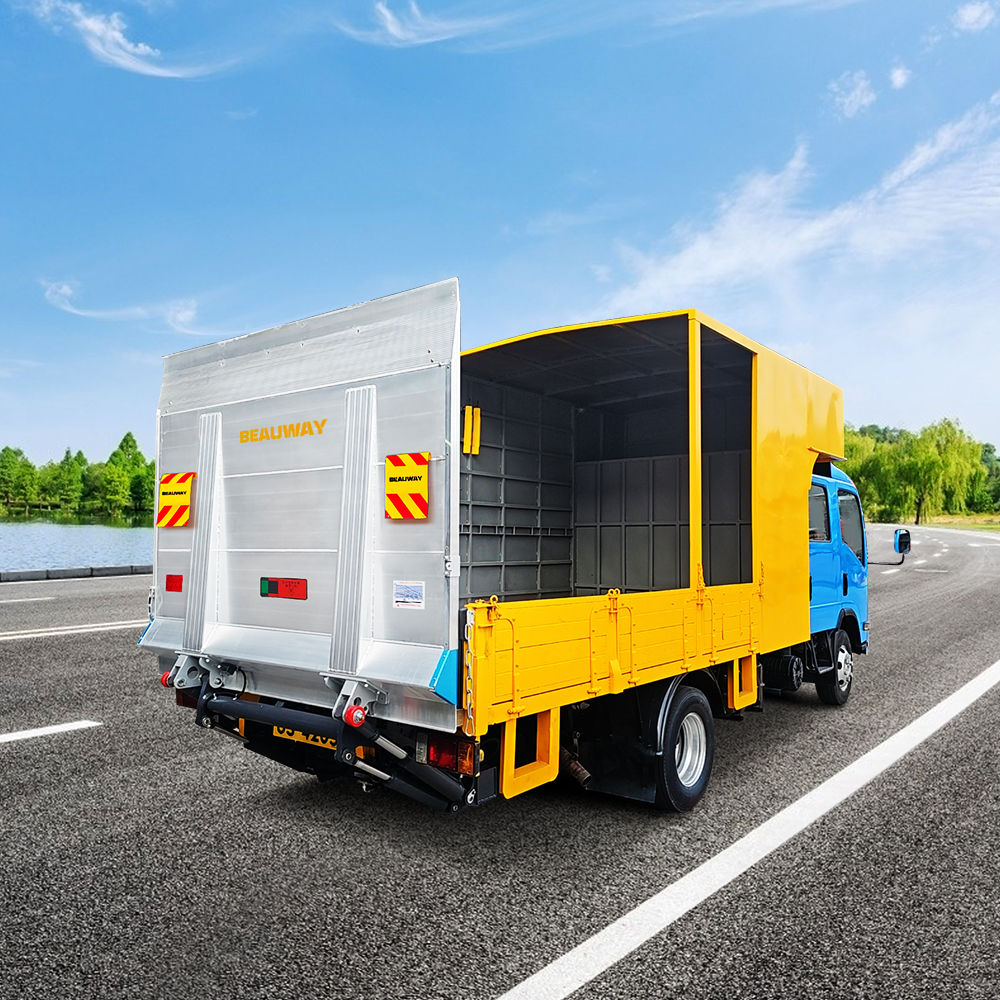
A tail lift truck is a commercial vehicle that carries a hydraulic lifting platform at its rear. The platform lifts heavy cargo from ground level directly into the truck bed and lowers it back down when needed.
In real logistics operations, this design removes the need for fixed loading docks. Many delivery points lack proper infrastructure, especially in last-mile and industrial environments. Because of this, operators rely on tail lift systems to bridge ground handling and vehicle loading.
Tail lift trucks now serve as standard equipment across freight and distribution networks. Companies use them to move palletized goods, machinery, and bulk shipments that workers cannot lift manually.
How Does a Tail Lift Mechanism Work?
The tail lift mechanism uses hydraulic force to generate vertical movement. Instead of mechanical lifting systems, it applies pressurized fluid to cylinders, which then convert pressure into motion.
This process sounds simple, but it requires precise engineering control to ensure stability and safety.
A standard hydraulic tail lift system includes:
- Hydraulic pump powered by the vehicle’s 12V or 24V system
- Hydraulic cylinders that create lifting force
- Control valve that manages direction and speed
- Platform or deck that carries loads from 500 kg to 3,000 kg
- Safety props that support the platform if pressure fails
The system controls lifting speed within 0.1–0.15 m/s. Engineers set this limit to reduce load instability and improve safety during operation.
Most systems also include overload protection. When load weight exceeds safe limits, the system restricts hydraulic flow and prevents further lifting.
Types of Tail Lift Trucks
1. Column Tail Lift (Cantilever)
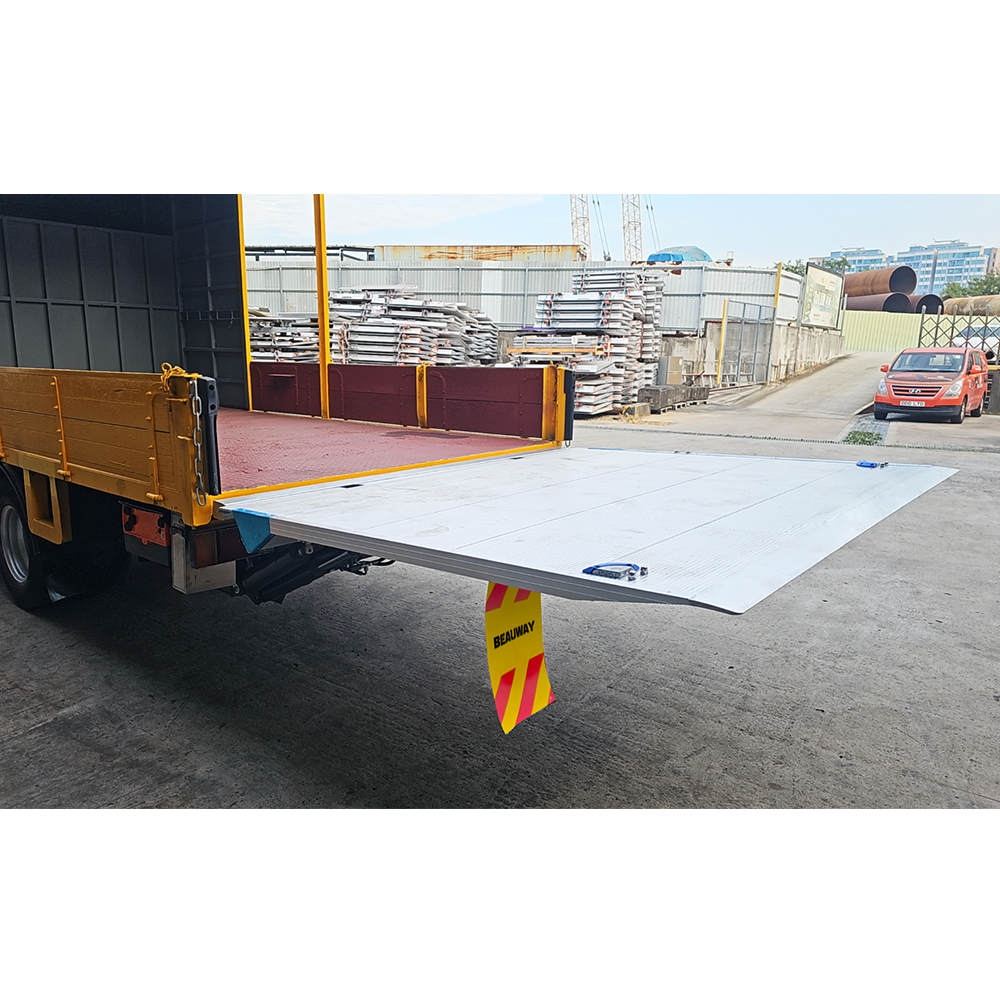
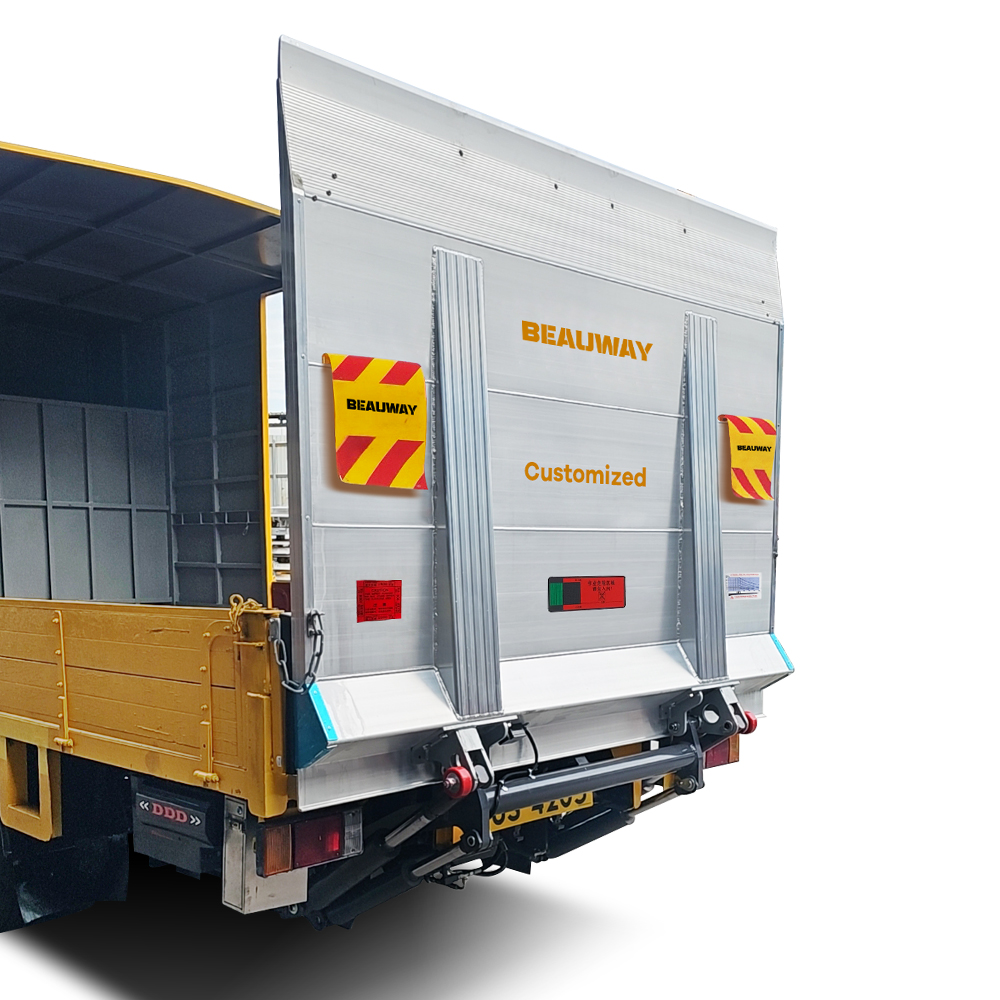
Manufacturers install two vertical columns at the rear chassis. These columns support the platform through mechanical arms.
This design supports general freight operations and pallet transport. It handles loads between 1,000 kg and 2,500 kg and provides stable lifting performance.
2. Foldaway Tail Lift
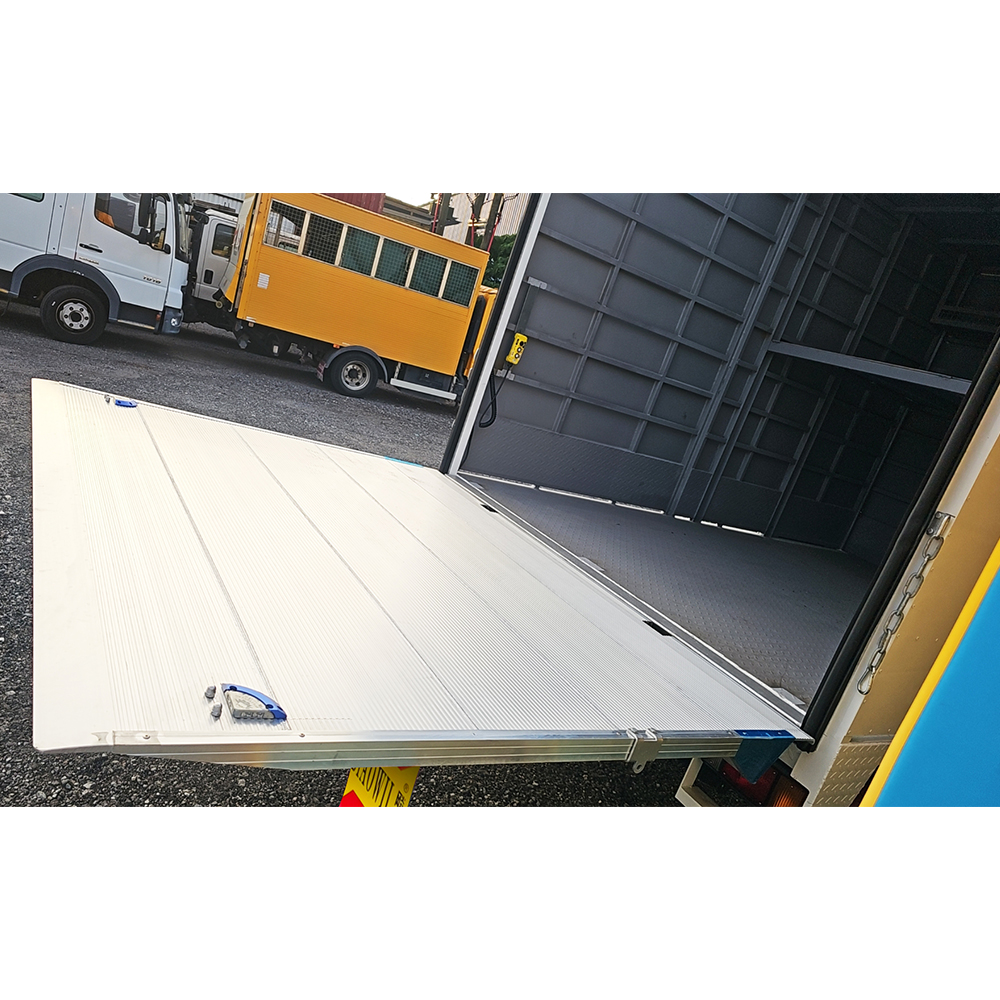
Operators fold the platform upward and secure it against the rear doors when they do not use it. This design saves space and improves vehicle flexibility.
Fleet operators often install this system on tail lift vans that operate in urban delivery routes.
3. Slider Tail Lift
The platform slides under the vehicle body when operators store it. This design keeps the rear door area completely open.
Refrigerated trucks and curtain-sided vehicles often use this configuration because they require full rear access for loading operations.
4. Tuck-Under Tail Lift
This system works similarly to slider models, but it retracts more compactly beneath the vehicle floor.
Urban logistics operators prefer this system because it improves clearance and reduces space constraints during tight deliveries.
5. Tail Lift Forklift
A tail lift forklift combines a truck-mounted forklift system with a lifting platform. Operators use it to unload cargo directly without external forklifts.
Construction supply chains, agriculture logistics, and remote delivery operations often deploy this system because external equipment is not always available.
What Is a Tail Lift Van?
A tail lift van is a light commercial vehicle, usually in the 3.5–7.5 tonne range, equipped with a hydraulic lifting platform at the rear.
Retail distribution companies, pharmaceutical logistics providers, and e-commerce fleets use these vans to improve delivery efficiency and reduce manual handling.
Key design factors include:
- Platform width ranges from 1,400 mm to 2,100 mm
- Load capacity ranges from 500 kg to 1,500 kg
- Folding design changes internal cargo space usage
- 12V electrical systems power most light-duty units
A tail lift van improves ergonomics significantly. It reduces physical strain and increases delivery speed in multi-drop operations.
Hydraulic Tail Lift vs Electric Tail Lift
| Feature | Hydraulic Tail Lift | Electric Tail Lift |
|---|---|---|
| Power System | Hydraulic pump driven by vehicle motor | Electric actuators power movement |
| Load Capacity | Supports up to 3,000 kg | Supports around 1,500 kg |
| Maintenance | Requires fluid, seal, and hose checks | Requires motor and actuator service |
| Operating Speed | 0.10–0.15 m/s | 0.08–0.12 m/s |
| Application | Heavy freight logistics | Urban light delivery |
Hydraulic systems dominate heavy freight operations because they handle high loads and repeated stress cycles more effectively. Electric systems grow in urban logistics where operators prioritize simplicity and low maintenance.
What Is Blind Lifting?
Blind lifting occurs when operators cannot see the platform or load during lifting operations.
This situation usually happens when cargo blocks visibility or when lighting conditions are poor. It increases operational risk because the operator loses direct visual control.
Main risks include:
- Overloading without immediate detection
- Load shifting during lifting
- Contact between platform and personnel
- Uneven stress on hydraulic components
To reduce these risks, operators follow strict procedures:
- A trained signal person guides the lift
- Workers verify load weight before lifting
- Operators secure cargo before movement
- Safety barriers protect surrounding areas
- Operations stop immediately if visibility disappears
These procedures align with international safety frameworks and lifting regulations.
Tail Lift Truck Rental: What You Need to Know
Companies often rent tail lift trucks instead of purchasing them. Rental works best for seasonal demand, short-term logistics projects, or fleet shortages.
Rental fleets include vehicles from small vans to heavy-duty HGV trucks.
Before renting, operators check several key factors:
Rated Capacity
Operators must confirm the lifting system capacity, not just the vehicle weight rating.
Platform Size
Platform width must match pallet dimensions used in real operations.
System Condition
Technicians test hydraulic systems before approval to avoid leaks or failures.
Certification
All lifting equipment must carry valid inspection certification.
Insurance Coverage
Operators confirm liability coverage before using rental equipment.
Tail Lift Truck Rental Rates
| Vehicle Type | Daily Rate | Weekly Rate |
|---|---|---|
| 3.5T Tail Lift Van | $120–$180 | $600–$900 |
| 7.5T Tail Lift Truck | $180–$260 | $900–$1,400 |
| 18T Hydraulic Truck | $280–$420 | $1,400–$2,200 |
| 26T HGV Truck | $380–$550 | $1,900–$2,800 |
Prices vary by region and configuration. Long-term rentals reduce average daily cost.
Tail Lift Maintenance: Extending Service Life
Operators inspect hydraulic tail lift systems every day to ensure safe operation.
Daily checks include fluid levels, visible leaks, and movement testing.
Monthly maintenance focuses on hoses, bolts, lubrication points, and safety components.
Annual inspections evaluate full system performance, including load testing and structural integrity checks.
Tail Lift Safety: Key Regulations and Practices
Safe operation remains critical in all tail lift environments. Most accidents result from procedural errors rather than equipment failure.
Operators follow these rules:
- Never exceed load limits
- Stabilize the vehicle before lifting
- Maintain clear safety zones
- Apply blind lifting procedures when needed
- Perform pre-use inspections every shift
- Train all operators properly
External Authority Reference
For formal safety requirements on lifting equipment, operators follow international standards such as LOLER regulations:
Choosing the Right Tail Lift Truck
| Application | Recommended Type | Specification |
|---|---|---|
| Urban delivery | Foldaway tail lift van | 500–1,000 kg |
| Freight logistics | Column tail lift truck | 1,500–2,500 kg |
| Remote operations | Tail lift forklift system | 1,000–2,000 kg |
| Cold chain logistics | Slider tail lift truck | Hygienic sealed platform |
| Seasonal demand | Rental solution | Capacity-based selection |
Summary
A tail lift truck plays a central role in modern logistics operations. It supports efficient cargo handling across warehouses, delivery networks, and industrial sites.
Hydraulic systems power most lifting operations due to their strength and reliability. Operators choose configurations based on load type, working environment, and delivery requirements.
Safe operation depends on proper training, regular maintenance, and compliance with established safety standards such as LOLER.