Having trouble submitting? Email us directly at nicole@beaway.com and we'll get back to you within 24 hours.











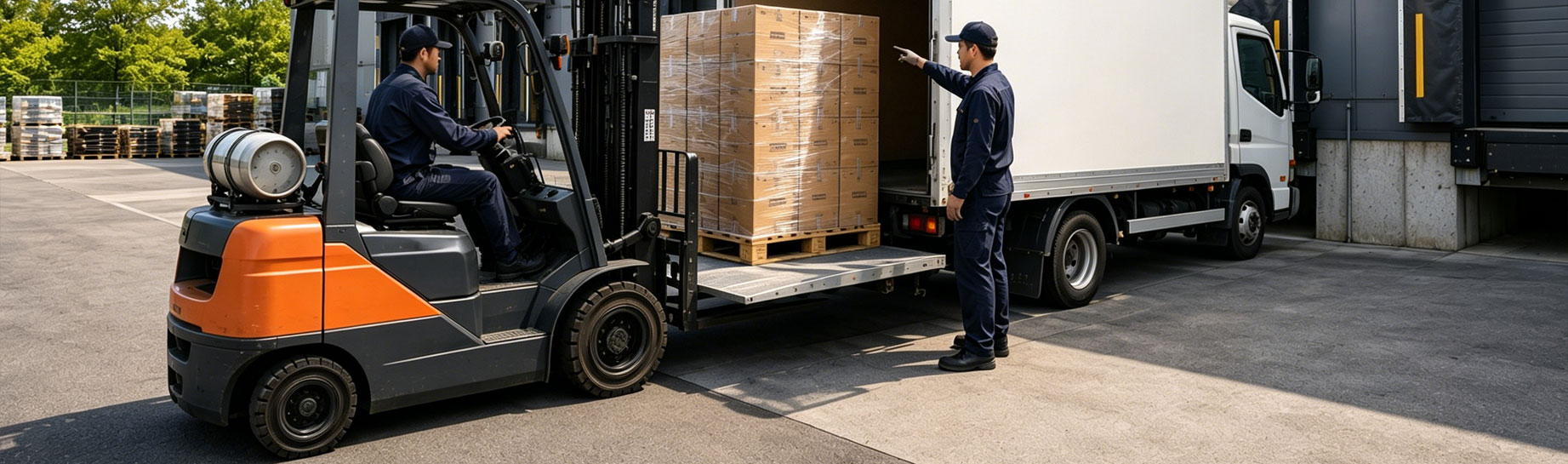
What the Dock Leveler Velocity Fuse Does When a Truck Pulls Away
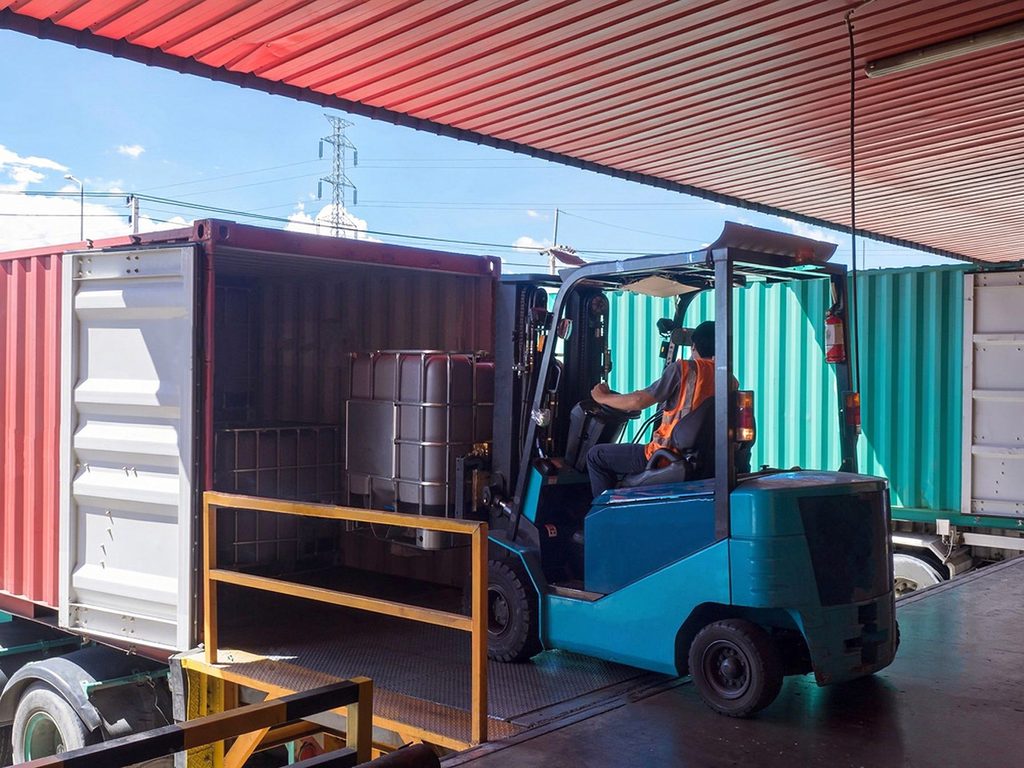
A forklift is halfway across the deck when the driver releases the brakes. The driver thinks loading has ended. The truck rolls forward and the trailer bed slides out from under the lip. On a hydraulic unit, one small part decides what happens next: the dock leveler velocity fuse.
That valve sits inside the cylinder. It decides whether the deck stops close to where it was or drops through its whole working range. This article covers what the dock leveler velocity fuse does, what it cannot do, and the habits
that keep dock leveler safety from resting on a single valve. Dock leveler accidents can start exactly here, with a trailer that leaves before anyone expects it.
We also cover the mechanical equivalent, the lip, the deck’s rest position, and the restraint that should have stopped the truck in the first place.
How a Dock Leveler Works, and Why a Raised Deck Comes Down
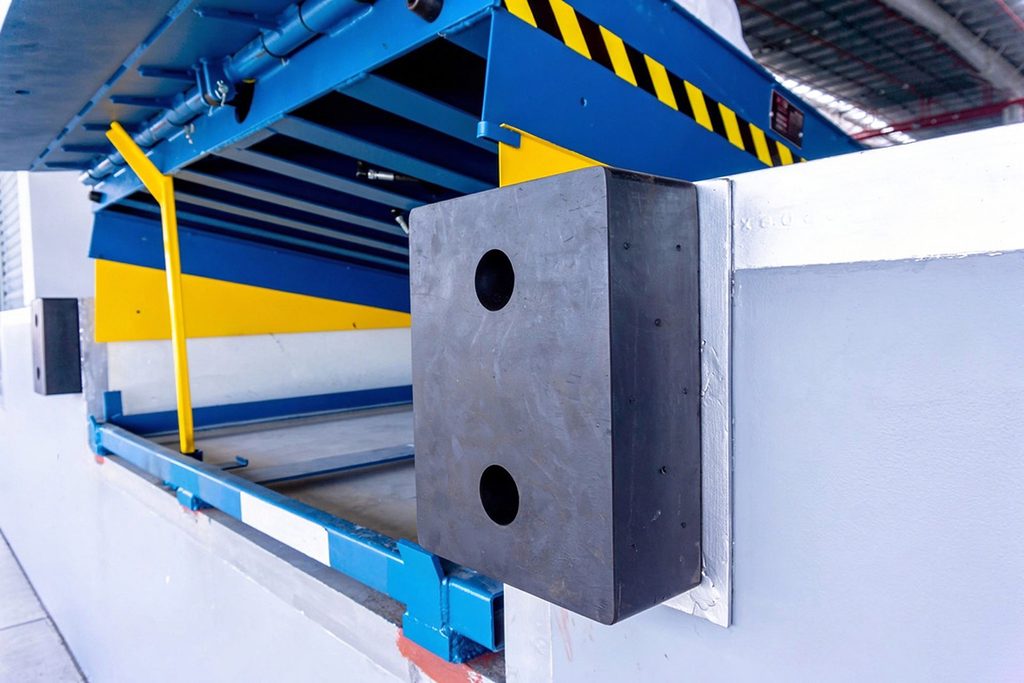
A dock leveler is a hinged steel deck set into a pit at the dock door. The rear edge hinges at the dock floor. The front edge rises and falls on a hydraulic or mechanical mechanism. A lip at the front reaches over the trailer bed, so a forklift can drive across the gap.
Normal dock leveler operation follows five steps:
- The operator raises the deck.
- The lip extends over the trailer.
- The deck lowers until the lip rests on the bed.
- Loading runs, and the trailer holds up the front edge of the deck.
- When loading ends, the deck returns to its dock leveler stored position — the resting height the design defaults to when no trailer is at the door.
Some designs float below and above dock height as the trailer settles or rises, which keeps the deck’s slope reasonable while the trailer moves.
On a hydraulic unit, a hoist cylinder under the deck does the lifting. Remember that cylinder — the fuse lives inside it.
A powered leveler does not stay raised on its own. Hydraulic pressure holds it up. So does the trailer bed under the lip, or a maintenance stand. Take the trailer bed away and only the hydraulic circuit remains.
The distance is not small. A typical operating range runs about 10 inches above dock height to 10 inches below. A deck at the top of that range could fall as far as 20 inches if nothing stopped it. Put a loaded forklift on that deck, and weight and momentum land on a tilted surface in the same second. The velocity fuse targets exactly that second.
What the Fuse Does in Those Two Seconds
Picture the sequence:
- The truck pulls away, and the lip loses its support.
- The front of the deck starts to fall.
- Oil in the cylinder starts to rush.
- The valve closes as soon as the flow crosses its set rate.
- The cylinder locks, and the deck stops after a short travel.
How It Locks the Cylinder
A velocity fuse is a flow-sensing valve on the hoist cylinder. During a normal cycle, oil moves through it at the pace the pump or lowering valve sets, and the fuse stays out of the way. If the deck starts to drop faster than that, the oil rushes through. When the flow crosses a set rate, the valve closes. The trapped oil locks the cylinder, which then holds the deck up like a column.
That is why the fuse reacts to the motion itself rather than to a sensor or a button. The trigger is the oil flow, so the response arrives at the speed of the fall.
The fuse is one of several pieces working together. Patent filings for related mechanisms — combining check valves with specific cylinder mountings — describe the general goal as preventing violent drops when a carrier departs early; exact designs vary, so treat any single filing as illustrative rather than universal. In practical terms:
- A leveler without a velocity fuse may descend rapidly if the truck pulls away unexpectedly, which could injure people or damage product and equipment.
- The fuse typically sits at the base of the cylinder and locks it when a vehicle stands on the ramp and the truck drives off.
- A velocity safety fuse is commonly built into the hoist cylinder as a standard feature on hydraulic models.
What the Fuse Cannot Do
Three limits matter on the dock:
- The deck moves before it locks. The fuse needs the deck to reach a certain speed first — that short travel is how the device works, not a defect.
- The deck stays where it stopped, not where it started. The fuse arrests the fall; it doesn’t reposition the deck afterward.
- The trip rate is a design tradeoff. Too sensitive, and it locks during ordinary lowering. Too slow, and it doesn’t help when it matters. The threshold has to suit the specific cylinder and its load.
After the Fuse Holds: Auto Return and the Stored Position
Once the fuse locks the cylinder, the deck stops — but it still sits at an angle, with no trailer on the far side. On units without automatic return, manufacturer guidance notes that after the truck leaves, the deck and lip settle onto the bottom support stops, leaving a hazardous slope in the floor toward the door that anyone walking or driving through will meet.
Auto return solves that: on a leveler equipped with it, the deck goes back to its stored position without anyone touching a control, and the slope disappears from the floor. The leveler shouldn’t depend on someone remembering to reset it after a bad moment at the dock.
The stored position also matters for the next truck — a leveler that rests where it’s meant to gives the next driver a predictable approach. Auto return and the fuse cover different parts of the same event: the fuse limits how far the deck falls in the first second, and auto return deals with what remains afterward.
Hydraulic units also add an emergency stop. Some designs include an emergency ramp stop — one button halts the platform at once. It can’t undo a departure, but it lets the operator freeze the deck while the crew sorts things out.
Why the Fuse Is Only One Layer of Protection
Safety legs, lip control, auto return, and truck restraints each cover a different failure mode. Treat them as layers, not substitutes:
| Layer | What it protects against | What it can’t do |
|---|---|---|
| Velocity fuse (hydraulic) | Uncontrolled deck fall after departure | Prevent the departure itself; return the deck to rest |
| Safety legs (mechanical) | Uncontrolled deck fall after departure | Stop the deck at its starting height — some drop still occurs |
| Safety strut | A raised deck falling on a technician during service | Anything outside of maintenance — it’s not a fall-arrest device in normal use |
| Lip control / auto return | A lip slamming down or blocking the next truck | Preventing the initial trailer departure |
| Truck restraint | Trailer creep or premature departure at the source | A fall that’s already happening — the leveler-side layers take over from there |
Safety Legs vs. the Safety Strut
Mechanical levelers have no hydraulic cylinder to lock, so free-fall protection works differently there. Both parts below sit under the deck, and both carry the word “safety” — which is why people mix them up:
- Safety legs hang from the underside of the deck and catch on a pedestal in the pit. They limit how far the deck can fall, but the deck still drops some distance, and whatever sits on it feels that drop.
- A dock leveler safety strut (sometimes called a maintenance strut) holds the deck up so a technician can work underneath. It exists so a raised deck can’t come down on someone underneath it.
The strut belongs in the servicing routine, not as a substitute for the fall-protection layers above it. The servicing order runs:
- Cut the power.
- Set the strut so the deck cannot move.
- Tell the crew the leveler is out of service.
- Only then reach under the deck.
Industry safety guidance warns against improvising with a chain or a 4×4 timber instead of the strut. If the deck drops, it can injure or kill anyone in its path. That’s a small piece of general dock safety, but one every new crew member should hear on day one.
The Lip Has Its Own Failure Mode
The lip is the hinged plate at the front edge of the deck. Once a trailer sits at the door, the lip rests on the bed and carries part of the load. On some mechanical designs, a latch holds the lip out, and contact with the truck bed releases that latch. When the truck drives off, nothing holds the lip and it swings down — patent literature describes this as a slamming action that’s both unsafe and hard on the leveler.
That’s why the dock leveler safety lip deserves attention apart from the deck itself. A lip that falls freely endangers anyone standing near the pit, and it may end up in the wrong position for the next truck — which can strike a lip left extended when it backs into the bay.
Hydraulic designs handle this differently: a control circuit can let the lip fall under control when the pump runs with the lip out, paired with an automatic return feature that sends the leveler back to its stored position if the deck drops with no truck present. Both features share one aim — the lip shouldn’t stick out where the next truck can hit it.
A Dock Leveler Truck Restraint Stops the Problem at the Source
Free-fall protection responds to a truck that has already gone. The better answer keeps the trailer at the door in the first place. The problem generally shows up as one of two failure modes:
- Creep (dock walk): the trailer drifts away gradually.
- Premature departure: the driver pulls out before loading ends.
In both cases, a forklift can fall into the gap between dock and trailer, and severe injuries follow.
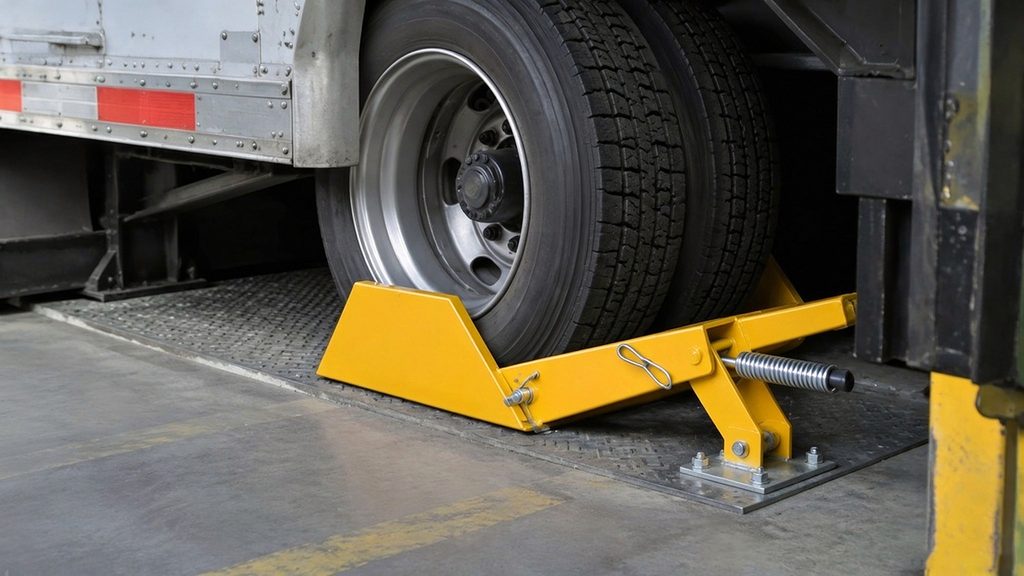
A dock leveler truck restraint prevents both. At the simple end, it’s a wheel chock. At the other end, an automatic hook or barrier locks onto the trailer’s ICC bar (the rear impact guard) and holds it until loading finishes. Automatic restraints remove the human error inherent in manual chocks and are generally considered the highest level of security; where a lane relies on chocks alone, it’s worth considering stronger control at the door. Restraints typically link to signal lights — once the restraint locks, the light inside turns green and the light outside turns red.
Common practice agrees on the sequence: lock the restraint first, then engage the leveler. If the restraint fails or someone bypasses it, the fuse does all the remaining work — and a fuse makes an excellent backstop, but a backstop is what you rely on once the first plan has already failed. This gap, between a trailer that has left and a deck that hasn’t yet caught up, is where this class of dock accident happens.
Daily Operation Habits That Keep the Deck Out of Trouble
Equipment protects the crew only when the crew uses it the same way every shift. These habits take minutes and cost nothing. The steps below reflect published checklists and dock safety guides.
The Start-of-Shift Check
Treat the start-of-shift check as a 30-second habit, run in this order:
- Look for slow movement, odd noises, visible damage, and leaks before first use.
- Run one full cycle — raise the deck, extend the lip, lower to the stored position — and watch for jerking, hesitation, or unusual noise.
- Confirm the lip extends fully and seats on the trailer floor.
- Check the restraint before the leveler. A restraint that fails to engage or releases early removes the main barrier at the dock face.
- When the first forklift enters, watch the trailer for 10 seconds. If it moves, stop and secure it again.
Tag any leveler that fails a step. A simple “do not use” tag system takes the judgment call off the operator — a leveler that isn’t safe gets tagged immediately and stays out of service until someone clears it. Good operation looks dull: the same movement, at the same speed, every time. Any change in that rhythm is the signal to stop.
Risks Worth a Tag
- Slow or jerky movement — the deck hesitates or moves in steps.
- A lip that won’t extend or seat — loads bridge the gap without full support.
- Leaks under the leveler — oil on the pit floor points to a problem.
- A restraint that fails to engage — the trailer can drift while the deck carries a forklift.
- Inconsistent light rules door to door — best practice is identical red/green conventions at every door and every shift.
- Unreported near misses — best practice is encouraging near-miss reports without blame.
Whichever spelling your team uses — dock leveler safety or dock leveller safety — it comes down to the same few habits. None costs much time; post them at each door in plain words so they become routine regardless of who’s working the shift. Fewer unknowns at the door, on every shift — that’s the practical upgrade.
FAQ
Q: What does a dock leveler velocity fuse do?
A: It locks the hydraulic cylinder when the deck drops faster than normal, so a truck pulling away can’t send the deck through its full range. Oil flows at a normal pace during a cycle; a sudden surge trips the valve.
Q: Can a velocity fuse replace a truck restraint?
A: No. The fuse limits how far the deck falls after the trailer has left; the restraint keeps the trailer there in the first place. Relying on either alone misreads how the two are meant to work together.
Q: Do mechanical levelers have the same protection?
A: Not the same kind — they rely on safety legs to limit the drop. A safety strut is a different part entirely: it holds the deck up for servicing, not to catch a fall.
Q: What happens to the lip when the truck leaves?
A: On some mechanical designs it can swing down freely. Hydraulic circuits can let it fall under control and return the deck to rest. The specific lip design determines which behavior you get.
Q: What is a trailer creep check?
A: A 10-second watch on the trailer when the first forklift enters. If the trailer moves, stop and secure it again — this is recommended because the first forklift entry is where creep typically shows up.
Q: Is dock safety different for hydraulic and mechanical units?
A: The fall-protection mechanism differs — a fuse on one, safety legs on the other — but the daily operating habits stay the same.
Before the Next Truck Backs In
When a truck pulls away early, a lot happens in a second or two. The velocity fuse holds the deck. Auto return puts it where it belongs. The restraint should have prevented the trouble to begin with. If you’re specifying hydraulic levelers for a new dock, ask the supplier where the fuse sits in the cylinder and how they test it — good dock safety comes down to asking those plain questions before the truck ever reaches the door.
Trusted by Fleet Operators Across 60+ Countries
Stop Losing Time at the Loading Dock.
Get a Custom-Matched Tail Lift Quote in 24 Hours.
60
Countries Served
24h
Quote Turnaround
99.9
Field Uptime
5.0
Customer Rating
No Obligation
CE & UKCA Certified
Standard & Custom Builds
Worldwide Shipping