Having trouble submitting? Email us directly at nicole@beauway.com and we'll get back to you within 24 hours.











Folding Tail Lift Load Capacity: How to Choose the Right Class
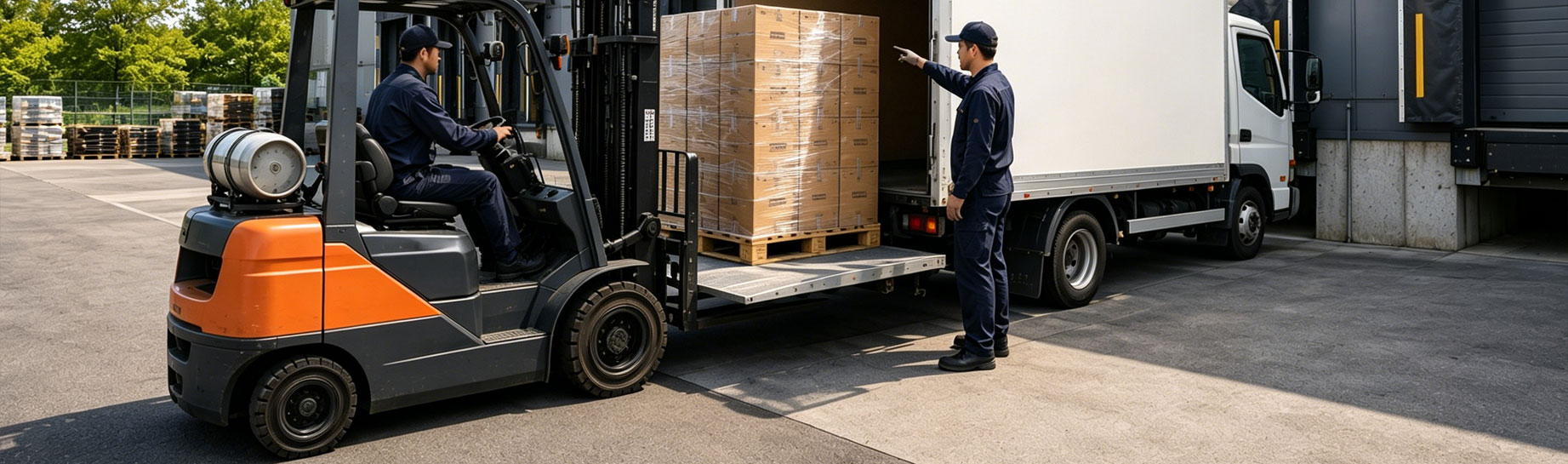
Fleet buyers often pick a folding tail lift by price alone. This usually backfires later. Either the platform struggles under real loads, or the fleet pays for capacity it never uses. Understanding folding tail lift load capacity classes is the real starting point for any purchase decision.
Three variables drive the right choice. First, how much weight the platform carries on a typical day, not an occasional peak day. Second, how the vehicle loads cargo — from ground level, from a raised dock, or both. Third, how many lift cycles the unit completes before its next service. This guide covers how a folding tail lift works and how folding tail lift load capacity compares across liftgate types. It also shows how to match capacity, certification, and cost to daily fleet operations.
How a Folding Tail Lift Works
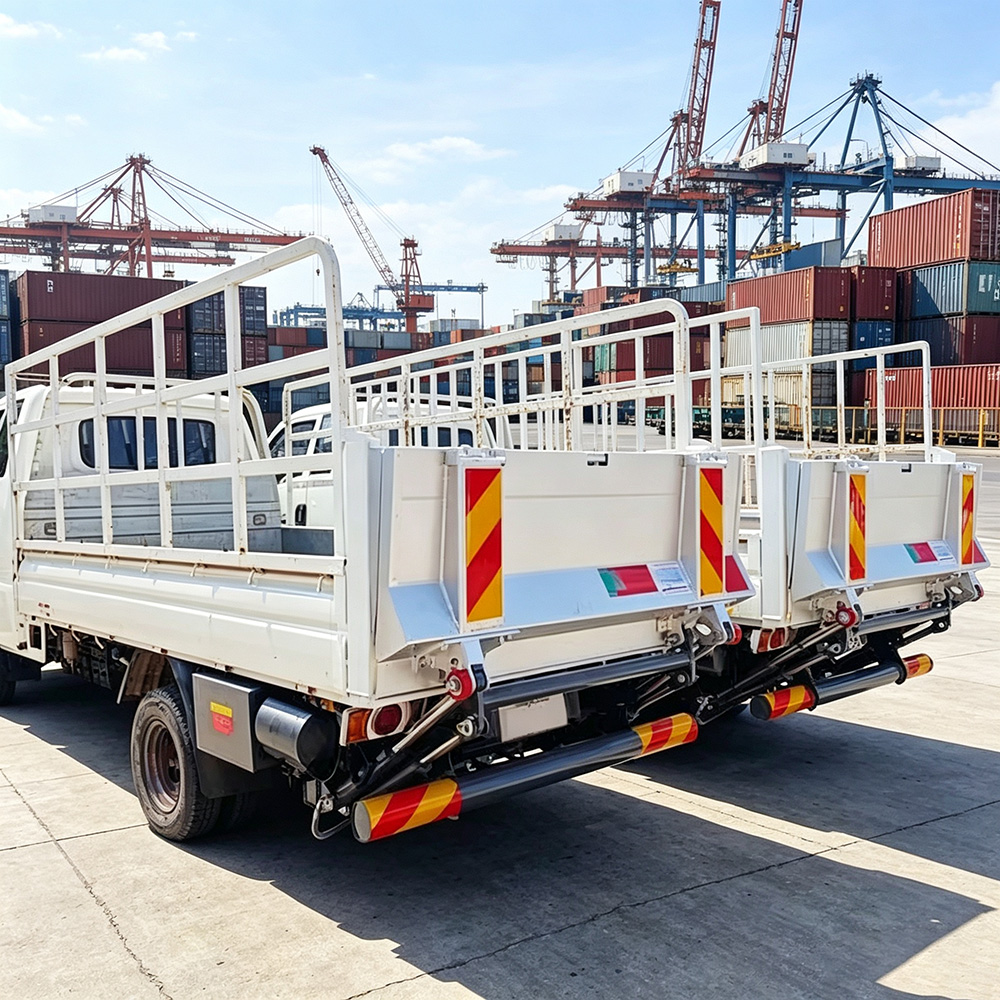
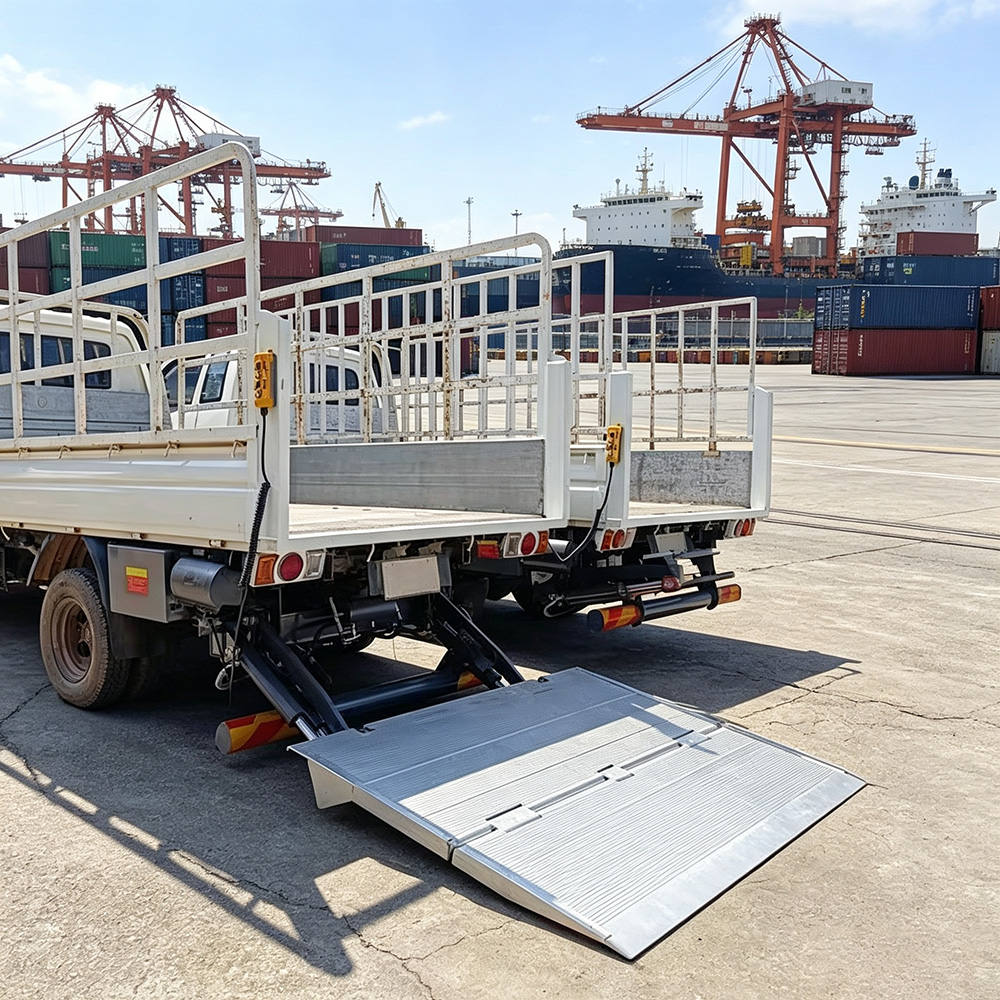
A folding tail lift uses a platform, a hinged support arm, and a hydraulic lifting mechanism. The platform folds flat against the vehicle’s rear when not in use. It sits flush with the body instead of protruding outward. This flat-stow design sets it apart from other liftgate types. The platform stows in the same rear position as the tailgate itself, but a folding hinge gets it there instead of a rigid swing-down arm.
A double-acting hydraulic cylinder drives the movement. The pump usually sits near the chassis rail. It draws power from the vehicle’s electrical system or a dedicated auxiliary battery. The operating sequence has four steps: the platform unfolds outward, lowers to ground level, receives or releases cargo, then raises and folds back into place. The hinge points complete this fold, and they also wear the fastest. Hinge bushing and pin wear cause more maintenance calls than the hydraulic cylinder itself.
Platform material is either steel or aluminum, and this choice affects folding tail lift load capacity in practice. Steel offers more rigidity per unit thickness and handles repeated heavy-point loading well. Manufacturers commonly use steel for freight, construction supply, and industrial platforms. Aluminum trades some rigidity for lower weight, which preserves more of the vehicle’s overall payload allowance. Platform dimensions typically range from 1,600 to 1,800 mm in depth and 1,800 to 2,500 mm in width, though most suppliers customize sizing to match the vehicle body.
Folding Tail Lift Load Capacity Classes Explained
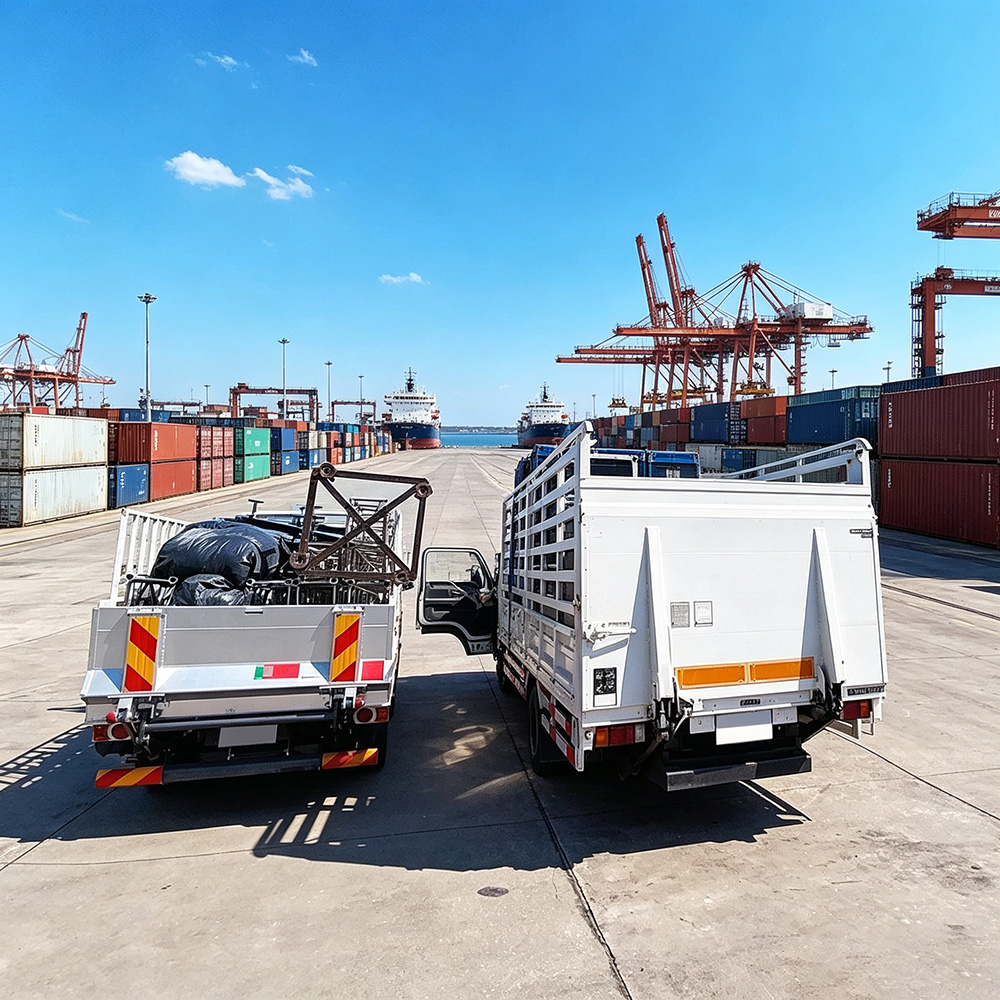
Most folding tail lift load capacity ratings fall into four standard classes: 500 kg, 1,000 kg, 1,500 kg, and 2,000 kg. Each class targets a different type of cargo and cycle frequency.
The 500 kg to 1,000 kg range suits light parcel and retail distribution. Cases, small pallets, and mixed small-format goods fall into this bracket. Last-mile delivery vans commonly use these lower classes, since faster cycle times and lower added weight matter more than raw lifting power here.
The 1,000 kg to 1,500 kg range fits general freight, beverage distribution, and construction supply. These operations regularly move palletized goods, machinery components, or building materials. Rated capacity always refers to a load spread evenly across the platform. A concentrated point load — a single heavy item placed off-center — can exceed the safe working limit well before the platform reaches its rated total. This overlooked factor causes premature hinge wear and, in worse cases, structural stress on the mounting brackets.
The 1,500 kg to 2,000 kg class suits heavier industrial cargo, cold storage equipment, and fleets running high daily cycle counts. Manufacturers typically build the platform and hinge components to a heavier gauge at this level. These parts must absorb more repeated load cycles over the same service life.
Matching Folding Tail Lift Load Capacity to Your Fleet
A folding tail lift load capacity that matches real cargo weight avoids two costly mistakes: under-sizing the unit and over-paying for unused capacity. Fleet procurement teams commonly apply a simple rule. Choose a rated capacity roughly 20 to 25 percent above the heaviest anticipated single load, not the exact maximum expected weight.
This margin covers three real-world factors. Cargo rarely distributes evenly across the platform. Cargo types change gradually over a vehicle’s service life. Hydraulic lifting equipment wears down gradually, even with good maintenance. Buyers who size exactly to their current maximum load often find that margin gone within a year or two, once cargo mix shifts even slightly.
Common Mistakes When Sizing Folding Tail Lift Load Capacity
Several recurring mistakes show up when fleets choose folding tail lift load capacity without a clear process. Spotting them early saves both money and downtime.
Sizing to average load instead of peak load. Average daily cargo weight looks reassuring on paper, but the platform still needs to handle the heaviest single load it will ever face. A unit sized to the average will struggle the first time a driver loads a genuinely heavy pallet.
Ignoring point loads. Rated capacity assumes an evenly distributed load. A single heavy crate placed near one edge of the platform creates stress well beyond what the total weight suggests. Fleets that regularly move dense, unevenly shaped cargo need extra margin for this reason alone.
Choosing platform material by price rather than duty cycle. A lighter aluminum platform can look like the cheaper option upfront, but a fleet running dense industrial cargo daily will wear it out faster than a steel equivalent built for that load type. The right material choice depends on cargo density and cycle frequency, not sticker price.
Overlooking future cargo changes. Fleets often size a unit to their current contracts without accounting for likely changes in cargo type over the next few years. A capacity class with some built-in headroom avoids a costly early replacement.
Treating certification as a one-time check. CE marking or an SGS test report confirms compliance at the point of manufacture. It says nothing about a unit’s condition after three years of daily hinge wear. Ongoing inspection still matters regardless of how the unit was originally certified.
Comparing units on purchase price alone. As covered in the cost section above, hinge wear and hydraulic upkeep drive most of the total cost over a unit’s service life. A slightly higher upfront price often pays for itself through fewer replacement parts and less downtime.
Avoiding these six mistakes generally comes down to one habit: basing the decision on real operating data — peak load, load distribution, cycle count, and expected cargo changes — rather than on the headline capacity number a spec sheet lists first.
Folding Tail Lift vs Cantilever Tail Lift: Capacity and Structure
Buyers frequently compare folding designs against cantilever tail lifts, since both appear on medium and heavy commercial vehicles. The core difference lies in how the platform stows and what that means for load capacity and daily operation.
A cantilever tail lift forms part of the rear door itself. The platform swings upward and becomes the door when not in use, giving it a continuous, rigid structure. This structure supports higher load capacities, in some cases approaching several tonnes. A folding tail lift lacks that continuous platform. The folding joint reduces structural rigidity at the hinge point, which caps typical capacity lower than a cantilever equivalent. That lower ceiling still covers parcel, retail, and general freight work comfortably.
The folding design wins on dock compatibility. The platform folds flat against the vehicle rather than swinging outward or hanging below. This lets a folding-tail-lift vehicle reverse straight up to a loading dock without the liftgate blocking the approach. This matters most in refrigerated logistics. A flush rear profile helps maintain a tighter seal between the vehicle and the dock door, which reduces temperature loss during transfer.
| Feature | Folding Tail Lift | Cantilever Tail Lift |
|---|---|---|
| Stowed position | Folds flat against rear | Forms part of rear door |
| Platform structure | Hinged, non-continuous | Continuous, rigid |
| Typical load capacity | Up to ~2,000 kg | Higher, up to several tonnes |
| Dock compatibility | Strong — flush profile | Moderate — platform may project |
| Operating cycle speed | Slightly slower | Faster |
| Ground clearance | Not affected | Not affected |
Where Folding Tail Lifts Perform Best
Three operating environments favor folding tail lifts. Urban last-mile delivery tops the list. Vehicles make frequent stops at locations with inconsistent kerb heights and tight maneuvering space. The flat-stow profile keeps the vehicle’s rear clear for close reversing and parking.
Cold chain and refrigerated distribution ranks second. The platform folds flush against the vehicle body instead of staying partly extended. This supports a tighter door seal at loading docks. It directly limits how much cold air escapes during each transfer, a real factor over a full delivery route.
Dock-to-vehicle transfer operations round out the list, including warehousing and distribution center loading. Drivers here often back straight up to a fixed dock rather than loading from ground level. Reviewing available folding tail lift models against these use cases and the capacity classes above narrows a shortlist quickly.
Rough or unpaved terrain suits folding designs poorly. Construction sites and quarry access roads generate constant vibration, which wears hinge points faster than standard maintenance intervals assume. A cantilever design’s rigid platform structure usually holds up better in these conditions.
Comparing Load Capacity Across Liftgate Types
Column-style, or vertical, liftgates round out the comparison. Buyers commonly find these on lighter vehicles.
| Type | Load Capacity Range | Ground Clearance Impact | Typical Vehicle Class | Relative Cost |
|---|---|---|---|---|
| Folding | 500–2,000 kg | None | Medium trucks, vans | Moderate |
| Cantilever | Up to several tonnes | None | Heavy rigid trucks | Higher |
| Column/Vertical | Lower (structure-limited) | Can reduce clearance | Light trucks, utes | Lower |
Column-style liftgates cost the least and can lift above deck height, which suits mezzanine-style vehicle bodies well. They cannot match the load capacity of folding or cantilever hydraulic systems, so fleets generally reserve them for lighter-duty work.
Safety Standards and Certification
European and UK markets generally expect tail lift equipment to meet EN 1756-1. This harmonized standard covers design, load testing, and guard-rail requirements for goods-only platforms. This standard sets minimum criteria for platform edge protection and control system safety functions such as hold-to-run operation. It also sets the load-testing multiple a unit must survive above its rated capacity before certification. CE marking declares compliance with this standard under the broader Machinery Directive.
Fleet buyers operating across multiple regions may also encounter UKCA marking, the UK’s post-Brexit conformity mark. Country-specific vehicle rules matter too, such as ECE R58 for rear underrun protection, which can interact with tail lift mounting position. Independent test reports from recognized bodies give buyers a more verifiable compliance basis than a certificate alone. SGS and TÜV Rheinland commonly appear in this space. Their reports typically cover structural load limits, electrical safety, and control behavior under fault conditions.
Certification confirms a unit met a defined safety threshold at the point of testing. It does not replace the ongoing inspection and maintenance that hydraulic lifting platforms need once they enter daily service.
Cost Considerations for Folding Tail Lift Load Capacity
Unit price generally scales with load capacity and platform size, but purchase price tells only part of the story. Installation costs vary depending on the setup. A vehicle body specified for tail lift mounting from the outset costs less than a later retrofit. Retrofitting often needs extra structural reinforcement at the mounting points, which adds both cost and lead time.
Hydraulic fluid changes, hinge wear parts, and electrical system upkeep drive most ongoing costs. The hinge assembly typically accounts for the most frequent wear-related expense over a multi-year service life. Fleets running high daily cycle counts should factor this into total cost of ownership, not just purchase price. A cheaper unit built for a lighter duty cycle can cost more in the long run. Downtime and part replacement add up quickly once a fleet mismatches it to real usage volume.
FAQ: Folding Tail Lift Load Capacity Questions
What is a folding tail lift used for?
A folding tail lift raises and lowers cargo between ground level and a vehicle’s loading platform without manual lifting. Delivery vans, medium trucks, and refrigerated vehicles use them most often, especially on urban or dock-loading routes.
How much weight can a folding tail lift carry?
Folding tail lift load capacity typically ranges from 500 kg to 2,000 kg, depending on platform size and hydraulic specification. Buyers should choose a rated capacity around 20 to 25 percent above the heaviest anticipated single load.
Is a folding tail lift better than a cantilever tail lift?
Neither type wins universally. The right choice depends on load requirements and dock conditions. A folding tail lift offers a flush, dock-friendly profile and lower relative cost. A cantilever design supports higher load capacities and a more rigid platform for heavier freight.
Does a folding tail lift affect vehicle ground clearance?
No. The platform folds flat against the vehicle’s rear instead of stowing underneath the chassis, so ground clearance stays intact. This makes it a solid option for routes with steep driveways or low entry points.
What maintenance does a folding tail lift need?
Maintenance centers on the hinge assembly, since mechanical wear shows up there first. Standard practice includes regular checks of hydraulic fluid levels, hinge bushing clearance, control wiring, and the platform’s anti-slip surface.
Conclusion
Folding tail lift load capacity selection comes down to matching rated capacity to real cargo weight with a reasonable safety margin. Buyers should also confirm the operating environment suits a flush-stow, hinge-based design rather than a rigid cantilever structure. Weighing daily cycle frequency against platform and hinge durability across capacity classes matters just as much. Fleets running frequent urban or dock-loading routes generally gain more from the folding design. Its compact stow and dock compatibility outweigh the lower capacity ceiling in most of these cases. Heavier, less frequent freight operations may suit a cantilever alternative better. Buyers can review folding tail lift specifications against the capacity classes and use cases above. This comparison gives a solid starting point before finalizing a shortlist.
Trusted by Fleet Operators Across 60+ Countries
Stop Losing Time at the Loading Dock.
Get a Custom-Matched Tail Lift Quote in 24 Hours.
60
Countries Served
24h
Quote Turnaround
99.9
Field Uptime
5.0
Customer Rating
No Obligation
CE & UKCA Certified
Standard & Custom Builds
Worldwide Shipping