Having trouble submitting? Email us directly at nicole@beaway.com and we'll get back to you within 24 hours.











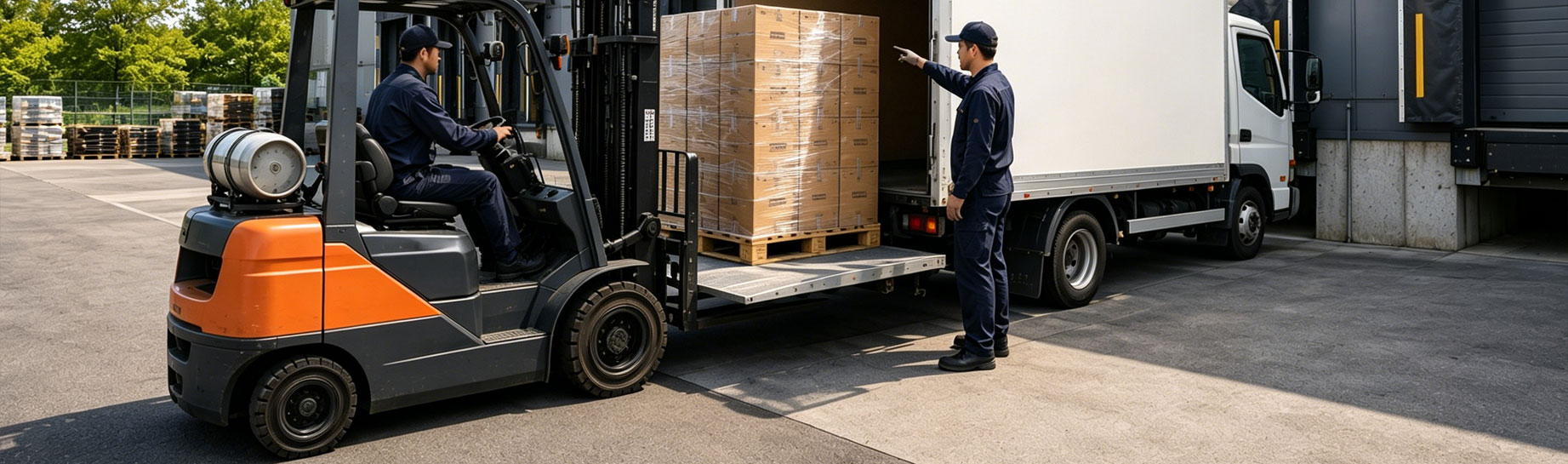
How to Pick a Tail Lift That Can Handle Daily Waste Collection Routes
Waste and recycling fleets push their equipment harder than most commercial vehicles. A parcel van might open its tail lift a few times a shift. A refuse truck can cycle the platform dozens of times before lunch. It often works on wet ground and in low light. Picking the right waste truck tail lift means looking past the weight rating. You need to check how the platform, hydraulics, and finish hold up under daily strain. This guide covers what actually matters when you specify a tail lift for waste and recycling trucks. It’s based on how these vehicles work in the field, not just what a spec sheet promises.
Fleet managers who get this decision right avoid a costly pattern. A lift can look fine on the load-capacity number. It can still wear out far ahead of schedule once it meets a real waste collection route.
Why Waste and Recycling Routes Are Harder on a Tail Lift
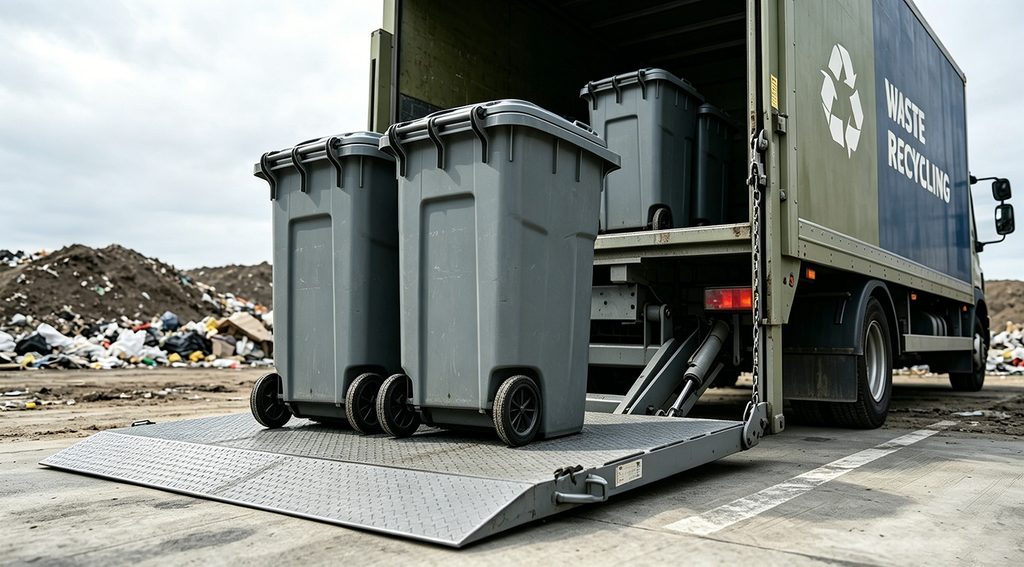
A waste collection route runs on repetition. The platform drops, takes a load, lifts, and drops again. This happens stop after stop, for the whole shift. Over a working week, that adds up to far more open-close cycles than a typical delivery vehicle ever sees. Hydraulic cylinders, pivot points, and seals all feel this repetition. A part that lasts for years on a lightly used van can wear out much faster on a truck. That truck may cycle the platform dozens of times a day.
The environment adds another layer of stress. Waste and recycling vehicles regularly meet organic liquids, cleaning runoff, road grit, and general debris. Loading points aren’t always flat or well lit. Platforms often carry uneven or awkward loads instead of tidy pallets. Early starts and low light bring a safety dimension on top of the mechanical one.
Where the Wear Shows Up First
Fleet workshops that service these vehicles report the same pattern. Problems rarely start with a dramatic failure. They start small, in a handful of predictable places.
- Hinge pins and pivot bushings, from repeated opening and closing under load
- Control switches and wiring connectors, from moisture and washdown exposure
- Platform edges and roll stops, from repeated contact with bins and crates
- Hydraulic seals, from a mix of grit ingress and constant cycling
None of this means a standard tail lift can’t be adapted for waste work. It does mean the selection criteria should match this specific duty cycle, not a generic delivery-vehicle checklist.
How to Judge Duty Cycle Ratings for a Tail Lift for Waste and Recycling Trucks
Most manufacturers rate a tail lift by more than its maximum load. They also publish a duty cycle rating. This is the number of lift-and-lower operations the unit is built to handle before major components need servicing. On a standard delivery run, this number rarely matters. The lift just isn’t used often enough to approach it. On a waste collection route, it can be one of the most important figures on the spec sheet.
When you compare options, ask the supplier how the duty cycle rating was tested. Don’t assume two lifts with the same load capacity will perform the same way over time. A heavy-duty tail lift for garbage trucks is normally built with:
- reinforced hydraulic cylinders sized for frequent cycling
- thicker structural steel in the platform and frame
- more robust pivot bushings at high-wear points
- control systems rated for frequent starts and stops rather than occasional use
Even when the rated capacity looks similar on paper, these details drive the real difference in service life. Fleet operators who move to a heavy-duty tail lift for waste trucks often notice the change first. They see fewer unscheduled repairs, rather than any single dramatic failure.
A warranty period tells you how long a manufacturer stands behind a product on a calendar basis. It says very little about how many operating cycles the unit is expected to handle. Two lifts can carry the same warranty length while being built for very different levels of daily use. For a waste or recycling fleet, the duty cycle rating is a more useful comparison point than warranty length alone. It reflects how many times the equipment will actually be asked to work, not just how many months have passed.
In Europe, tail lifts for goods vehicles are typically designed to meet EN 1756-1. This is the safety standard covering the design and verification of tail lifts mounted on wheeled goods vehicles. Asking whether a lift meets this standard is a reasonable starting point for any technical conversation with a supplier. It also gives fleet managers a common reference point when comparing quotes.
What to Check Before You Buy: Corrosion, Platform Fit and Capacity
Three details decide whether a tail lift copes with waste and recycling work over the long term. The first is how well it resists corrosion. The second is how well the platform suits the actual loads it will carry. The third is whether its capacity matches the vehicle and the route.
Corrosion Resistance and Sealing
Corrosion is one of the most common reasons a tail lift underperforms on waste and recycling duty. It’s also one of the easiest things to overlook when placing an order. Organic waste, leachate, and cleaning agents used for washdown are all more aggressive on exposed metal and hydraulic parts. This is true compared with the dry cargo most tail lifts were originally designed around. Fleets operating in humid or coastal regions, or in climates with wide temperature swings, tend to see these effects sooner than fleets running in dry, temperate conditions.
Before you order, check these points:
- Platform and frame finish. Anodised aluminium and hot-dip galvanised steel both resist corrosion noticeably better than standard painted finishes. This matters especially on parts that sit close to the ground or get hosed down regularly.
- Hydraulic hose and fitting protection. Hoses running along the underside of the platform face both corrosion and physical damage from debris. Routing that shields these lines extends their working life.
- Seal quality around the cylinders. Cylinders exposed to grit and moisture need seals that keep contaminants out of the hydraulic fluid. This detail rarely shows up on a basic spec sheet, but it affects reliability directly.
- Electrical connector protection. Control wiring and connectors near the platform should be rated for washdown exposure, not just splash resistance.
These features won’t remove the need for regular cleaning and inspection. They will slow down how quickly a tail lift’s performance drops under waste-collection conditions.
Platform Configuration for Bins, Crates and Loose Loads
Waste and recycling operations rarely move one type of load. A single route might involve wheeled bins, stackable crates, and loose bulk material, sometimes all on the same day. This makes platform size, surface grip, and roll-stop configuration genuine selection criteria. A platform built for pallets can be awkward or unsafe for bins and loose material.
A serrated or non-slip platform surface helps keep wheeled containers and irregular loads stable during the lift-and-lower cycle. Well-placed roll stops matter just as much, especially on the uneven ground common at collection points. Check platform dimensions against the largest containers or crates the vehicle handles regularly, not just the average case.
A few practical questions help narrow the right configuration:
- Will the platform mostly carry standard wheeled bins, mixed crates, or loose bulk material?
- Does the crew load and unload from the side, the rear, or both?
- Are collection points typically flat, or does the platform need to cope with kerbs and sloped ground?
- Do early-morning or evening routes call for integrated platform lighting?
A tail lift is a general-purpose platform mounted at the rear of a vehicle for lifting and lowering cargo. This includes bins, crates, or bulk material placed on it. A bin lift is a separate, purpose-built device, usually side-mounted. It is designed specifically to grip, tip, and empty standard wheeled waste containers directly into a compaction body.
This distinction matters at the specification stage. Fleets that collect sealed containers or crates alongside standard bins are usually better served by a properly specified tail lift for recycling fleets. Operations built entirely around standardised wheeled bin collection typically need a bin lift instead. Getting this right early avoids ordering equipment that doesn’t match how the route actually works.
Matching Capacity to Vehicle Size and Route Type
Waste and recycling fleets rarely run a single vehicle type. A light municipal service vehicle handling missed collections has very different lifting needs from a larger truck. A larger truck might work a dense residential circuit or an industrial recycling contract. Matching tail lift capacity to the vehicle and the route avoids two common mistakes. This matters more than defaulting to whatever capacity the previous vehicle happened to use.
The first mistake is under-specifying. A lift chosen mainly to keep upfront cost down can end up working near its rated limit on a regular basis. This shortens component life and increases the chance of unplanned downtime. The second mistake is over-specifying. A heavier lift than the route actually requires adds unnecessary weight to the vehicle. Over time, that can reduce usable payload and raise fuel costs without a matching benefit in durability.
A useful starting point is to review the actual load profile of the route. Look at typical container weights and how often the platform cycles per shift. Check how much of that load sits genuinely near the vehicle’s rated capacity versus well under it. Suppliers with experience in municipal and waste fleet applications can usually help translate this route profile into a recommendation. That’s more reliable than leaving the fleet manager to guess from a general product catalogue.
Vehicle type matters here too. Compact collection vehicles working narrow residential streets often prioritise a lighter, more compact lift that preserves manoeuvrability. Larger trucks on industrial or commercial routes can accommodate a heavier-duty unit without the same weight trade-off. Getting this balance right at the ordering stage is far cheaper than retrofitting a different lift later.
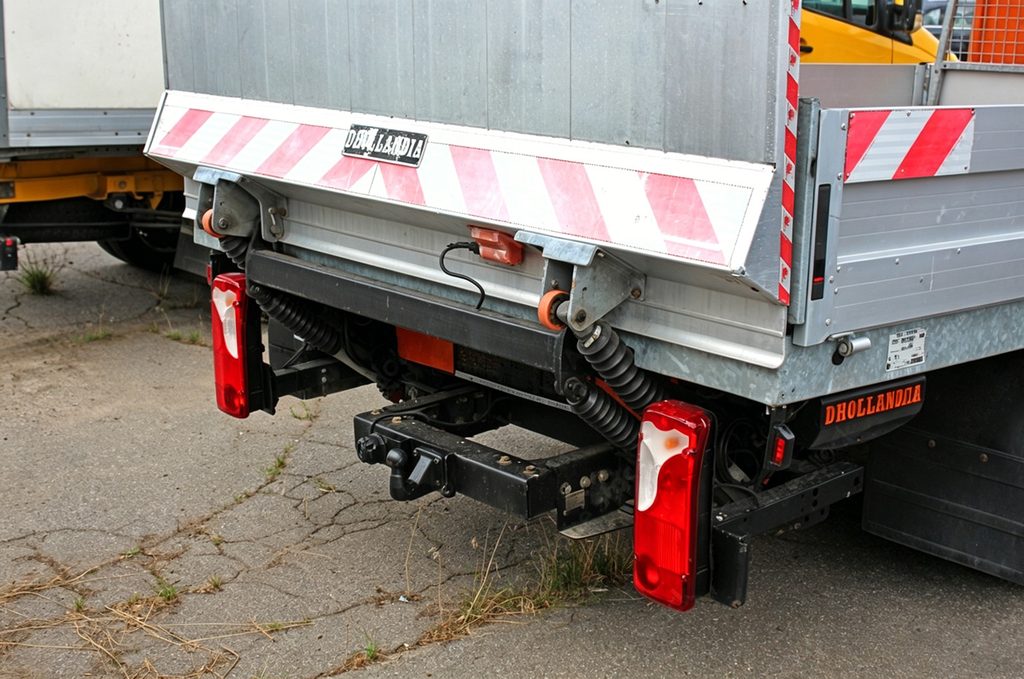
Keeping a Tail Lift for Waste and Recycling Trucks Running
Specifying the right equipment is only half the job. The other half is keeping it running through daily service. It also means knowing what to ask a supplier before the order is placed.
Maintenance That Keeps the Lift Running
Even a well-built tail lift depends on consistent maintenance to perform reliably under daily waste collection duty. Because these vehicles cycle the platform so often, small issues tend to surface faster than on lighter-use equipment. That actually helps fleet managers who build in regular checks. Problems get caught before they cause a breakdown mid-route.
A practical daily and weekly routine covers:
- Check hydraulic fluid levels and look for leaks around cylinders and fittings.
- Inspect the platform and roll stops for wear or damage after washdown.
- Grease pivot points on the schedule the manufacturer recommends.
- Test all control functions before the vehicle goes out on route.
- Log anything unusual — uneven lowering, hesitation, or noise — so a technician can review it before the next shift.
Drivers often notice early warning signs first. A platform that lowers unevenly, a hesitation in the hydraulic system, or an unusual noise are all worth reporting immediately. Don’t wait for the next scheduled service. Keeping the hydraulic system properly maintained protects fleet uptime. It also helps the equipment reach its expected number of loading cycles before major components need attention.
Maintenance checks that depend on drivers remembering to do them tend to slip once a route gets busy. Fleets that keep their tail lifts running reliably usually build these checks into an existing routine. A pre-trip inspection sheet, a washdown-bay checklist, or a short end-of-shift walk-around all work well. This costs a few minutes per shift. It’s far cheaper than the downtime caused by a mid-route hydraulic failure.
Questions to Ask Your Tail Lift Supplier Before You Order
Specifying a tail lift for a waste or recycling fleet gets easier when you ask the right questions upfront. It’s better than discovering the answers after the equipment is already in daily use.
- What duty cycle is this model rated for, and how was that rating tested?
- What finish and corrosion protection do the platform and frame use, and can they handle regular exposure to organic waste and washdown chemicals?
- Does the platform surface and roll-stop configuration suit the actual mix of bins, crates, and loose loads the fleet handles?
- What certifications or third-party testing back up the manufacturer’s durability claims?
- What does routine maintenance involve, and what support is available if a component needs replacing?
A supplier that answers these questions with specifics is usually the better choice. That beats a supplier relying on capacity figures alone. Beauway manufactures its tail lifts under ISO 9001 quality management. Its products are CE-certified and tested by SGS and TÜV Rheinland. The company also supports fleet operators with technical guidance during the selection process.
Common Questions About Tail Lifts for Waste and Recycling Trucks
How is a tail lift for waste and recycling trucks different from a standard delivery tail lift? The core mechanism is similar, but a waste and recycling application asks far more of the equipment. Higher daily cycle counts and exposure to organic waste and washdown chemicals push the platform harder. A wider mix of load types adds to that strain, compared with a typical parcel or retail delivery route.
Can an existing tail lift be upgraded for waste and recycling use? In some cases, upgrading specific components can extend the working life of an existing lift. This includes the platform finish, seals, or roll-stop configuration. However, a unit that was never built to a heavier duty cycle rating will usually still wear out faster. An upgrade is best treated as a partial fix, not a substitute for the right original specification.
How often should a tail lift used on daily waste routes be serviced? Service intervals vary by manufacturer and by how intensively the vehicle is used. The manufacturer’s recommended schedule should always take priority. What matters most for waste and recycling fleets is pairing that schedule with daily driver checks. The high cycle count on these routes means small issues can develop between formal service visits.
Choosing the Right Tail Lift for Waste and Recycling Trucks
Choosing a tail lift for waste and recycling trucks comes down to matching the equipment to how the vehicle actually works. It’s not just about the maximum load rating. Duty cycle strength, corrosion resistance, and the right platform configuration all matter more here than in standard delivery work. A consistent maintenance routine is what keeps that investment performing over the long term.
Fleet managers who specify with these factors in mind tend to see fewer breakdowns. They also get steadier uptime across the working life of the equipment. The alternative is finding out the hard way that a lift built for lighter-use vehicles was never the right match for a daily collection route.
Trusted by Fleet Operators Across 60+ Countries
Stop Losing Time at the Loading Dock.
Get a Custom-Matched Tail Lift Quote in 24 Hours.
60
Countries Served
24h
Quote Turnaround
99.9
Field Uptime
5.0
Customer Rating
No Obligation
CE & UKCA Certified
Standard & Custom Builds
Worldwide Shipping