Having trouble submitting? Email us directly at nicole@beauway.com and we'll get back to you within 24 hours.











The Tail Lift Mistakes Nobody Warns New Operators About
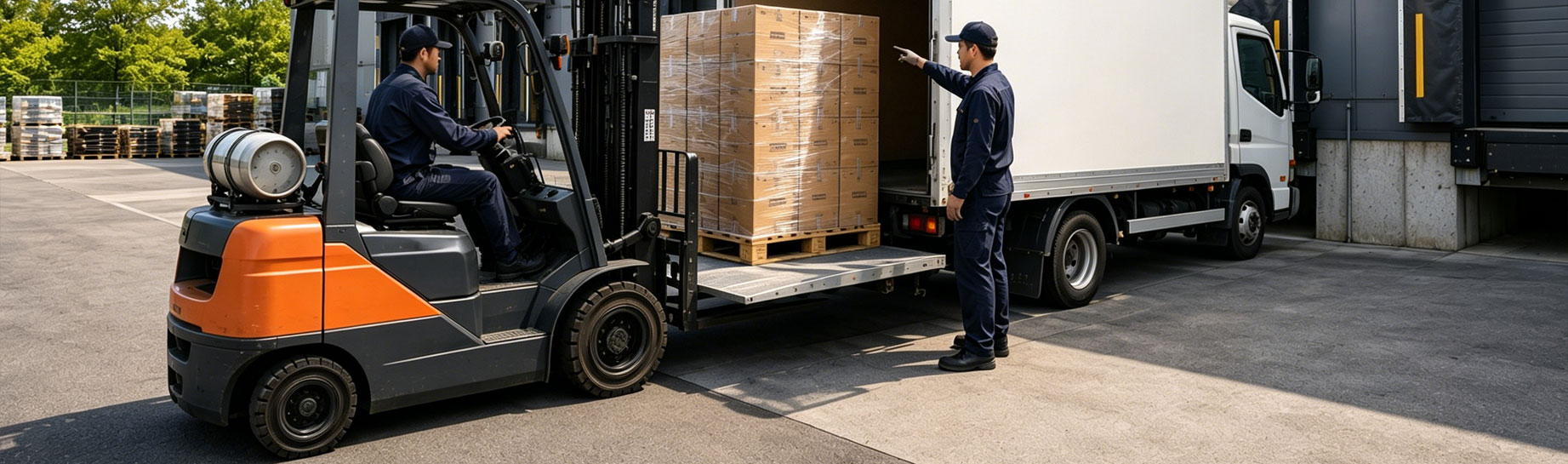
Knowing how to use a tail lift safely matters more than most new drivers realize. Some lessons only stick after you’ve learned them the hard way. Most new drivers spend their first solo run thinking about the route and the delivery address. The tail lift is usually the thing they figure they’ll deal with “when they get there.” That’s exactly the problem. You pull up, the goods are loaded, and suddenly the lift won’t budge. Or worse, it’s swaying under a load in a way that makes your stomach drop.
Learning how to use a tail lift safely isn’t complicated. It doesn’t require memorizing a thick manual. It comes down to a handful of small habits that experienced drivers pick up over years, but rarely think to pass on. This guide walks through the mistakes that trip up most new operators, and what to do instead.
How to Use a Tail Lift Safely Before You Move
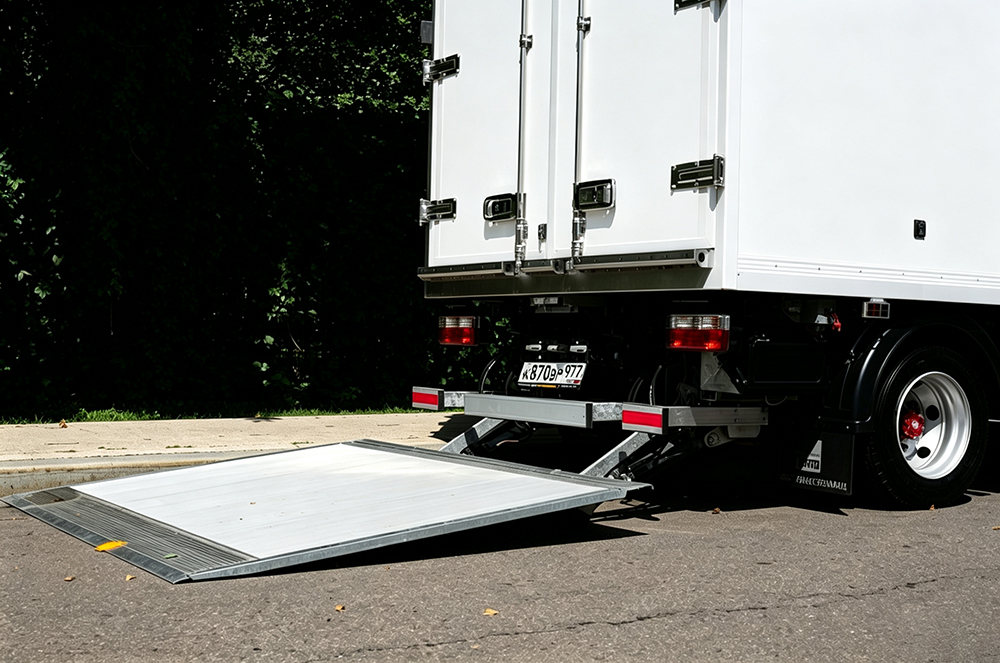
Most tail lift problems don’t start on the road. They start in the yard, before the truck ever leaves. This is the stage new operators skip most often, simply because nothing looks obviously wrong yet.
Run a No-Load Test First
A lot of new operators assume a tail lift is sturdy enough that it won’t just fail on you. In reality, tail lifts tend to run into trouble not from being used too much, but from sitting idle. Long stretches without movement let hydraulic components stiffen up. Seals dry out. Exposure to rain, road grime, and general weather buildup quietly corrodes hinges and bearing points over time. None of this shows up until the moment you actually need the lift to work. That’s usually the worst possible time to find out.
A simple pre-trip routine covers most of this risk:
- Walk around the lift and check for visible damage, leaks, or loose fittings.
- Run the platform up and down once with no load on it.
- Listen for grinding, clunking, or hesitation during the cycle.
- Confirm the platform folds fully into its stowed position.
This takes under a minute, but it’s the difference between catching a problem in your own yard and discovering it outside a customer’s door. It does more for real-world safety than memorizing the full set of operating instructions ever will.
Know Where Your Control Unit Is
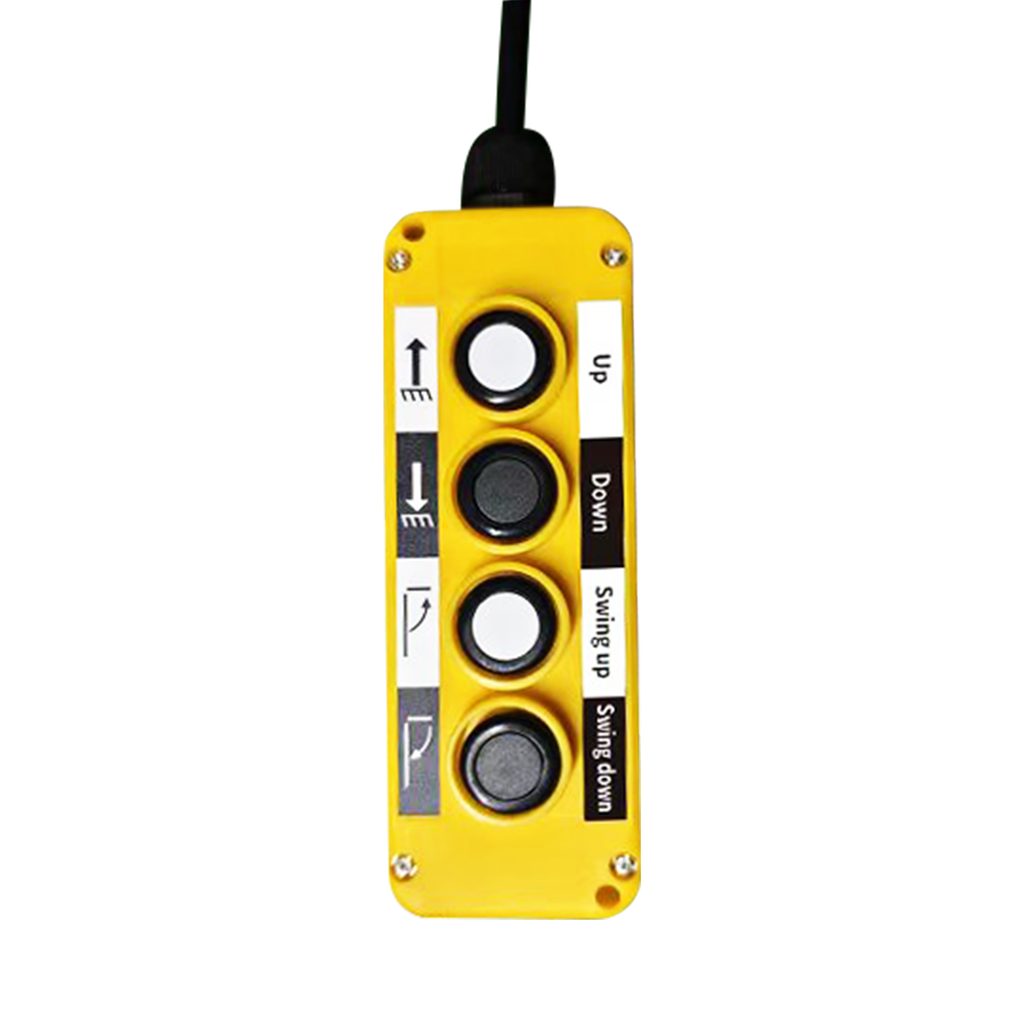
The control unit doesn’t look like a big deal. Lose it, or fail to plug it in properly, and the entire lift is out of action. New operators often toss it wherever’s convenient in the cab. Then they can’t find it the moment they actually need it.
- Keep the control unit in the same fixed spot every time.
- Check it’s present and functioning before leaving the yard.
- Confirm the connection cable isn’t damaged or pinched from the last close-out.
It’s a small habit, but it saves a disproportionate amount of hassle down the line.
How to Use a Tail Lift Safely While Loading and Unloading
This is where most new-operator mistakes actually happen. It’s not because the equipment is unpredictable. It’s because the environment around it changes every single stop.
Watch Your Footing, Not Just the Load
Ask most new drivers about tail lift safety, and they’ll immediately think about load capacity or platform sturdiness. But a large share of falls and injuries around tail lifts have little to do with the equipment itself. They come down to where the operator is standing and what’s underfoot. Safety research into commercial vehicle operations has repeatedly found that trip-and-fall incidents connected to tail lift use number in the thousands each year. These incidents carry real economic costs alongside the injuries themselves.
Within the industry, there’s broad agreement on one point: most tail lift injuries trace back to operator positioning and behavior, not equipment failure.
New operators, in a hurry to get the load moving, often lean forward with the pallet instead of staying balanced. Some step onto the platform without checking their footwear for grip. Slowing down and keeping your weight centered matters more than speed. The lift won’t go any faster because you’re rushing. Rushing is usually where things go wrong.
Check the Ground Before You Start
Parking on whatever patch of ground is closest is a common shortcut, and a risky one. If the vehicle sits on a slope, the platform tilts along with it. Anything not firmly secured can start sliding the moment it’s on the lift.
Before operating on anything other than flat ground, work through this quickly:
- Identify which direction the ground slopes.
- Choose level ground if it’s available nearby, even a short repositioning helps.
- If level ground isn’t an option, lower the load height and reduce load size per trip.
- Double-check that cargo is secured before raising or lowering the platform.
It’s not a technical skill. It’s a habit of pausing to look before acting.
Learn What the Warning Lights Mean
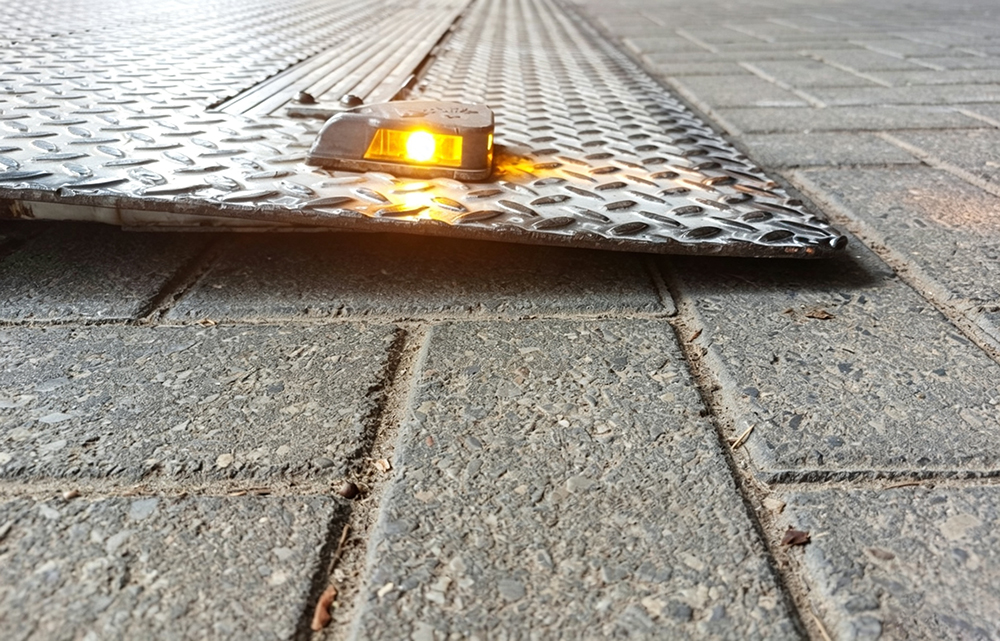
Most new drivers have no real read on what the tail lift warning lights on their unit actually mean. As long as it still moves, the light gets ignored. But those indicators typically exist to flag something specific:
- Abnormal hydraulic pressure
- A safety interlock that hasn’t engaged properly
- A fault the system has already detected
Ignoring them means missing an early warning. The problem becomes impossible to ignore only once it’s already serious. Taking ten minutes to learn what your unit’s indicators mean pays for itself many times over, compared to troubleshooting blind after something’s already gone wrong.
Operating a Tail Lift Safely When Something Feels Off
Every tail lift eventually gives some kind of resistance. The question is whether the operator treats that as a warning or an obstacle to push through.
Don’t Push Through Resistance
Overloading, rough handling, and forcing a mechanism that’s already showing resistance are consistently cited as the leading human factors behind tail lift damage. Technicians who service this equipment regularly point out that most mechanical failures don’t come from ordinary day-to-day use. They come from pushing a load past its rated capacity. Or from an operator deciding to “push through it” the moment the lift starts feeling stiff, instead of stopping to check.
When a tail lift starts moving unevenly, that’s the equipment telling you something. A few signs worth treating as a hard stop, not a minor annoyance:
- Jerky or uneven movement during a normal cycle
- Unusual noise that wasn’t there on the pre-trip check
- The platform stopping partway with no clear reason
- Visible fluid leaks around the hydraulic lines
Forcing the lift through any of these risks turning a minor issue into a serious fault. It also puts the operator directly in the path of whatever fails next.
Building Long-Term Confidence in Safe Tail Lift Operation
The mistakes above are all things you can fix with better habits. This last part is about closing the knowledge gap underneath those habits.
Understand the Basics of How It Works
Plenty of drivers operate a hydraulic tail lift every day without really understanding what’s happening underneath. The motor, pump, and cylinder work together to raise and lower the platform. It’s not complicated once you see it laid out. But knowing even the basics makes a real difference the moment something feels off. It becomes much easier to tell a minor issue apart from something that genuinely needs a technician.
If you want to build that foundation properly, it’s worth spending time with a resource that walks through the mechanics and different configurations of hydraulic truck tail lifts. Understanding how the system is built tends to be the fastest way for a new operator to stop feeling like they’re guessing.

Consider Formal Training
None of these mistakes happen because new operators are careless. They happen because nobody spells out how to use a tail lift safely ahead of time. Most experienced drivers picked up these habits the same way, by getting caught out once and adjusting after. Once you’re familiar with your own tail lift equipment, these checks stop feeling like a checklist. They become second nature.
If formal training is available to you, it’s worth taking. It shortens the learning curve considerably compared to figuring it all out on the job.
FAQ
How to use a tail lift safely for the first time?
Start with a no-load test before you leave the yard. Keep the control unit in a fixed, easy-to-find spot. Stay aware of your footing and the ground’s slope whenever you’re loading or unloading. Most safety issues come from rushing or skipping these basic checks, not from the equipment itself.
What causes most tail lift accidents?
A large share of incidents trace back to operator behavior rather than equipment defects. Overloading, forcing a resisting mechanism, poor footing, and operating on uneven ground are among the most common contributing factors.
What do tail lift warning lights usually mean?
They typically indicate something specific, such as abnormal hydraulic pressure or a safety interlock that hasn’t fully engaged. Warning lights shouldn’t be ignored just because the lift still appears to function. They’re an early signal, not a formality.
Why does a tail lift develop faults even when it isn’t used heavily?
Long periods of inactivity can be just as hard on a tail lift as frequent use. Hydraulic seals can stiffen. Exposure to moisture and road grime can lead to corrosion in hinges and joints over time. That’s why a quick functional check before each trip matters, even on lifts that aren’t used every day.
Is formal tail lift operator training worth it for a new driver?
Yes. Training typically covers proper loading technique, load positioning, and how to recognize early signs of a developing fault. These take much longer to learn through trial and error on the job.
Trusted by Fleet Operators Across 60+ Countries
Stop Losing Time at the Loading Dock.
Get a Custom-Matched Tail Lift Quote in 24 Hours.
60
Countries Served
24h
Quote Turnaround
99.9
Field Uptime
5.0
Customer Rating
No Obligation
CE & UKCA Certified
Standard & Custom Builds
Worldwide Shipping