Having trouble submitting? Email us directly at nicole@beauway.com and we'll get back to you within 24 hours.











Tail Lift Lifespan: What Actually Shortens It
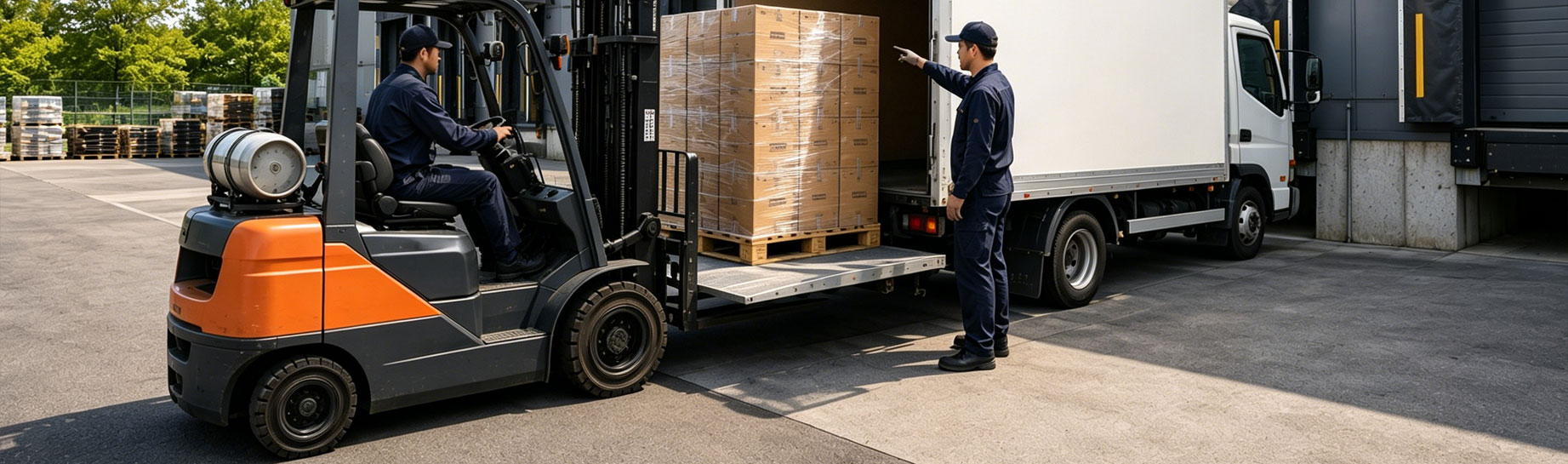
Two trucks sit in the same depot. They’re the same model, the same age. One runs multiple drops a day, rain or shine. The other sits idle three days a week on a lighter route. Which truck needs a hydraulic repair first? Most fleet managers guess the busy one. But tail lift lifespan rarely follows that logic — and in a lot of fleets, the quiet truck breaks down first.
What Actually Determines Tail Lift Lifespan
Niven Whiteoak, managing director at Fleet Assess, put it plainly in a recent industry interview. Inactivity, not overuse, causes most tail lift failures. That sounds backwards. Tyres wear from driving. Brakes wear from braking. Engines wear from running. A tail lift plays by different rules.
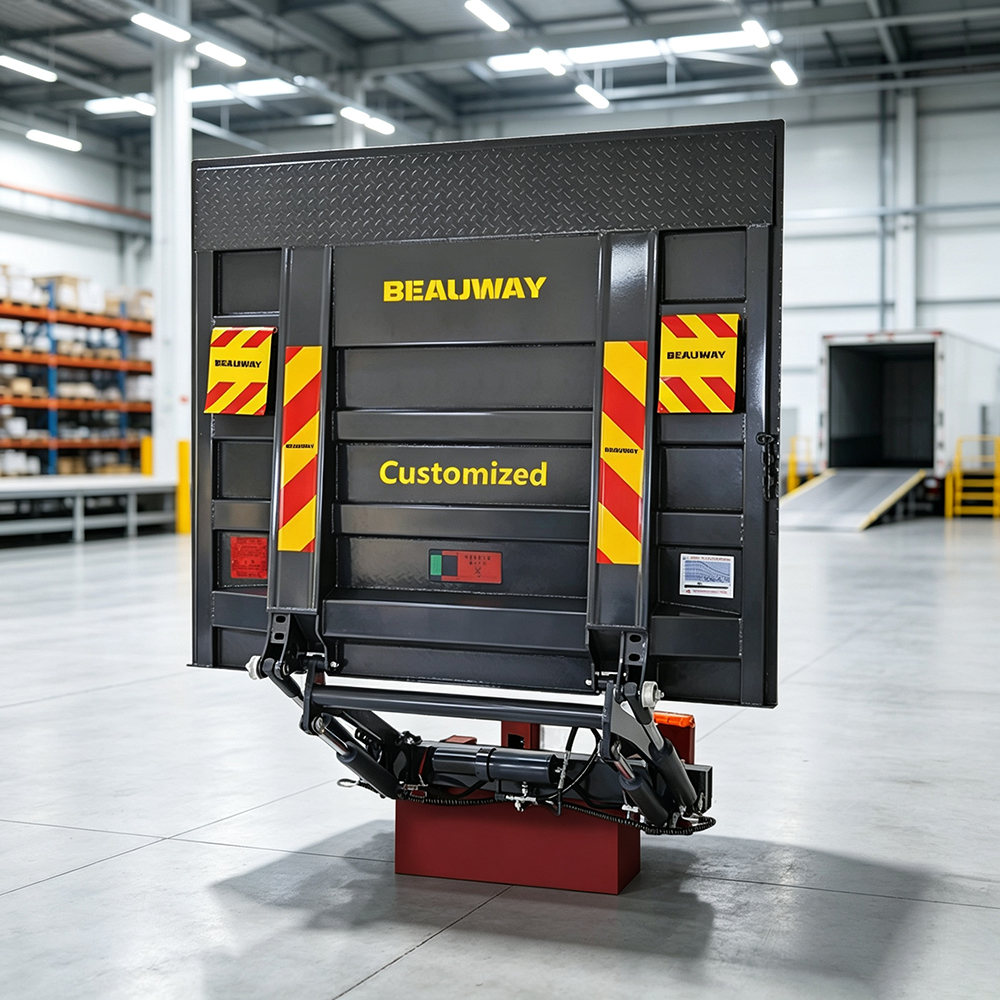
A tail lift is a hydraulic or electro-hydraulic platform. It hinges and pivots at multiple points. Manufacturers design it to move through a full cycle every time someone uses it. That single fact drives almost everything below: regular motion protects tail lift lifespan; long idle stretches shorten it.
Why Idle Time Shortens Tail Lift Lifespan Faster Than Use
A tail lift’s joints, bearings, hinge points, and hydraulic cylinders need to move. Movement keeps grease distributed. It keeps seals flexing. It keeps road grime from settling where it shouldn’t.
When a lift sits unused for days, none of that happens:
- Rainwater and road salt seep into joints and hinge points and simply sit there
- Grease that regular cycling would normally work through a bearing hardens in place instead
- Corrosion builds quietly, with no visible symptoms — until someone needs the lift and it won’t move right
Forcing a Stuck Lift Does the Real Damage
Corrosion alone rarely wrecks a tail lift’s lifespan. The real damage happens after — when someone forces the mechanism instead of reporting it. A driver under deadline notices the platform sticking. Instead of stopping to flag it, they push the control harder or shove the frame to free it up.
That single moment of force causes the expensive failures: a bent lift arm, a runner knocked out of alignment, a mounting point stressed in a direction engineers never designed for.
A tail lift can tolerate years of dormant corrosion. It can’t tolerate being forced through it.
The Inspection Blind Spot That Cuts Tail Lift Lifespan Short
Workshops naturally prioritize high-mileage trucks. A truck running five drops a week doesn’t stand out during a walk-around the way a heavily used one does. So the unit most likely to be quietly seizing up gets the least attention.
This flips the usual maintenance logic. Fleets schedule high-mileage vehicles for service more often, assuming use creates wear. Applied to a tail lift, that same logic skips exactly the vehicles that need a check most.
Where it shows up first: a hinge pin or pivot bushing. These small parts sit right where water collects. A pin that should rotate freely starts to bind slightly. By the time someone notices, a five-minute grease job has usually become a full removal and replacement.
Five Operating Habits That Reduce Tail Lift Lifespan
Idle time explains a lot of unexpected failures. But daily operating habits still cause plenty of damage — and drivers rarely know which habits matter most.
| Habit | How It Cuts Tail Lift Lifespan Short |
|---|---|
| Working right at capacity, repeatedly | A relief valve stops a single overload event, but months of cycling at the rated limit quietly wears down seals, cylinders, and arms |
| Snap starts and hard stops | Jabbing the platform into motion and slamming it to a stop sends far more shock through the arms, pivots, and seals than a steady hand does |
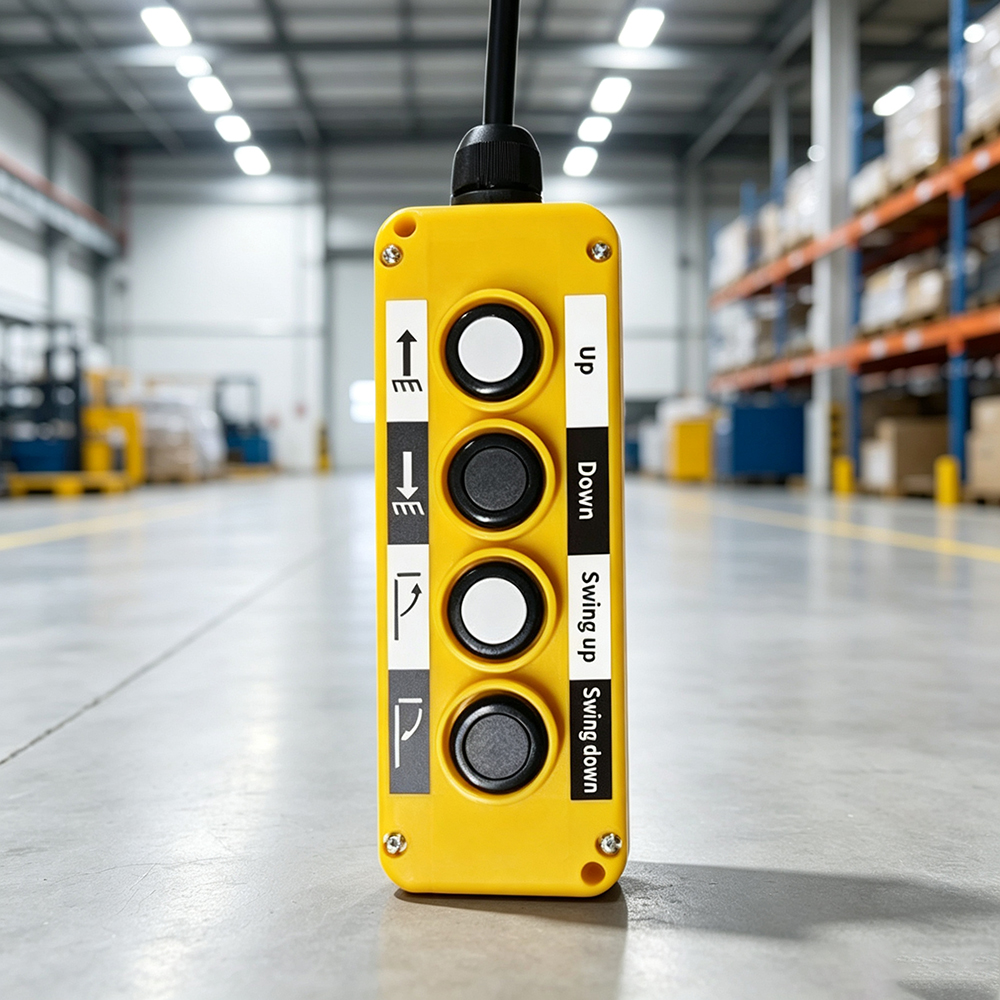
| Holding the control past position | Idealease’s driver guidance is direct: release the control once the platform reaches bed level. Holding it strains a motor that has nowhere left to go |
| Mixing hydraulic oil brands | Maxon’s manuals warn against this specifically. Different additive packages can degrade seal performance faster than either product alone |
| Loading one side repeatedly | Engineers built the arms and cylinders to share load evenly. Uneven loading, repeated over hundreds of trips, tilts the platform or wears one runner faster |
None of these habits look dramatic on their own — which is exactly why they persist. Nobody trains drivers to avoid them, because none causes an immediate, visible problem.
Grant Williamson, director of Training 4 Tail Lifts, sees this firsthand. He cites overloading, striking equipment, and general misuse as the leading causes of damage.
The Missing Part That Costs Fleets Lift Lifespan — Without Ever Breaking
Not every service disruption comes from hydraulics or corrosion. Williamson’s second example is more mundane, and probably more common than most fleet managers realize.
Drivers sometimes forget the wander lead — the handheld cable that lets an operator control the platform from the ground. It gets left in a cab, forgotten at a previous stop, or simply not plugged back in. Without it, a fully functional lift becomes completely unusable.
| Cracked Cylinder | Missing Wander Lead | |
|---|---|---|
| Generates a work order? | Yes | No |
| Shows up in maintenance budget? | Yes | No |
| Operational impact | Truck off-road | Truck off-road |
A fleet that measures lifespan only through logged hydraulic failures misses an entire category of downtime. That downtime never touches the hydraulics at all.
Why Training Gaps Shorten Tail Lift Lifespan
The industry understands overloading, harsh cycling, and mixed oils well. So why do these mistakes keep causing early failures?
Williamson points to training, not equipment. Watching a video isn’t proper training, he says. Most depots show new operators which two buttons raise and lower the platform, then call that sufficient. Nobody explains why smooth operation matters, or why releasing the control at bed level protects the motor.
The regulatory gap: In the UK, Regulation 9 of the Provision and Use of Work Equipment Regulations requires adequate training for anyone using lifting equipment. But the word “adequate” leaves room for interpretation, and training quality varies widely between operators.
What training usually looks like in practice: a five-minute walkthrough on day one, delivered by whoever’s free rather than whoever knows the equipment best. Refreshers rarely happen. Almost nobody explains why a rule exists — they just state the rule.
The reporting culture problem: Early reporting keeps repairs cheap. A lift that starts catching, or makes an unfamiliar noise, costs little to fix if someone flags it right away. Drivers who fear that reporting a minor issue looks like complaining will quietly work around it instead. That workaround turns a five-minute adjustment into a multi-day repair.
What Really Determines Tail Lift Lifespan
This isn’t about one dramatic failure. It’s about why one of two identical trucks needs a hydraulic rebuild at year four, while the other lasts until year nine.
Three low-visibility factors decide tail lift lifespan:
- Whether an idle truck still gets inspected — not because it’s worked hard, but because it hasn’t worked at all
- Whether operators understand why habits matter, not just which two buttons make the platform move
- Whether small issues get reported the same day — a stuck joint, an odd noise, a missing wander lead — instead of getting worked around
None of these fixes cost much:
- Cycling a quiet vehicle’s lift during a weekly walk-around takes a couple of minutes
- Explaining why a habit matters, once, during onboarding costs nothing beyond the conversation
- Encouraging same-day fault reporting only requires a change in tone from whoever runs the depot
Compare that to the cost of an early hydraulic rebuild — parts, labour, and a truck off the road. The asymmetry becomes obvious once you see it.
The Bottom Line on Tail Lift Lifespan
Any tail lifts manufacturer can build a unit rated for hundreds of thousands of cycles. But the manufacturer barely influences whether a given unit reaches that number. What happens to the lift every day on the road — including the days nobody uses it — decides that instead.
The trucks that get the longest tail lift service life aren’t necessarily the ones fleets treat most gently. They’re the ones where somebody decided that a quiet week wasn’t a reason to stop paying attention to their tail lift parts.
Trusted by Fleet Operators Across 60+ Countries
Stop Losing Time at the Loading Dock.
Get a Custom-Matched Tail Lift Quote in 24 Hours.
60
Countries Served
24h
Quote Turnaround
99.9
Field Uptime
5.0
Customer Rating
No Obligation
CE & UKCA Certified
Standard & Custom Builds
Worldwide Shipping