Having trouble submitting? Email us directly at nicole@beauway.com and we'll get back to you within 24 hours.











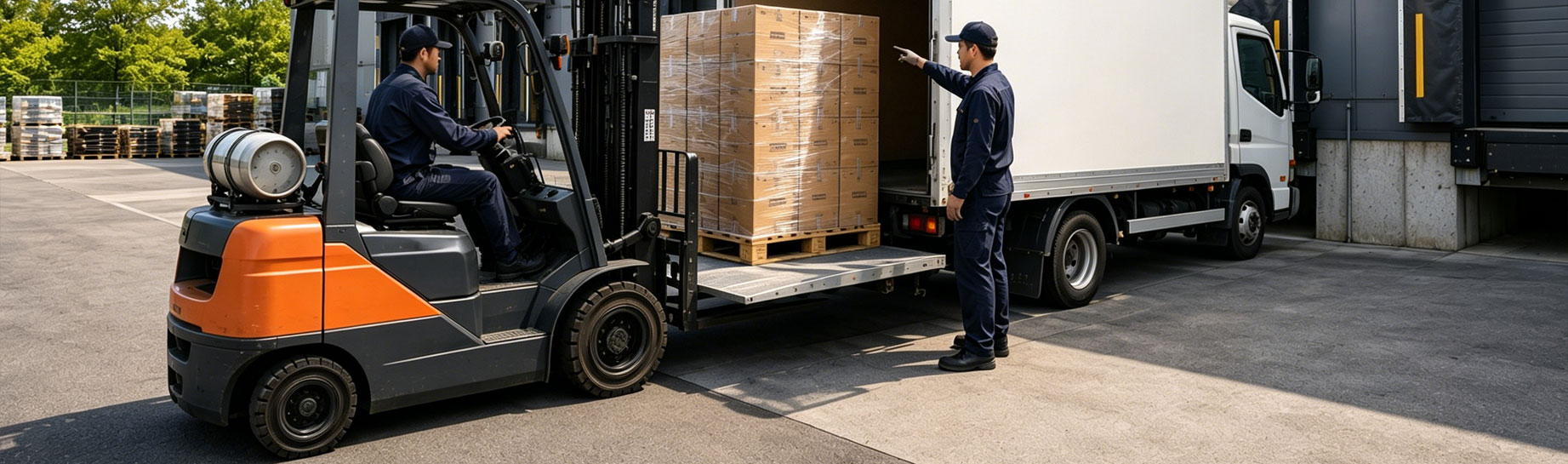
Why Fleets Are Switching to Lightweight Aluminum Liftgates: TCO Guide
Fleet managers in North America face constant pressure, especially when an aluminum liftgate is chosen to optimize daily delivery routes. Fuel prices fluctuate, maintenance bills climb, and profit margins shrink. Every extra pound on a commercial vehicle chassis is a direct tax on payload and fuel. For years, traditional steel equipment ruled the market simply because it was standard practice. Today, tightening operating budgets, stringent environmental rules, and fierce delivery deadlines force logistics operations to rethink specs.
Slashing deadweight without sacrificing strength changes route economics. Heavy steel systems place punishing loads on vehicle suspensions, brakes, and powertrains. When weighing initial purchase prices against multi-year total cost of ownership, material science proves invaluable. This guide explores why moving to a lightweight cargo truck transforms fleet performance. It covers TCO math, corrosion durability, driver ergonomics, and long-term asset value.
The payback period for transitioning from heavy steel to an aluminum liftgate usually happens within the first 18 months of urban route deployment.
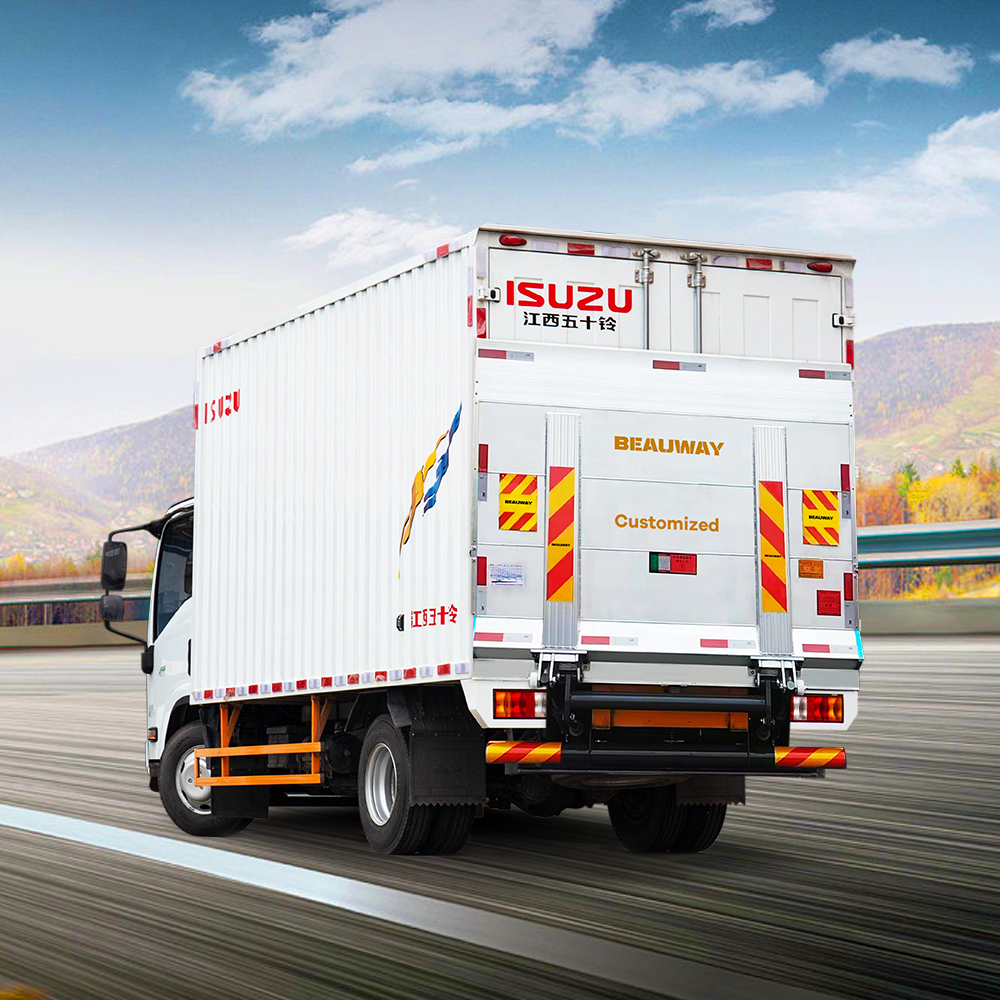
Aluminum liftgate platform mechanics and the weight penalty
Fleet physics are stubborn. Every pound of unnecessary weight on the rear end steals revenue cargo space. Traditional steel setups gained popularity decades ago due to low upfront price tags. Yet, steel brings a massive structural penalty. A standard steel platform weighs drastically more than an aluminum liftgate platform, forcing operators to leave valuable freight behind to stay compliant with Gross Vehicle Weight Rating limits.
Why steel drag hurts your bottom line
- Deadweight displacement: Extra equipment weight eats into maximum allowable payload per trip.
- Component strain: Excess rear-end weight batters vehicle chassis, leaf springs, and shock absorbers.
- Fuel consumption burn: Hauling unladen deadweight burns extra diesel or electricity every single mile.
The engineering power of modern alloys
Aluminum flips the script by offering an incredible strength-to-weight ratio. Modern manufacturing uses extruded profiles to build an advanced aluminum liftgate platform that matches steel rigidity while shedding up to 50% of the deadweight. That drop instantly restores your payload capacity. Lighter platforms also demand less hydraulic muscle, cutting electrical draw on alternators during multi-stop urban shifts.
Extruded aluminum absorbs heavy impact energy while resisting permanent deformation during severe temperature swings.
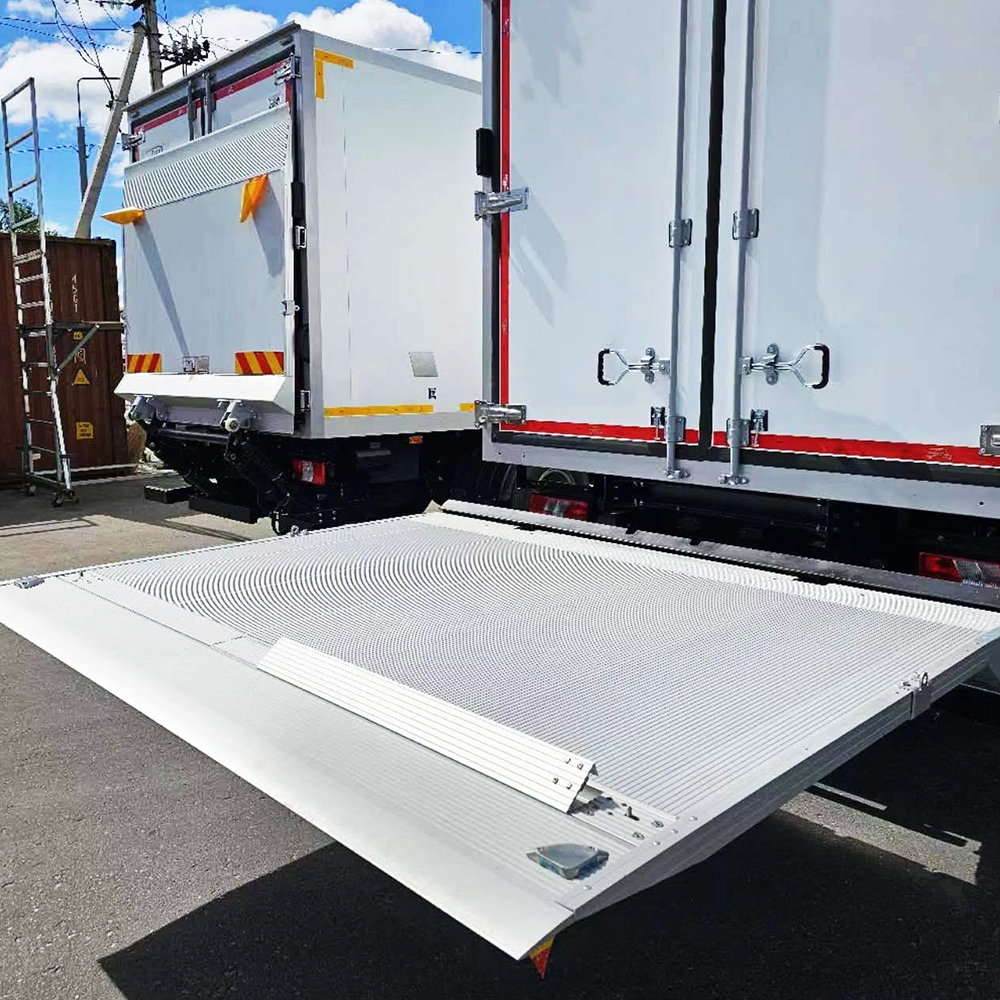
Liftgate weight capacity and corrosion resistance
If your trucks run across the North American Rust Belt, you know what winter road brine does to traditional metals. Traditional steel systems are vulnerable to oxidation. Once a scratch penetrates the coating, rust creeps invisibly beneath the surface, leading to structural decay and expensive welding bills.
How aluminum fights back against the elements
- Natural oxide layer: Aluminum reacts with oxygen to form a tough, self-healing protective layer that stops deep rust.
- Chemical shielding: High-grade aluminum alloys shrug off aggressive road de-icers without pitting.
- Maintenance savings: Operations running through severe winter weather eliminate annual budgets for rust remediation.
Maximizing asset value safely
Because an upgraded load capacity setup resists corrosion effectively, the hardware frequently outlives the initial vehicle chassis. When a truck hits retirement age, smart fleet managers unbolt the aluminum unit, service it quickly, and remount it onto a new chassis. This trick extends equipment lifecycles and boosts residual liquidation value.
Fuel economy, payload optimization, and total cost of ownership
Looking only at invoice prices when buying equipment is a rookie mistake. Real TCO calculation demands evaluating acquisition costs, ongoing maintenance, fuel consumption, and payload value. Yes, aluminum systems cost more upfront. However, operational savings roll in fast.
Step-by-step fleet TCO calculation framework
- Audit baseline weight deltas: Calculate the exact pound difference between legacy steel models and aluminum upgrades.
- Compute fuel and energy burn: Multiply weight reduction by annual fleet mileage to figure out fuel savings.
- Value the extra payload: Determine revenue generated by carrying heavier freight per trip over the vehicle’s lifespan.
- Subtract maintenance overhead: Factor in money saved by skipping rust repairs and shop downtime.
When you add up these numbers, the ROI timeline becomes clear. Fleets running tight urban delivery grids see immediate savings. Furthermore, as operators transition toward commercial electric trucks, minimizing auxiliary power draw and unladen weight is essential to protect driving range and battery health. Sometimes fleets utilize a temporary liftgate truck rental during peak surges, where efficiency remains vital.
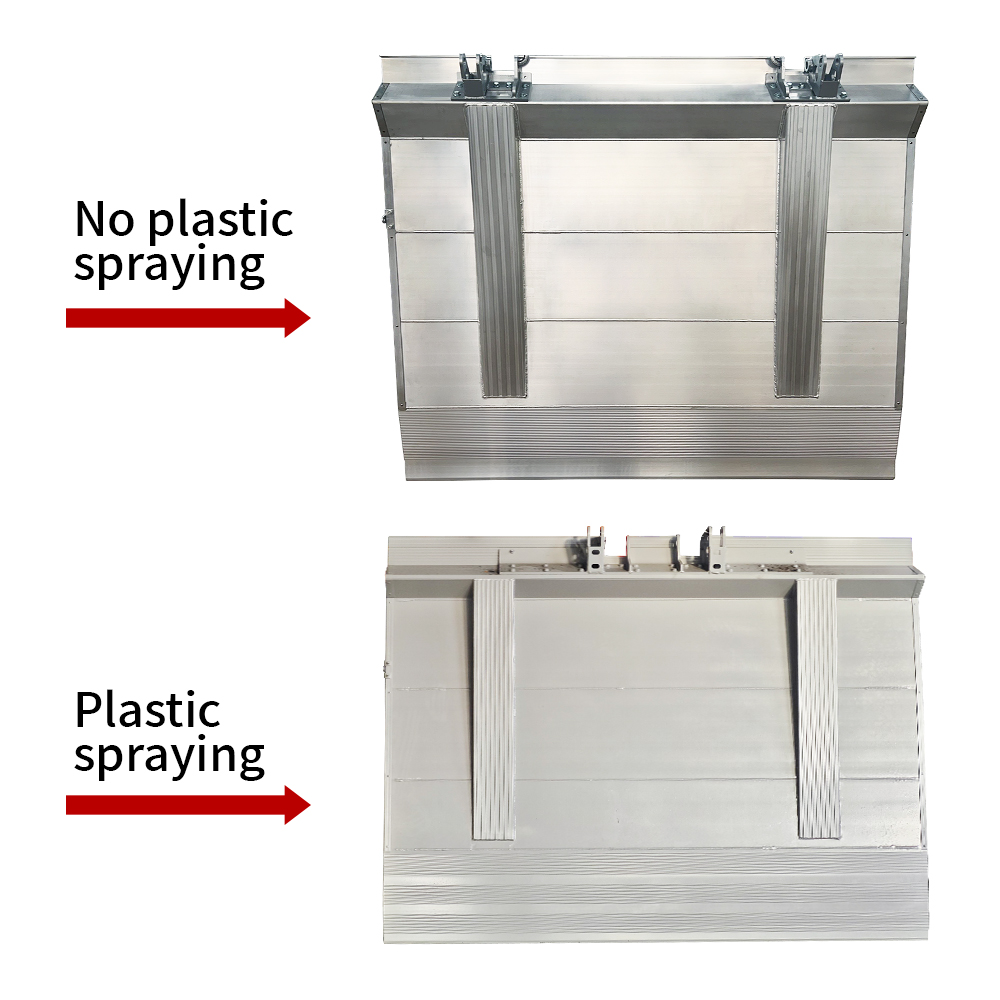
Operator ergonomics, workplace safety, and ESG standards
Fleet management is about people. In tight labor markets, keeping drivers healthy and on the job is a top priority. Manual handling of heavy steel components exposes workers to severe back strains and repetitive motion injuries. These mishaps lead to lost workdays, skyrocketing workers’ comp claims, and turnover.
Protecting your workforce and boosting safety
- Reduced physical strain: Lighter folding platforms require noticeably less muscle power from drivers.
- Anti-slip traction: Extruded surfaces feature integrated grip profiles designed to maintain boot traction in rain, snow, and ice.
- Fewer injuries: Cutting down on daily physical fatigue correlates with a drop in musculoskeletal worker injuries.
Hitting ESG and sustainability targets
From an ESG standpoint, switching to lightweight components is a massive win. Lower fuel consumption means fewer greenhouse gas emissions per ton-mile moved. Shedding deadweight is one of the fastest ways to shrink your carbon footprint.
Your fleet upgrade roadmap
Transitioning a commercial fleet from heavy steel to lightweight aluminum requires a disciplined rollout plan:
- Inspect existing inventory: Check current vehicle ages and maintenance logs to spot high-corrosion units ready for a retrofit.
- Review route profiles: Map out urban versus line-haul routes to figure out where weight savings pay off fastest.
- Run a pilot program: Outfit a small test group of trucks with an aluminum liftgate to track driver feedback and fuel data for six months.
- Train shop technicians: Get your internal team up to speed on maintenance guidelines, whether for owned vehicles or a commercial box truck with liftgate setup.
A structured rollout lets you manage capital expenses smoothly while proving real-world numbers before full-scale conversion.
Frequently asked questions about aluminum liftgate systems
How much weight can a fleet realistically save by switching to an aluminum liftgate?
Switching to a high-strength aluminum design typically trims component deadweight by 40% to 50%. This pulls hundreds of pounds off the rear axle, giving you an immediate boost in payload capacity.
Do aluminum liftgates cost more upfront than steel models?
Yes, initial purchase prices are higher due to advanced material engineering. However, TCO calculations show that long-term fuel savings and zero corrosion repair bills quickly offset this gap.
How does aluminum handle severe winter road salts and de-icing chemicals?
Unlike steel, which starts rusting the moment its paint chips, aluminum forms a self-healing oxide layer when exposed to oxygen. This natural defense shrugs off aggressive winter road salts and chemical brines.
Can an aluminum liftgate be transferred to a new chassis when a truck is retired?
Yes, absolutely. Because aluminum units resist corrosion and maintain structural strength over years of abuse, managers can unbolt the liftgate during vehicle retirement and mount it onto a new chassis.
How do lightweight liftgates support commercial electric truck adoption?
As fleets introduce battery-electric commercial trucks, keeping vehicle weight down preserves driving range and battery lifespan, conserving valuable kilowatt-hours.
Where can fleets get support for ongoing maintenance?
Whether managing a dedicated box truck fleet, utilizing a liftgate truck rental, or scheduling professional liftgate service, proper maintenance ensures peak lifecycle performance.
Conclusion and future outlook for commercial logistics
The North American logistics landscape evolves rapidly. With shifting fuel expenses, stricter environmental rules, and persistent labor shortages, managers cannot afford heavy legacy hardware. Moving to an advanced aluminum liftgate offers a clean break from outdated habits, delivering better fuel efficiency, maximum payload potential, and safer working conditions for long-term success.
Trusted by Fleet Operators Across 60+ Countries
Stop Losing Time at the Loading Dock.
Get a Custom-Matched Tail Lift Quote in 24 Hours.
60
Countries Served
24h
Quote Turnaround
99.9
Field Uptime
5.0
Customer Rating
No Obligation
CE & UKCA Certified
Standard & Custom Builds
Worldwide Shipping