Having trouble submitting? Email us directly at nicole@beauway.com and we'll get back to you within 24 hours.











How Tail Lifts Integrate with Other Warehouse Equipment
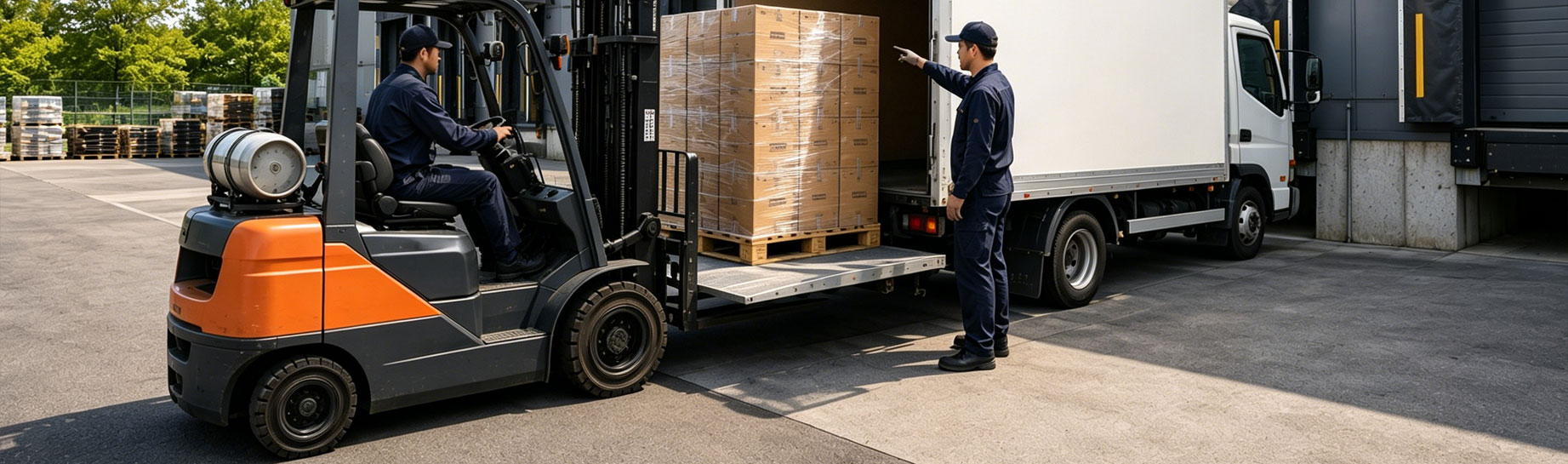
Tail lift integration means matching a vehicle-mounted lifting platform to the equipment it works alongside. This includes forklifts, pallet jacks, conveyors, and loading docks. The match needs to work across three areas: dimension, control logic, and load capacity.
A tail lift can run perfectly well on its own and still slow down the handling process if it doesn’t match the surrounding equipment. Many warehouses buy a tail lift to standard specifications. Only after they put it to work do they discover problems: the platform height doesn’t line up with the dock, or a forklift’s turning radius leaves too little clearance during loading. This kind of mismatch tends to show up when a fleet mixes vehicle types, or when a facility upgrades its handling equipment after installing the tail lift. In most cases, the equipment itself isn’t defective — the buyer simply didn’t check compatibility before purchase.
Why Equipment Compatibility Affects Overall Efficiency
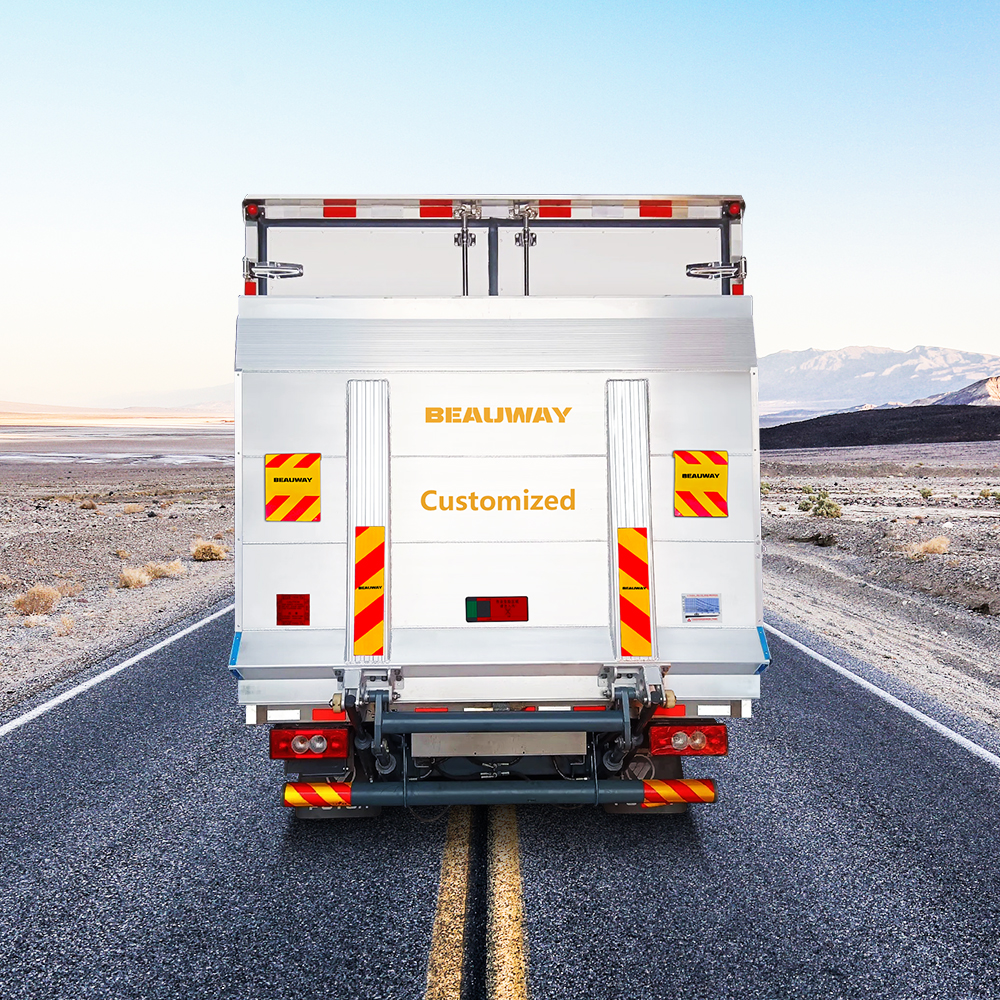
A tail lift system doesn’t operate in isolation. It sits at the interface between the vehicle, the ground or dock, and whatever equipment moves the load from there. When that interface matches well, two things generally improve:
- Handling speed — equipment can move on and off the platform without hesitation, realignment, or manual adjustment
- Operational safety — a platform that fits and rates correctly for its equipment lowers the risk of tipping, overload, and pinch-point incidents during transfer
Neither of these depends on the tail lift being more powerful or more expensive. In most cases, success depends on whether the buyer specified the platform’s dimensions, weight rating, and control response with the paired equipment in mind.
How to Tell if an Integration Assessment Is Needed
Not sure whether a truck tail lift fits the equipment on site? These checks are a reasonable starting point:
- Measure the aisle or approach width for on-site equipment such as forklifts and pallet jacks. Compare it to the platform’s actual width and confirm there’s no gap or interference.
- Verify that the platform’s rated capacity covers the combined weight of the equipment plus its load — not the load alone.
- Check the height difference between the dock and the floor level of each vehicle type in the fleet. Confirm the platform’s adjustable range covers the full span.
- Confirm whether automated equipment, such as a conveyor, is already in place or planned. If so, check whether the tail lift’s control system supports a linked interface.
- Review the platform’s surface material and anti-slip design against the equipment’s wheel type. Pallet jacks, for instance, are more sensitive to surface transitions because of their smaller wheels.
If any of these checks reveal a clear mismatch, the current setup will likely lose efficiency or create a safety risk during regular use. An integration assessment is worth pursuing.
Common Equipment Tail Lifts Integrate With
Tail lift equipment most often pairs with the following categories, each with its own priorities.
Forklifts are the most common pairing. The platform needs enough width and load rating to carry the forklift and its load together, not the cargo alone. Anti-roll-back features and clear edge marking matter more here than with manually pushed equipment. A moving forklift generates more momentum, so an unexpected shift carries more risk.
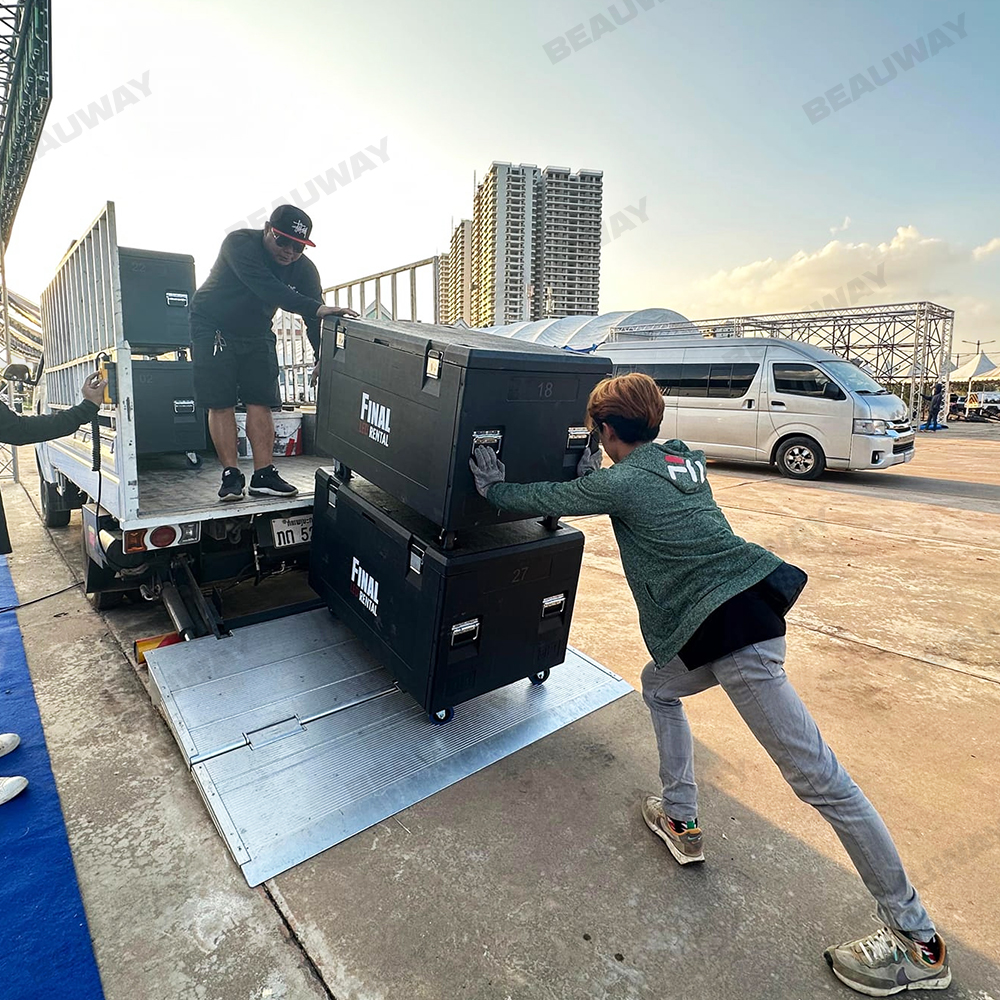
Pallet jacks are more sensitive to surface transitions than forklifts. A tail lift platform with a smooth, low-friction surface makes a noticeable difference here. The same goes for a shallow transition angle between the platform and the truck bed or ground — a jack’s small wheels can catch on even minor lips or gaps.
Conveyor systems represent the most demanding integration case, because the challenge isn’t purely physical — it’s timed. The lift’s raise and lower cycle has to match the conveyor’s running speed. Sensors and a control interface typically handle this, rather than a simple mechanical connection.
Loading docks introduce height variation between the dock and different vehicle floor heights that’s easy to overlook, especially across a mixed fleet. The lift’s adjustable range needs to cover the full span of height differences the operation actually encounters, not just the average case.
Specification ranges for platform size, capacity, and lift height vary by model. The tail lift platform range is a reasonable starting point for comparing what’s available against a given equipment setup before committing to a spec.
Technical Factors That Affect Tail Lift Integration
Three areas tend to determine whether an integration runs cleanly or causes recurring problems.
Electrical compatibility. Where the paired equipment runs on power — a conveyor or automated dock system, for example — the tail lift and that equipment need to align on voltage level, grounding, and connector type. A mismatch in any of these can cause the linkage to fail or create an electrical safety issue.
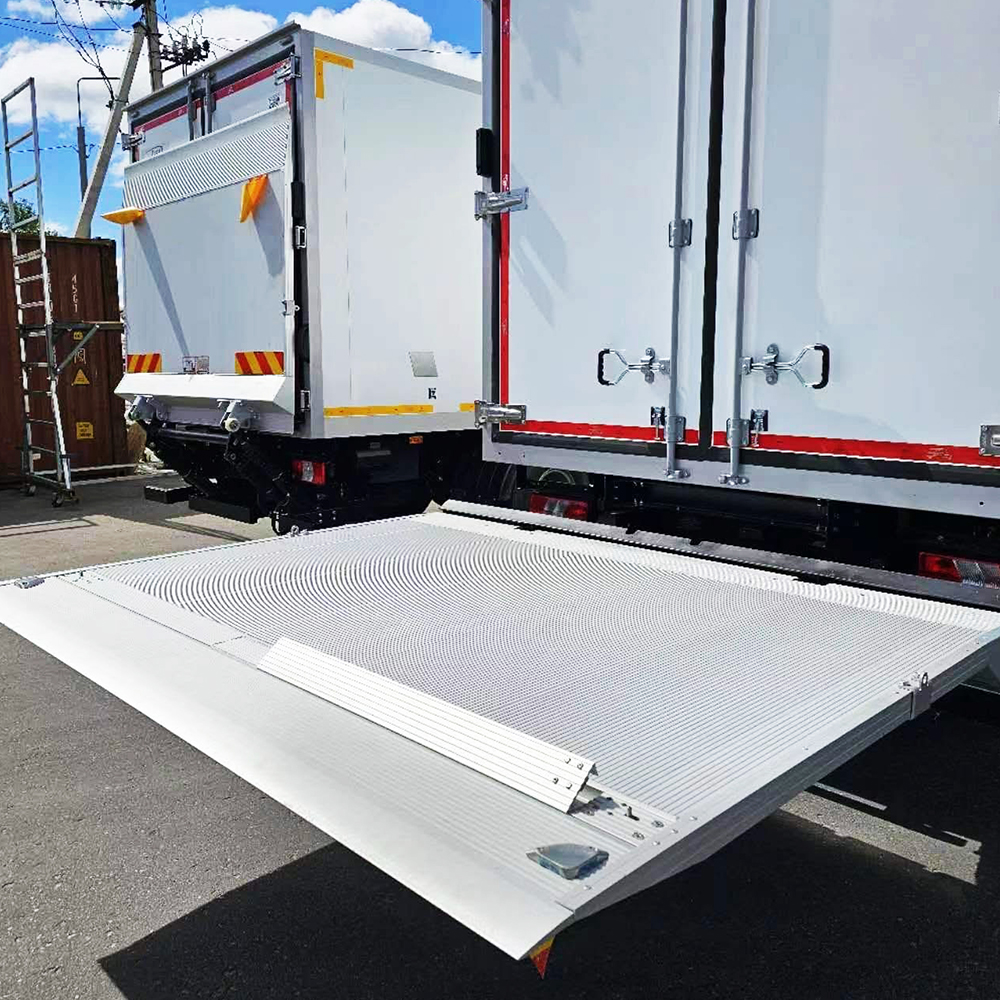
Mechanical fit. Platform height, width, and clearance need enough margin for the paired equipment to enter and exit without binding. This matters particularly with a hydraulic tail lift mechanism. Hydraulic response speed directly affects how much clearance the setup actually needs — a slower-responding system generally needs more buffer space.
Control coordination. Where equipment needs to move in sequence rather than independently, sensors, switches, or a programmable logic controller typically keep the lift and the connected equipment synchronized.
A mismatch in any one of these three areas usually turns a working integration into a source of recurring downtime — more often than any single component failing outright.
Regulatory Considerations by Region
Tail lift compatibility with connected equipment isn’t purely a mechanical question. Regulatory frameworks differ by region, and they shape what a compliant integration actually looks like.
In the United States, OSHA does not maintain a standard written specifically for tail lifts or liftgates. Instead, equipment and integrations must meet the General Duty Clause. Forklifts operating alongside a liftgate fall under the Powered Industrial Trucks standard.
In the United Kingdom, the Lifting Operations and Lifting Equipment Regulations (LOLER) cover lifting equipment, including tail lifts. LOLER sets expectations around inspection, maintenance, and safe operation.
Requirements outside these two regions vary. A tail lift manufacturer familiar with cross-border deployments can typically confirm which framework applies to a specific fleet or facility before the integration is final.
Frequently Asked Questions
Q:Can a tail lift integrate with a forklift?
A:Yes. The platform’s width and weight rating need to account for the forklift and its load together, not the load alone. Anti-roll-back protection is standard practice for this pairing.
Q:What determines whether a tail lift integrates well with a conveyor system?
A:Timing, primarily. The lift’s raise and lower sequence needs to match the conveyor’s speed. Sensors or a control system usually handle this, rather than a fixed mechanical connection.
Q:Does every region regulate tail lift integration the same way?
A:No. The US relies on OSHA’s General Duty Clause and equipment-specific standards, such as those for powered industrial trucks. The UK applies LOLER instead. Operators should confirm requirements for their specific region.
Q:Why does platform height range matter for integration?
A:Dock heights and vehicle floor heights vary, particularly across a mixed fleet. A platform with a narrow adjustment range may work for one vehicle type but create a step or gap with another.
Summary
Whether a tail lift integrates well with surrounding equipment comes down to a small set of checkable factors. These include platform dimensions relative to the equipment it carries, weight rating under combined load, control synchronization where timing matters, and the regulatory framework in the operating region. None of these require guesswork. Buyers can check the specifications of the tail lift equipment in question against the paired machinery before installation — a more reliable approach than assuming standard specifications will fit every setup.
Trusted by Fleet Operators Across 60+ Countries
Stop Losing Time at the Loading Dock.
Get a Custom-Matched Tail Lift Quote in 24 Hours.
60
Countries Served
24h
Quote Turnaround
99.9
Field Uptime
5.0
Customer Rating
No Obligation
CE & UKCA Certified
Standard & Custom Builds
Worldwide Shipping