Having trouble submitting? Email us directly at nicole@beauway.com and we'll get back to you within 24 hours.











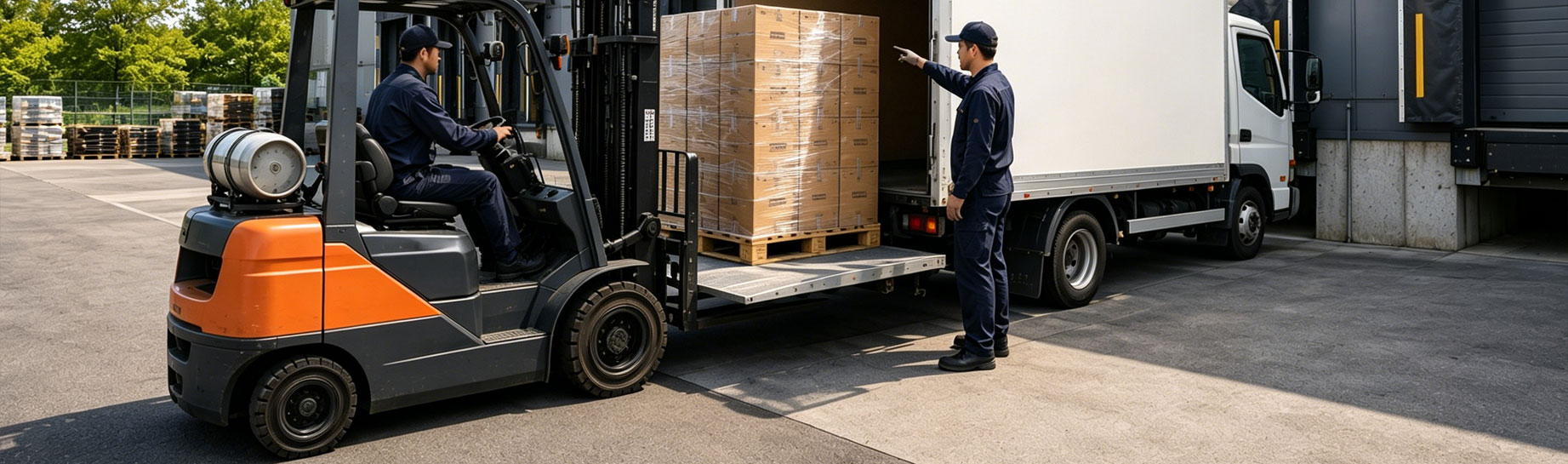
Hydraulic Tail Lift Truck Pressure Troubleshooting Guide
A Practical Guide to Reading Pressure Signals — Without Replacing Professional Diagnosis
Most hydraulic tail lift truck faults first show up as simple surface symptoms — the platform stops moving, or it lifts slower than usual. What actually determines how quickly a fault gets resolved is whether the pressure gauge reading, lift speed, and unusual noise reveal which part of the hydraulic circuit needs attention, so the operator can hand the equipment over to the right professional faster. This article reads pressure gauge signals from a directional angle and maps common fault symptoms to their likely causes.
Hydraulic Tail Lift Truck Case Study: Rotterdam, Netherlands — November 2024
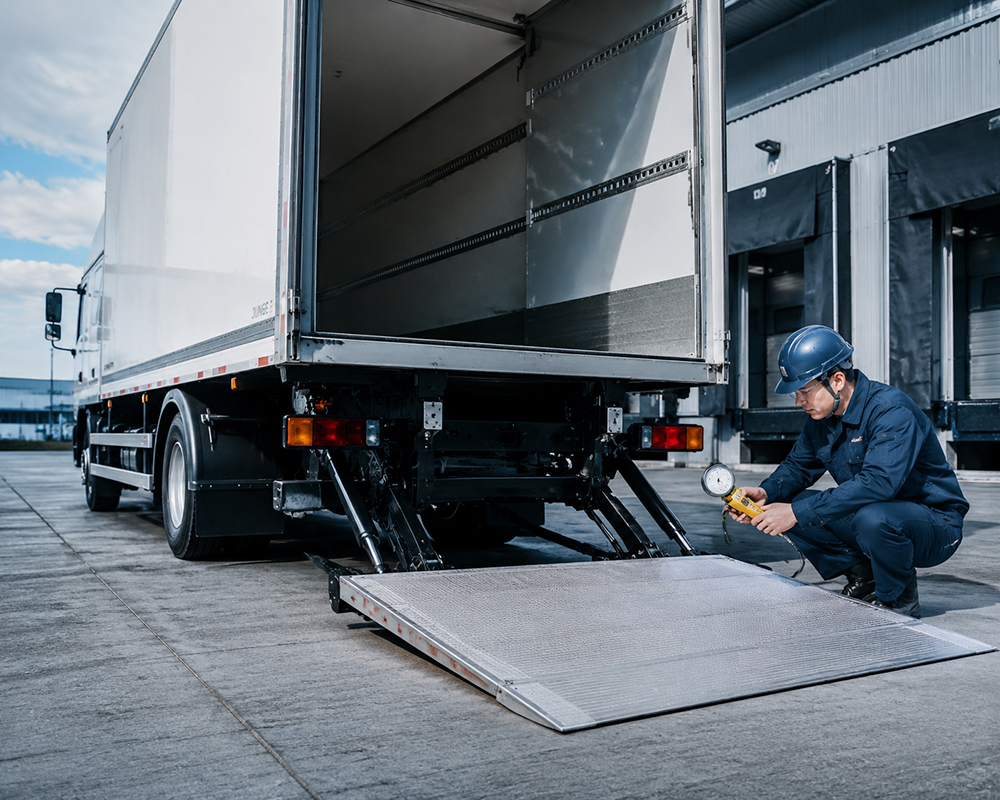
A refrigerated logistics fleet noticed one side of a box truck’s tail lift sagging during loading operations. The operator reported that the lifting motion slowed down noticeably partway through, and the pump ran louder than normal. On-site technicians ran a pressure gauge test and caught a noticeable pressure drop right at the moment of lift. They followed a standard inspection sequence: they checked the reservoir fluid level, tested the relief valve’s condition, and inspected the seals on both cylinders. This process identified a combined fault involving two aging components.
Certified technicians carried out the actual diagnosis and repair based on the specific conditions on site. Hydraulic tail lift systems vary in structure and parameter settings across brands and models, so any real inspection should follow the equipment manufacturer’s technical manual and nameplate specifications. This case illustrates common fault directions only — it doesn’t replace professional inspection.
Common Hydraulic Tail Lift Truck Symptoms and Possible Causes
| Symptom | Possible Related Area | Recommendation |
|---|---|---|
| Noticeable pressure drop during lift | Often points to the relief valve or seal condition | Have a professional technician inspect it |
| Platform sagging on one side | Often signals cylinder seal wear on that side | Have a professional technician inspect it |
| Noticeably slower lift speed | Often signals pump wear or insufficient flow | Have a professional technician inspect it |
| Unusual noise during lift | Often signals air in the fluid or low fluid level | Have a professional technician inspect it |
| Normal pressure reading but platform won’t move | Often points to a solenoid valve or wiring issue | Have a professional technician inspect it |
| Descent speed too fast, hard to control | Often points to a throttle valve component issue | Have a professional technician inspect it |
Treat these as directional references only. Faults often result from multiple factors combined, so don’t draw a conclusion from a single symptom alone — always weigh the actual test data together.
How Pressure Moves Through a Hydraulic Tail Lift Mechanism
Understanding pressure-related faults in a hydraulic tail lift truck starts with knowing how the circuit works: the hydraulic pump generates pressure, the relief valve limits it, the solenoid valve directs flow, the cylinder extends or retracts, and this drives the tail lift mechanism through its lifting or lowering motion. A problem at any stage of this circuit tends to leave a trace in how the unit behaves — which is why relying on surface symptoms alone works less well than also checking the pressure gauge.
Rated working pressure varies across hydraulic tail lift systems depending on load capacity, and it generally falls within a fairly wide range across the industry. Always confirm the exact figure against the equipment’s own nameplate or technical manual — don’t apply another unit’s parameters based on general experience.
Routine Inspection Practice for Hydraulic Tail Lift Trucks
Fleets should schedule regular pressure checks — for example, alongside routine vehicle maintenance — using a portable pressure testing device to observe whether the system builds pressure smoothly and holds it steady during lift. If fluctuation becomes noticeably more pronounced, or the system takes noticeably longer to build pressure, arrange a professional inspection early rather than waiting until sagging, unusual noise, or sluggish movement start affecting normal use. Regular inspection generally costs less than post-failure repair, and it also reduces safety risk during operation.
A Common Misjudgment When Diagnosing Tail Lift Trucks
Technicians sometimes confuse a solenoid valve issue with a pump issue, since both can show up as the platform failing to move properly. Here’s one general way to tell them apart: if the pressure gauge fails to build any meaningful pressure at all, the pump or fluid intake is more likely at fault; if the gauge shows normal pressure but fluid isn’t reaching the intended cylinder, a valve or wiring issue is more likely responsible. Treat this as a general direction only — always have a qualified technician confirm it using real inspection data. Non-professionals should not disassemble hydraulic components themselves.
FAQ: Hydraulic Tail Lift Truck Pressure Issues
Q: What does a sudden pressure drop on a hydraulic tail lift truck’s gauge mean?
A: A noticeable pressure drop during lift often points to the relief valve or seal condition, though other causes can produce the same reading. Only a professional inspection can confirm the actual source.
Q: Can I keep using a tail lift truck if the platform lifts slower than usual?
A: A slower lift speed can signal early pump wear or reduced flow. Have the unit checked before continuing regular use, rather than waiting for the symptom to worsen.
Q: Can I diagnose a hydraulic tail lift fault myself using just a pressure gauge?
A: A pressure gauge reading helps you form a general sense of direction, but it can’t confirm a fault on its own. Always have a qualified technician diagnose it, using the manufacturer’s technical reference and proper testing procedures.
Q: How often should I check the hydraulic system on a tail lift truck?
A: Many fleets fold pressure checks into their existing maintenance schedule. If you notice fluctuations or slower response between scheduled checks, bring the inspection forward rather than waiting.
Q: Why does one side of the tail lift platform sometimes sag more than the other?
A: Uneven sagging often relates to uneven wear between the two cylinder seals, though other factors can contribute too. Confirm the cause through inspection rather than assuming it.
Trusted by Fleet Operators Across 60+ Countries
Stop Losing Time at the Loading Dock.
Get a Custom-Matched Tail Lift Quote in 24 Hours.
60
Countries Served
24h
Quote Turnaround
99.9
Field Uptime
5.0
Customer Rating
No Obligation
CE & UKCA Certified
Standard & Custom Builds
Worldwide Shipping