Having trouble submitting? Email us directly at nicole@beauway.com and we'll get back to you within 24 hours.











Tail Lift Safety Guide: Daily Inspection & Driver Do’s and Don’ts
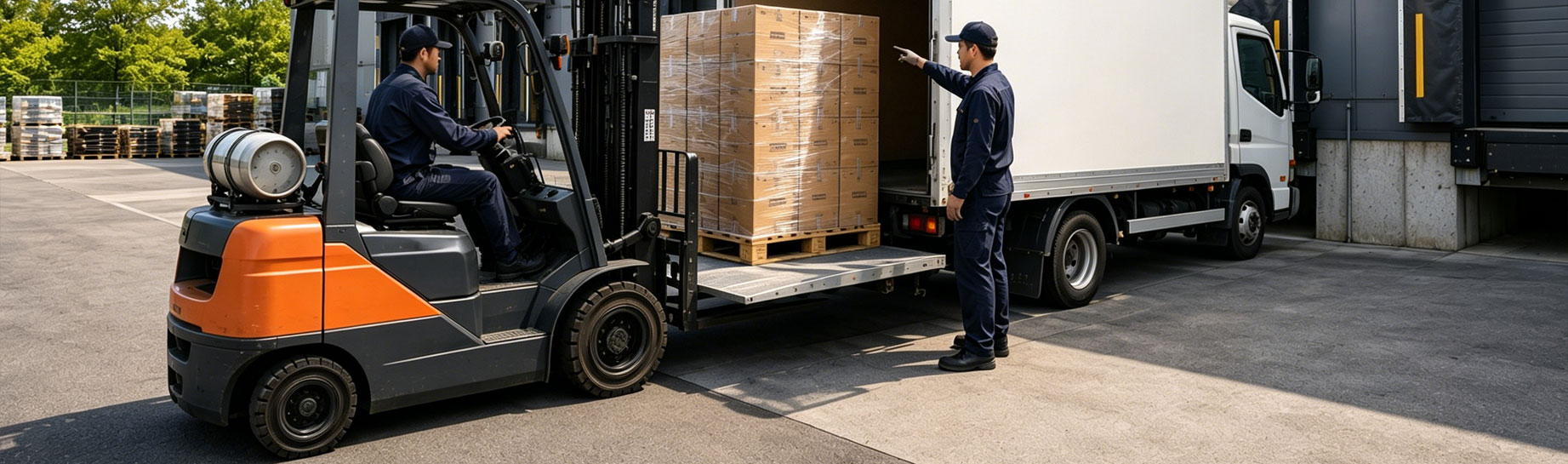
Tail lift safety is the first concern for any driver loading goods at height. A skipped pre-use check, an overloaded platform, or a rushed loading routine can turn a delivery into an accident. This guide covers the daily inspection routine, safe loading habits, and the driver do’s and don’ts that keep operation safe and compliant with current standards.
What Is Tail Lift Safety and Why It Matters
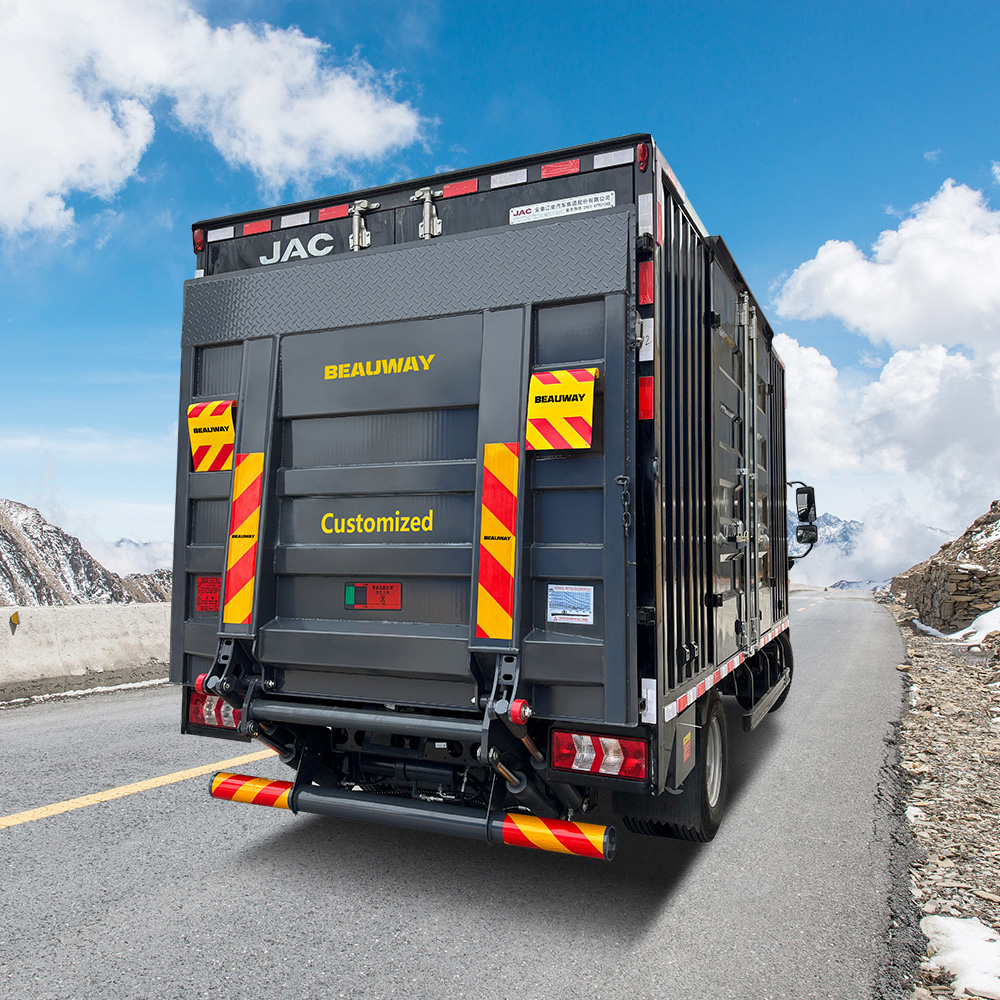
Tail lift safety refers to the inspection habits, load limits, and operating routines that prevent injury during platform lift use. It covers three areas: the condition of the equipment, the way goods are loaded, and the driver’s behavior around the platform.
Most tail lift incidents share a common root cause. A worn safety edge, an ignored warning light, or a driver standing in the wrong position during lowering. None of these failures happen suddenly. They build up over weeks of small oversights.
Design and testing requirements for tail lifts on goods vehicles are set out in the EN 1756-1 standard, which limits unloaded lifting height and defines the protective measures manufacturers must build in. Drivers do not need to memorize the standard. However, understanding that a formal safety framework exists helps explain why daily checks are not optional.
A Common Failure Scenario on the Road
A common scenario reported by fleet operators involves a platform that lowers unevenly under load. The driver notices a slight tilt but continues unloading anyway. As a result, a pallet shifts and falls partway through the cycle.
In most cases like this, the root cause traces back to a missed pre-use inspection. A hydraulic hose losing pressure on one side often shows early warning signs. A five-minute walk-around would have caught the fault before it became a hazard. This is why a structured liftgate safety checklist matters more than driver experience alone.
Experienced drivers sometimes assume familiarity replaces inspection. However, equipment wear does not follow a predictable schedule tied to a driver’s years on the job. A lift that performed flawlessly yesterday can develop a fault overnight, particularly after exposure to heavy rain, extreme cold, or a rough loading dock surface. Treating each shift as a fresh check, rather than relying on memory of yesterday’s performance, closes this gap.
Fleet supervisors who review near-miss reports often find a pattern. The same few faults, uneven descent, delayed sensor response, or a sticking control button, appear again and again before a serious incident occurs. Addressing these early-warning signs through a consistent liftgate safety checklist is far less costly than responding after an injury.
Daily Pre-Use Inspection Checklist
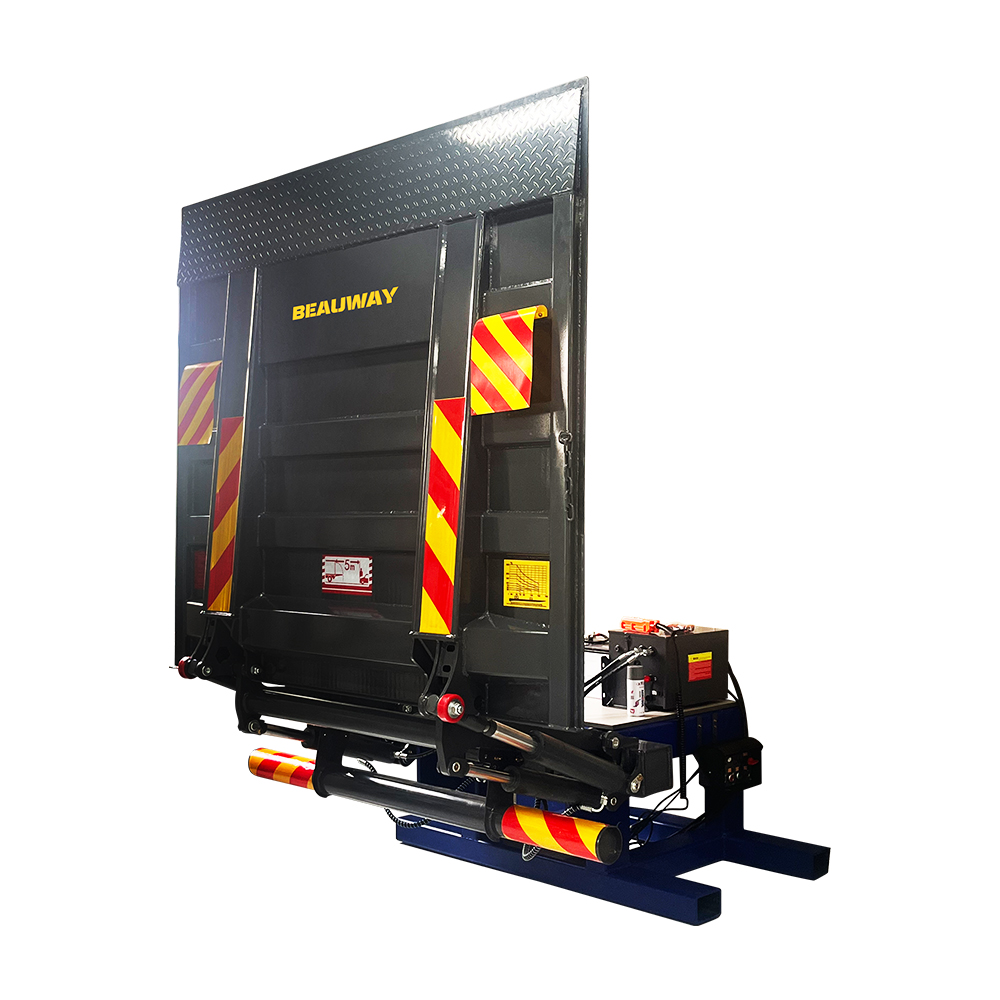
Every shift should begin with a structured check, not a visual glance. The table below outlines the core inspection points most fleet safety programs require.
| Check Item | Standard | Frequency |
|---|---|---|
| Platform surface (cracks, corrosion, debris) | No visible damage or slip hazard | Daily, before first use |
| Hydraulic hoses and fittings | No leaks, no visible wear | Daily |
| Safety edge / sensor strip | Triggers stop within a few centimeters of contact | Daily |
| Control buttons and emergency stop | Responsive, clearly labeled | Daily |
| Warning lights and audible alarm | Functional and visible from behind the vehicle | Daily |
| Load rating plate | Legible, matches the lift’s rated capacity | Weekly |
| Full function test (raise, lower, tilt) | Smooth movement, no unusual noise | Daily |
Therefore, a driver who skips even one row on this list is operating with an unverified system. In addition, any fault found should be logged and reported immediately, not deferred until the next depot visit.
Safe Loading and Weight Distribution
Weight distribution is where many tail lift safety failures begin. Overloading one side of the platform creates an uneven descent, even when the total weight stays under the rated limit.
Rated capacities vary by model and manufacturer, generally falling within a range of a few hundred kilograms up to several tonnes for heavy-duty applications. Drivers should always confirm the specific rating on the equipment’s data plate rather than estimating from memory.
For example, a pallet placed off-center can shift the load’s center of gravity outside the platform’s stable zone. This is one reason folding tail lift options are often specified for routes with mixed, irregular cargo, since their geometry can better support varied load placement when paired with correct positioning.
Moreover, dynamic loads such as a forklift driving onto the platform behave differently from static pallets. The rated capacity for a “live load” is often lower than for a stationary one. Operators should check the manufacturer’s documentation for both figures before assuming a single number applies.
In addition, the sequence of loading matters as much as the total weight. Placing heavier items first and lighter items last tends to keep the center of gravity closer to the platform’s hinge point. As a result, the descent stays more even throughout the cycle, reducing strain on the hydraulic system.
Securing the load before lowering is another step drivers sometimes skip under time pressure. A pallet that looks stable while stationary can shift the moment the platform begins to move. Straps, edge barriers, or simply repositioning items toward the center all reduce this risk. Therefore, the extra thirty seconds spent securing a load rarely outweighs the cost of a dropped or shifted pallet.
Common Hazards and How to Prevent Them
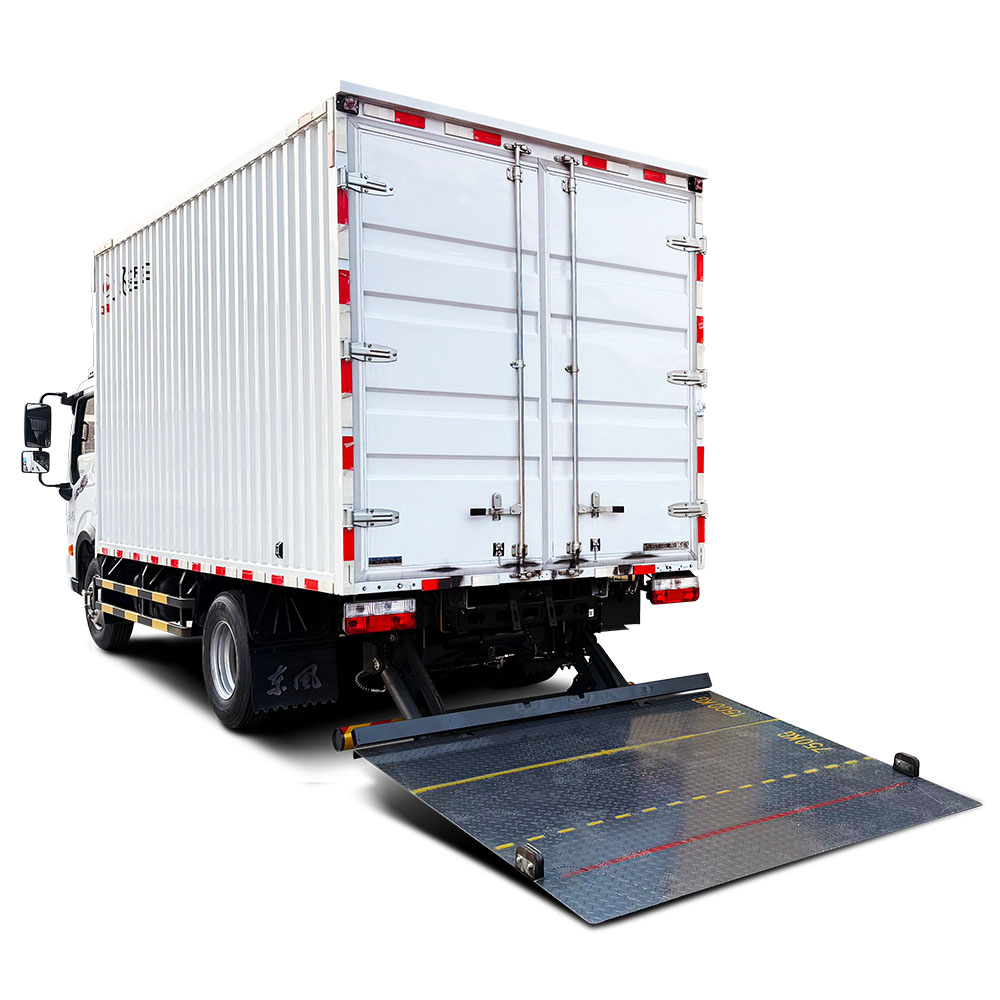
Certain failure patterns appear repeatedly across incident reports from fleet operators. Recognizing them early makes prevention far simpler than reacting after an accident.
| Hazard | Likely Cause | Prevention |
|---|---|---|
| Uneven platform descent | Hydraulic pressure imbalance or worn cylinder seal | Daily fluid check, prompt servicing at first sign of tilt |
| Pallet sliding off platform | Off-center loading or missing barrier | Load toward the center, use barriers or straps |
| Crushing injury near hinge points | Bystander or driver standing too close during folding | Maintain clear zone, use warning signals |
| Sudden stop failure | Damaged safety edge sensor | Weekly sensor test, immediate reporting of faults |
| Platform instability on soft ground | Vehicle parked on uneven or unstable surface | Reposition vehicle, use leveling mats if available |
However, a table like this only helps if drivers actually apply it during real shifts. Many fleets print a laminated version and keep it inside the cab for quick reference.
For example, a driver who notices a slight delay in the sensor response should treat it as a fault, not a quirk. Small delays often signal a complete sensor failure within days.
Driver Do’s and Don’ts During Operation
The following list summarizes the behaviors most safety programs emphasize during actual use.
Do:
- Keep bystanders and pedestrians clear of the platform’s swing radius.
- Lower the platform fully to ground level before loading or unloading.
- Use the handrail or barrier where fitted, especially on raised platforms.
- Park on level, stable ground whenever possible.
Don’t:
- Stand underneath a raised platform at any time.
- Operate the lift with a damaged safety edge or malfunctioning sensor.
- Exceed the rated load, even for a short distance or a quick move.
- Rush the lowering cycle to save time on a tight schedule.
On the other hand, ground conditions deserve separate attention. A soft verge, a pothole, or a steep camber can destabilize even a correctly loaded platform. Drivers should reposition the vehicle if the surface looks uneven.
Building a Tail Lift Safety Culture Through Training
A checklist alone does not guarantee safe outcomes. Tail lift operator training turns the checklist into a habit, and habits are what prevent accidents during a busy, distracted shift.
Effective training programs combine three elements: hands-on practice with the specific lift model, a review of near-miss incidents, and periodic refresher sessions. New drivers should never operate a tail lift unsupervised until they have demonstrated competence on each of these points.
For fleets managing mixed equipment, standardizing on a smaller range of lift types, such as consistent folding tail lift options across similar vehicle classes, can also simplify training and reduce the chance of drivers misapplying rules learned on a different model.
Refresher training works best when tied to a specific trigger rather than a fixed calendar date alone. A near-miss report, a new driver joining the route, or the introduction of a different lift model are all reasonable prompts for additional sessions. On the other hand, training that only happens once, at hiring, tends to fade in practice within months.
Some fleets also pair new drivers with an experienced colleague for the first few weeks. This mentoring period allows real-time correction of small habits, such as standing position or loading sequence, that a classroom session cannot fully capture. Over time, this approach tends to reduce the number of near misses reported during a driver’s first year.
Frequently Asked Questions
How often should a tail lift be inspected? A visual and functional check should happen before every shift. Weekly checks should cover the load rating plate and structural fasteners. Formal maintenance inspections typically follow a schedule set by the manufacturer or local regulation, often quarterly or annually depending on usage.
What should a driver do if the safety edge fails? The lift should be taken out of service immediately. The fault should be reported to a supervisor or maintenance team before any further loading occurs. Continuing to operate a lift with a failed safety edge significantly raises injury risk.
Can two people load a tail lift platform at once? This depends on the model’s rated capacity for combined personnel and cargo weight. Some platforms are designed for one operator plus goods only. The equipment’s documentation and rating plate confirm what configurations are permitted.
Why does tail lift safety require checking ground conditions? An uneven or soft surface can cause the platform to tilt during lowering, even when the equipment itself is fully functional. Checking the ground takes only moments and prevents a mechanically sound lift from becoming unstable during use.
Final Notes
Tail lift safety is built from small, repeatable habits rather than one-time training. A daily inspection, correct weight distribution, and disciplined driver behavior address most of the causes behind reported incidents. Fleets that treat these steps as routine, rather than optional, see fewer near misses over time.
This article was prepared by a technical advisor specializing in commercial loading equipment, drawing on fleet maintenance experience and current European safety standards. Beauway develops tail lift systems, including folding tail lift options, for commercial vehicle applications across multiple regions.
Source referenced: EN 1756-1:2021, Tail lifts — Safety requirements for goods vehicles, published by the European Committee for Standardization.
Trusted by Fleet Operators Across 60+ Countries
Stop Losing Time at the Loading Dock.
Get a Custom-Matched Tail Lift Quote in 24 Hours.
60
Countries Served
24h
Quote Turnaround
99.9
Field Uptime
5.0
Customer Rating
No Obligation
CE & UKCA Certified
Standard & Custom Builds
Worldwide Shipping