Having trouble submitting? Email us directly at nicole@beauway.com and we'll get back to you within 24 hours.











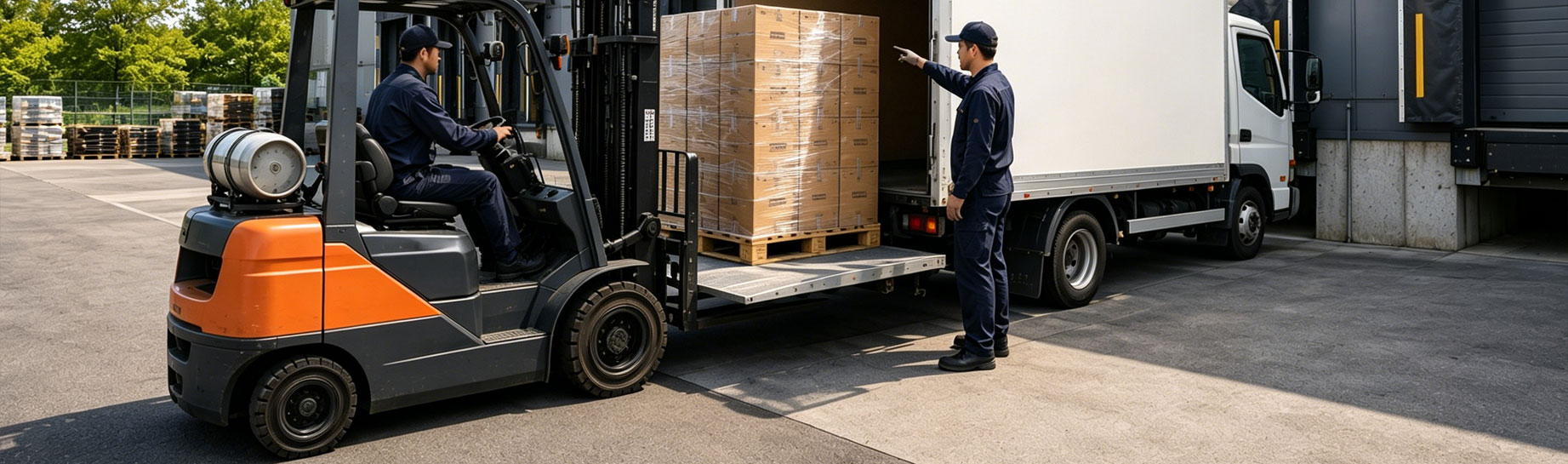
Is Q700 High-Strength Steel Better Than Conventional Steel for Truck Tail Lifts?
When evaluating modern Q700 steel tail lifts, logistics fleet managers, transport operators, and original equipment manufacturers (OEMs) must consider how structural material selection directly impacts operational efficiency, maintenance cycles, and long-term operating costs. Heavy-duty hydraulic loading equipment serves as a critical junction in regional and long-haul supply chains. Among the fundamental components driving performance, the selection of tail lift platform steel dictates how well equipment withstands cyclic dynamic loading, environmental exposure, and daily mechanical wear.
Traditionally, structural carbon steels such as Q235 and Q355 (roughly equivalent to S235 and S355 under European standard EN 10025) have dominated commercial vehicle liftgate manufacturing. However, the commercial transportation sector’s demand for improved fuel efficiency, optimized legal payload margins, and minimal structural downtime has accelerated interest in advanced high-strength steels (AHSS).
At the forefront of this material transition is Q700 high-strength steel—a thermo-mechanically rolled, fine-grained structural alloy featuring a minimum yield strength of 700 MPa. But does upgrading to Q700 steel tail lifts deliver measurable engineering advantages over conventional steel configurations?
This technical analysis evaluates Q700 against conventional grades across mechanical properties, structural design principles, structural-hydraulic interactions, payload optimization, and overall lifecycle considerations. You can also explore our hydraulic tail lift product series to compare specific model configurations.
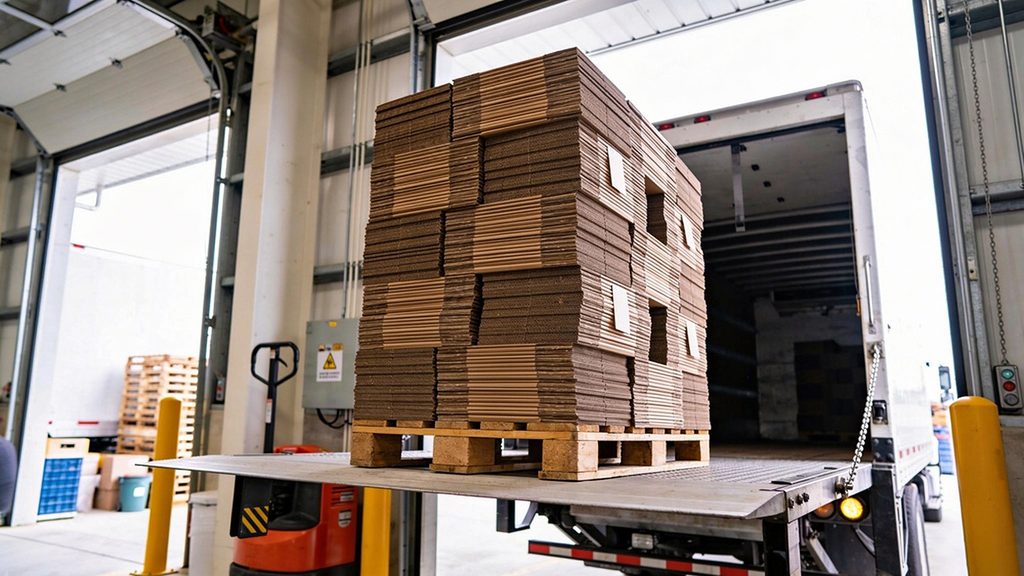
1. Mechanical Properties: Metallurgy and Tail Lift Yield Strength
To understand why material selection is pivotal in equipment engineering, fleet specifiers must examine the fundamental metallurgical distinctions between standard carbon steel and Q700 high-strength structural steel.
| Metallurgical Parameter | Conventional Steel (Q235 / Q355) | Q700 High-Strength Steel (HSS) | Engineering Implication |
|---|---|---|---|
| Minimum Yield Strength (ReH) | 235–355 MPa | ≥ 700 MPa | Higher resistance to permanent plastic deformation under extreme loading |
| Tensile Strength (Rm) | 360–510 MPa | 750–950 MPa | Higher ultimate load-bearing threshold before material failure |
| Elongation at Fracture (A5) | 20%–26% | 12%–16% | Controlled ductility engineered for structural energy absorption |
| Carbon Equivalent Value (CEV) | ≤ 0.44% | ≤ 0.45% (Optimized Low-C) | Preserves weldability when appropriate joint preparation and welding protocols are followed |
1.1 Yield Strength vs. Elastic Modulus in High Tensile Steel Tail Lifts
The primary metric governing structural performance under load is yield strength ($R_{eH}$)—the point at which material transitions from elastic deflection (returning to original geometry) to plastic deformation (permanent bending).
Conventional Q235 steel yields at 235 MPa, while Q355 yields at 355 MPa. In contrast, Q700 provides a minimum tail lift yield strength of 700 MPa—approximately 1.97 times that of Q355 and nearly 2.98 times that of Q235.
It is important to note from an engineering perspective that all carbon and high-strength alloy steels share virtually identical elastic moduli ($E \approx 206\text{ GPa}$). Therefore, under identical geometry and loading, elastic deflection remains similar. However, the higher yield threshold of Q700 allows the structure to absorb significantly higher energy levels before experiencing permanent set, making high tensile steel tail lifts far less susceptible to permanent platform dishing under severe point loads.
1.2 Microstructural Engineering and Weldability
Q700 achieves its elevated mechanical properties through thermo-mechanical controlled processing (TMCP) combined with micro-alloying elements such as Niobium (Nb), Vanadium (V), and Titanium (Ti). This process produces a refined grain structure without excessive carbon additions.
Maintaining a controlled Carbon Equivalent Value ($\text{CEV} \le 0.45\%$) helps retain weldability during manufacturing. For Q700 steel tail lifts, proper joint preparation, controlled heat input, and qualified welding procedures are essential to preserve the heat-affected zone (HAZ) integrity around high-stress mounting brackets and main torsion assemblies.
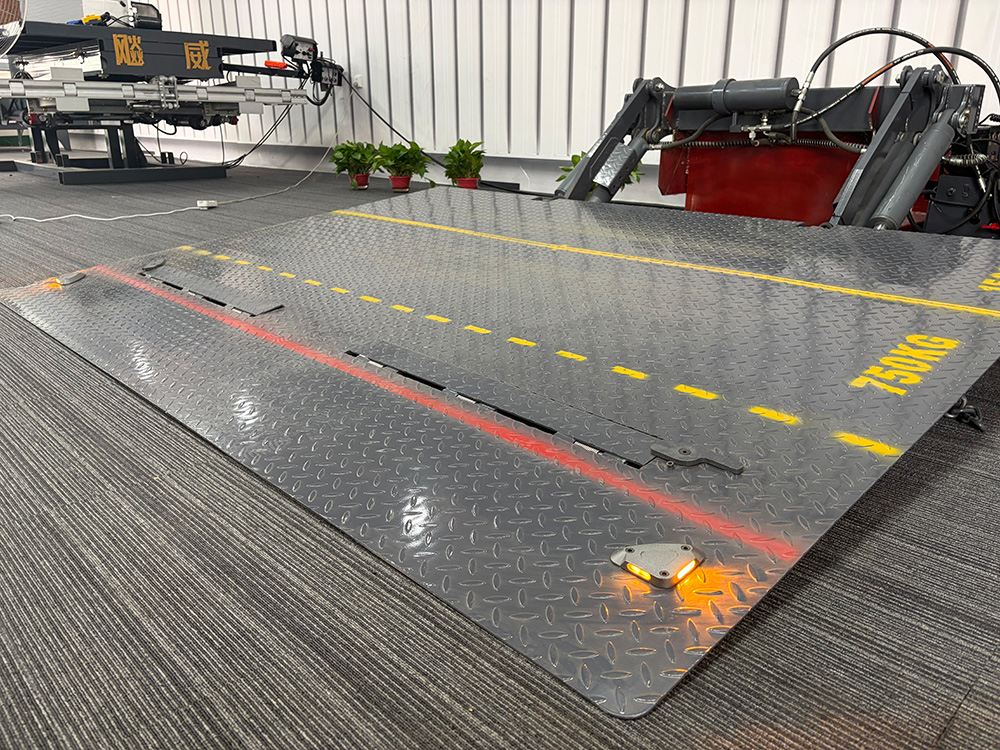
2. Structural Integrity: Mitigating Permanent Tail Lift Platform Deformation
During daily dock operations, loading platforms endure concentrated point-loading from electric pallet jacks, machinery caster wheels, and uneven cargo placement.
2.1 Protecting Tail Lift Platform Steel Under Point Loading
When concentrated wheel loads roll across a loading platform, localized pressure can exceed the yield limit of standard tail lift platform steel like Q235, leading over time to localized surface dishing and permanent beam deflection.
By elevating the elastic limit, Q700 helps mitigate permanent tail lift platform deformation. When paired with engineered stiffening ribs and optimized cross-member spacing, the platform maintains surface flatness over extended operational cycles, supporting smooth equipment transit and safe cargo handling.
2.2 Fatigue Considerations Under Cyclic Stress
Tail lifts operate under repetitive cyclic loading—opening, raising, lowering, and stowing throughout daily delivery routes. In welded steel structures, fatigue performance is primarily governed by stress concentrations, weld toe profiles, plate thickness, and dynamic load spectrums rather than base metal yield strength alone.
While higher yield strength allows for optimized load distribution, achieving long fatigue life requires rigorous joint design, smooth transitions at stress risers, and sound welding practices. Properly engineered Q700 structural assemblies help minimize stress concentrations around gussets and hinge points, contributing to reliable dynamic performance under service conditions.
3. Weight Optimization: Managing Tail Lift Tare Weight
For fleets operating near legal Gross Vehicle Weight Ratings (GVWR), optimizing accessory weight is critical for maintaining usable payload capacity.
3.1 Supporting Truck Tail Lift Payload Capacity
Because Q700 offers a 700 MPa yield strength, structural designers can optimize plate thicknesses and cold-formed profile geometries while maintaining required design safety factors.
- Standard Steel Design: Relies on thicker section profiles to satisfy load-bearing and yield criteria.
- Q700 High-Strength Design: Permits selective section downsizing and thinner high-yield sheet profiles backed by targeted internal stiffeners.
This design strategy allows engineers to reduce equipment mass compared to traditional steel configurations, directly contributing to lower tail lift tare weight. Depending on specific platform dimensions, lift capacity, and structural geometry, weight reduction can be achieved without compromising structural margins.
Minimizing deadweight offers practical operational benefits for truck tail lift payload capacity:
- Payload Flexibility: Allows extra cargo margin on weight-restricted transport routes.
- Operational Efficiency: Lower overall unladen vehicle weight contributes to reduced rolling resistance during empty return trips.
- Axle Compliance: Helps maintain compliance with regional axle loading limits.
You can test estimated structural efficiency gains for your specific vehicle fleet with our fleet efficiency calculator.
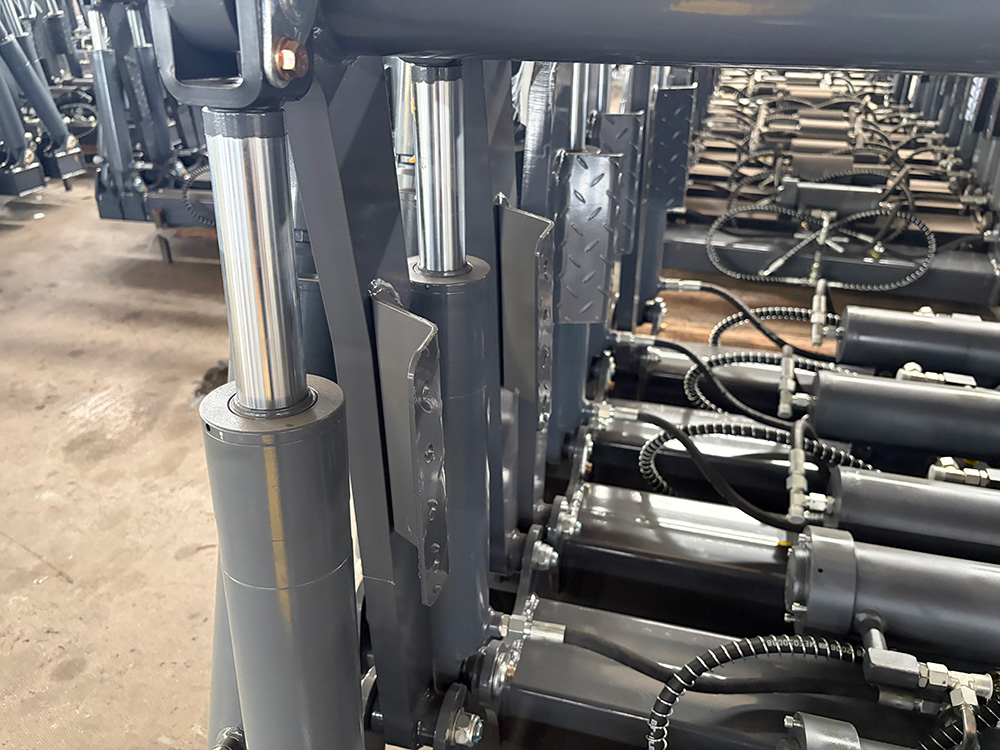
4. Operational Alignment and Hydraulic System Interaction
A tail lift operates as an integrated electro-hydraulic mechanical system. The structural rigidity and alignment of the platform frame influence the operating conditions of the hydraulic actuators.
4.1 Frame Stability and Component Alignment
When a platform under asymmetric loading experiences structural flex, torsional twist can introduce offset forces across the lift and tilt mechanisms. Excessive structural deflection may transfer secondary side-loads onto hydraulic cylinder piston rods and guide bushings.
A well-designed Q700 frame structure maintains torsional stability under off-center loads. Reducing frame twisting helps keep the tail lift hydraulic system within designed mechanical alignment, mitigating premature seal wear, cylinder rod binding, and asymmetrical pressure spikes during operation.
4.2 Supporting Rated Tail Lift Lifting Capacity
To reliably deliver rated tail lift lifting capacity (e.g., 1,000 kg, 1,500 kg, or 2,000 kg at standard load centers), structural arms and pivot points must maintain geometry under full hydraulic working pressure. The structural strength of Q700 steel tail lifts ensures efficient force transmission from hydraulic cylinders to vertical movement, maintaining operational stability throughout the working envelope.
5. Lifecycle Financial Considerations: Tail Lift Total Cost of Ownership
Although raw Q700 material costs and processing requirements are typically higher than standard carbon steel grades, commercial procurement decisions should be evaluated across the complete equipment lifecycle.
5.1 Maintenance Efficiency and Structural Reliability
Platforms built with standard steel grades operating under severe duty cycles may eventually require maintenance due to localized bending or fatigue cracking around high-stress weld joints. Repairing structural damage involves vehicle downtime, field welding, and alignment checks.
Using high tensile steel tail lifts engineered with Q700 allows manufacturers to build lighter yet resilient loading platforms. Reduced susceptibility to permanent deformation and joint distortion helps lower unbudgeted maintenance intervention, keeping commercial vehicles active on revenue-generating routes.
5.2 Evaluating Long-Term Lifecycle Value
To evaluate the true tail lift total cost of ownership (TCO), fleet managers should balance initial capital expenditure against long-term operating gains:
- Manufacturing & Material Cost: Q700 platforms involve higher raw material costs and specialized processing (e.g., precise laser cutting and controlled bending radii).
- Operational Offsets: Tare weight savings contribute directly to payload headroom and marginal fuel energy savings across multi-year operational runs.
- Fleet Asset Retention: Vehicles equipped with durable, non-deformed loading platforms maintain higher operational reliability and secondary market value at fleet retirement.
Technical Comparison: Q700 High-Strength Steel vs. Conventional Carbon Steel
| Evaluation Metric | Conventional Steel (Q235 / Q355) | Q700 High-Strength Steel (HSS) | Practical Engineering Benefit |
|---|---|---|---|
| Material Yield Strength | 235–355 MPa | ≥ 700 MPa | Extended elastic limit before permanent plastic deformation |
| Elastic Modulus (E) | ~206 GPa | ~206 GPa | Equivalent elastic deflection under identical geometry |
| Tare Weight Impact | Baseline (Standard profiles) | Optimized (Downsized sections) | Reduces tail lift tare weight to maximize cargo payload |
| Resistance to Local Dishing | Moderate | High | Mitigates tail lift platform deformation under point loads |
| Hydraulic Alignment | Prone to flex under offset loads | Torsionally stable frame | Preserves geometry for the tail lift hydraulic system |
| Lifecycle Cost Impact | Lower initial capex | Higher initial capex | Improved tail lift total cost of ownership via lower repair overhead |
Conclusion
For international logistics operators, freight carriers, and commercial vehicle fleet specifiers, adopting Q700 high-strength steel in tail lift construction represents an effective engineering approach to equipment optimization.
While standard Q235 and Q355 steels remain suitable for basic or low-frequency applications, heavy-duty commercial transport demands higher structural efficiency. Unengineered deadweight, susceptibility to localized platform dishing, and structural flex can increase maintenance overhead over time.
Selecting Q700 steel tail lifts enables manufacturers to design lighter, resilient loading platforms that preserve mechanical alignment and optimize usable vehicle payload. When backed by sound structural design, precise welding protocols, and rigorous testing, Q700 high-strength steel delivers a highly reliable solution for modern commercial transport fleets. Feel free to contact our engineering team for custom vehicle integration and structural specifications.
Trusted by Fleet Operators Across 60+ Countries
Stop Losing Time at the Loading Dock.
Get a Custom-Matched Tail Lift Quote in 24 Hours.
60
Countries Served
24h
Quote Turnaround
99.9
Field Uptime
5.0
Customer Rating
No Obligation
CE & UKCA Certified
Standard & Custom Builds
Worldwide Shipping