







Common Causes of Tail Lift Instability and How to Fix It
Honestly, this is one of those problems that comes up more than you’d expect. Over the years working closely with fleet operators and delivery drivers, I’ve lost count of how many times someone’s called in saying their tail lift feels “off” — shaky, unsteady, or just not right. And every single time, the instinct is to blame the wind, the road surface, or the last guy who used it.
But here’s the thing: in most cases, the wobble is telling you something specific. It’s not random. And if you know what to look for, you can usually trace it back to one of a handful of root causes — some more urgent than others.
This isn’t a generic safety lecture. It’s what we’ve actually seen on the job, doing tail lift maintenance across a wide range of commercial vehicles, and what we’ve learned from sorting out problems that could’ve been avoided with a bit of earlier attention.
A Wobble Is Never “Just How It Is”
I want to get this out of the way early, because I’ve heard it too many times: “Oh, it’s always done that a little.”
No. A tail lift that wobbles under load is a tail lift that’s failing somewhere. It might be slow, it might be subtle — but it’s not normal, and it doesn’t fix itself. Some of our most involved tail lift repair jobs started exactly this way: something small that got ignored for months until it became something expensive and dangerous.
If the platform shifts, dips, or shakes in ways it didn’t used to — that’s your cue to act, not wait.
Common Causes of Tail Lift Wobbling
1. Too Much Weight, or Weight in the Wrong Place
Let’s start with the most straightforward one. Every tail lift has a rated capacity — it’s on the nameplate, it’s in the manual, and it genuinely matters. When you push past that limit, or when cargo gets stacked unevenly toward one corner of the platform, the whole thing starts to fight itself during the lift cycle.
We dealt with a case not long ago where a company had recently completed a tail lift repair service but hadn’t adjusted their loading procedures afterwards. Within about three months, the platform was wobbling badly again — not because the repair was faulty, but because the root cause (overloading) had never been addressed.
A few habits that make a real difference:
- Keep loads within the rated limit — every time, not just when someone’s watching
- Push cargo toward the centre of the platform before lifting
- Build tail lift servicing into your schedule so structural wear from overloading gets caught early
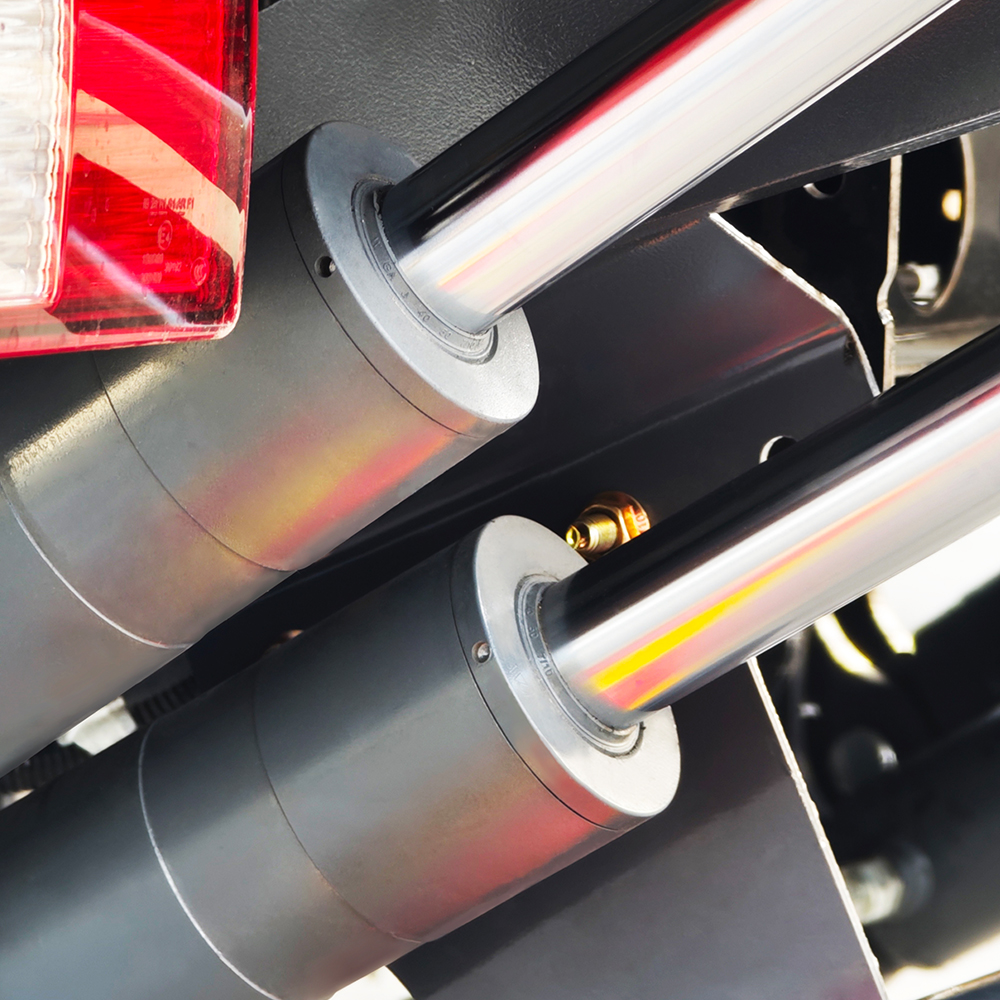
2. Something’s Wrong With the Hydraulics
This one accounts for a surprisingly large share of instability complaints — around 35% based on what we see coming through tail lift service calls. And it makes sense when you think about how the system works: if the pressure isn’t consistent, or if there’s a leak somewhere in the circuit, the platform doesn’t rise evenly. One side gets more force than the other, and you get that characteristic swaying or jerking motion.
Seal degradation is the big one. Fittings work loose over time too, especially on vehicles operating in demanding conditions. Neither of these is dramatic when it starts — you might just notice the platform feels slightly less smooth than usual — but left alone, it turns into a much bigger problem.
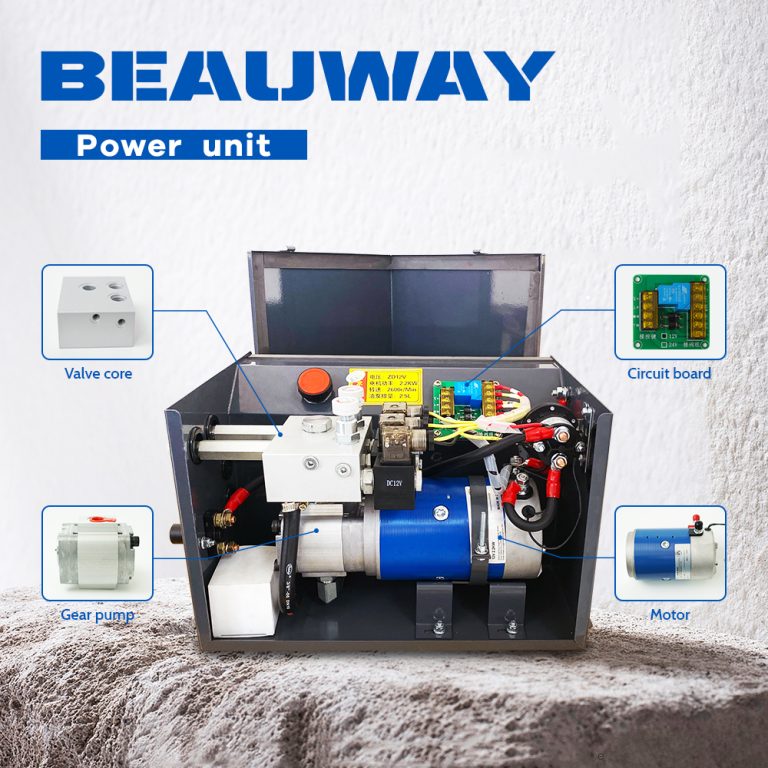
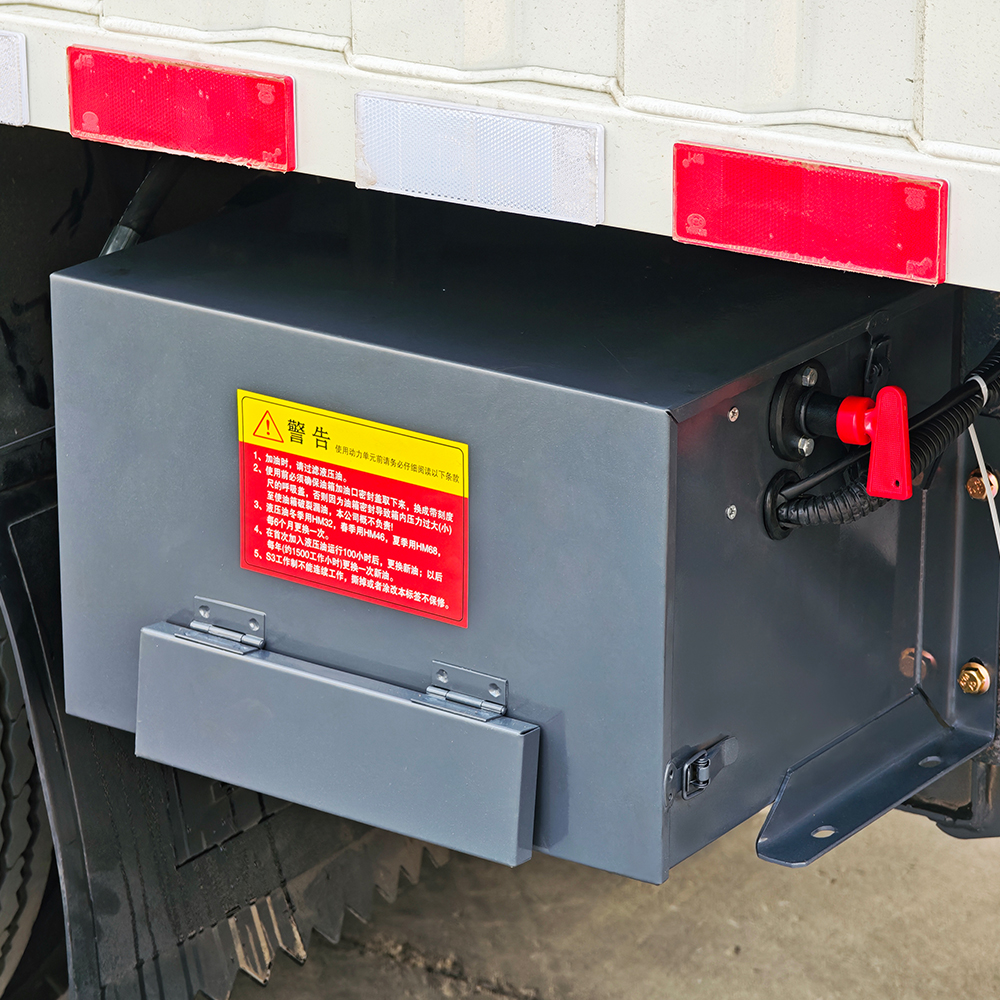
Proper hydraulic tail lift maintenance catches this early. We’d typically recommend a full hydraulic check every six months, covering:
- Cylinder seals — both master and slave
- Fluid level and condition
- Pipe fittings and connection points
- Solenoid valve response — any sluggishness here is worth investigating
3. Worn Pins and Loose Connections
This is one of those things that happens gradually and then seems to appear overnight. The hinge pins that connect the platform to the chassis wear down with use — slowly, millimetre by millimetre — until there’s enough play in the joint that the platform starts moving in ways it shouldn’t.
By the time it’s noticeable as a wobble, the wear is usually already significant. Truck tail lift repair work involving hinge systems is some of the most important maintenance we do, because the consequences of getting it wrong are serious. A platform that’s loose at the hinge point doesn’t just wobble — it can fail at height.
After any truck tail lift service, ask your technician for the hinge wear measurements in writing. It’s a simple way to track deterioration over time and catch problems before they become emergencies.
4. It Wasn’t Installed Quite Right to Begin With
This one’s uncomfortable to talk about because it implies the problem started before the customer even used the equipment — but it happens. If the tail lift installation service wasn’t done with proper levelling and torque verification, you can end up with a platform that’s slightly misaligned from day one.
The tricky part is that a tail lift inspection done in the early weeks often misses it. The wobble is minor, it doesn’t seem serious, and it gets dismissed. Then six months later — or a year later — the cumulative stress from operating on a misaligned base starts showing up as something much harder to ignore.
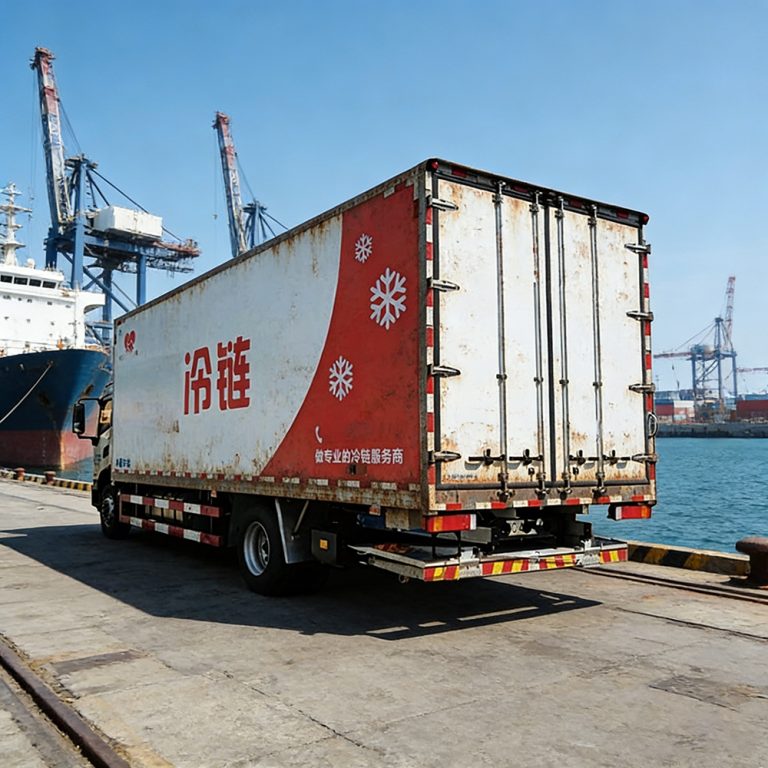
We had one case involving a refrigerated delivery vehicle where the original installation had a horizontal deviation of 2.3°. Sounds small. By the time we were called in, the structural damage was significant.
Every installation should include documented alignment checks and torque records. If yours didn’t, it’s worth having a professional take a look.
5. The Platform Itself Is Fatigued
High-cycle operations take a toll. If a tail lift is going up and down fifty-plus times a day — which isn’t unusual in urban delivery — the platform structure accumulates stress. Metal fatigues. Micro-cracks develop. And at some point, those hairline fractures start to affect how the platform behaves under load.
This isn’t something you can always see. Tail lift platform repair for fatigue damage usually involves ultrasonic testing or magnetic particle inspection to find what a visual check would miss. The good news is that when you catch it early, the repair is often straightforward. When you don’t, you’re sometimes looking at full platform replacement.
Common tail lift parts involved in this kind of work: platform frames, anti-slip grating, hinge assemblies, and end rubber stops. Always worth specifying OEM components — the dimensional tolerances matter more than people realise.
6. How the Lift Is Being Operated
Nobody likes being told their technique is the problem, but this comes up regularly in tail lift troubleshooting and it’s worth being honest about.
Standing too far to one side of the platform creates an offset load that the lift wasn’t designed to handle cleanly. Operating the lift at full speed rather than modulating the control puts extra hydraulic shock through the system. And using the lift beyond its rated height — even by a small margin — significantly increases the risk of tail lift stability problems, especially with a load on board.
None of this is about blame. It’s about making sure the people using the equipment understand how it’s supposed to be used, because the difference between smooth and shaky is often just a matter of habit.
7. When the Safety Systems Aren’t Working Properly
Modern tail lifts have a tail lift safety system built in for good reason — overload cut-off, anti-drop locking, emergency stop functions. These don’t just prevent accidents; they also stabilise how the lift behaves under stress. When they’re not functioning correctly, the whole system becomes less predictable.
A proper tail lift safety inspection covers the activation threshold on the overload valve, the reliability of the drop-lock mechanism, and how quickly the emergency stop responds. For anyone running commercial truck tail lift service on a fleet, we’d say this inspection should happen at least annually — or every 500 operating hours if you hit that figure first.
8. Cantilever Designs Need Extra Attention
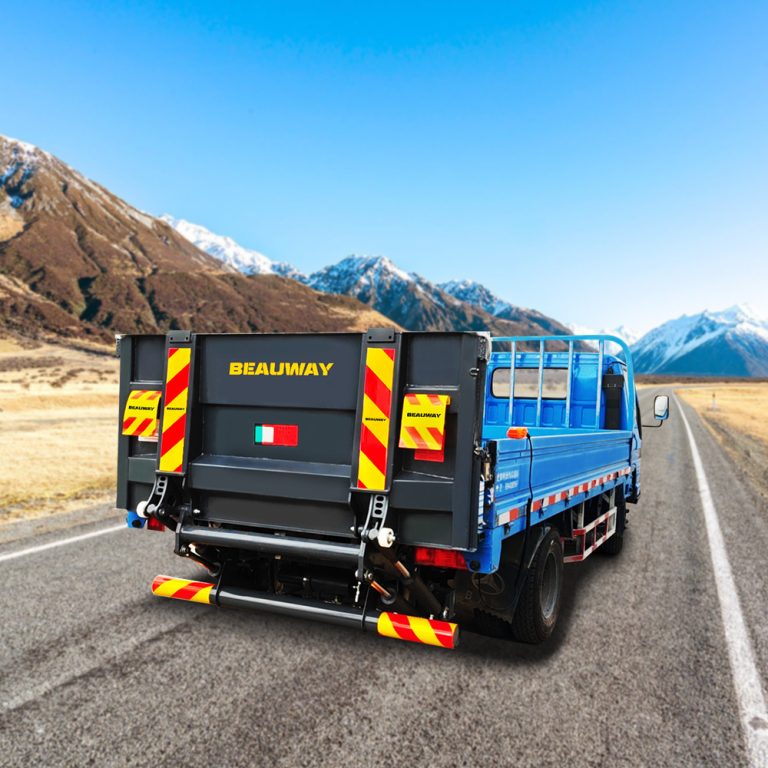
If you’re running a cantilever tail lift, the geometry of the design means that any looseness in the mounting points gets amplified at the platform end. Cantilever tail lift maintenance needs to include a specific focus on the beam-to-chassis connection and the support roller condition — not just the hydraulics and hinges.
Under heavy loads, even slightly loose fixing bolts can produce wobble that feels alarming because of how far it travels down the arm. Every three months is a reasonable interval for a dedicated re-torque check on this type of equipment.
A Practical Diagnostic Sequence
When we’re called out for tail lift maintenance service on a wobbling lift, this is roughly the order we work through it:
| Step | What We Check | How We Check It |
|---|---|---|
| 1 | Visual inspection | Cracks, deformation, oil traces |
| 2 | Hydraulic system | Pressure testing, fluid analysis |
| 3 | Hinge and pin condition | Caliper measurements |
| 4 | Safety system function | Simulated overload |
| 5 | Dynamic load test | Full-cycle stability under rated load |
Getting the sequence right matters. Jumping straight to tail lift hydraulic system repair before checking the mechanical connections, for instance, risks fixing the wrong thing — or missing something that’ll cause the problem to return.
Maintenance & Service Recommendations
Tail lift wobbling is almost never a mystery once you know what to look for. It’s usually one of a small number of causes — hydraulic pressure, structural wear, load distribution, or something that goes back to how the lift was installed — and most of them are very manageable when caught at the right time.
What makes the difference is not waiting. A platform that wobbles slightly today will wobble more tomorrow, and the repair that costs a modest amount now can become a much larger job — or a safety incident — if it’s left too long.
One thing we always stress: unless you’re a trained technician, don’t attempt to disassemble any part of the tail lift yourself. It’s not worth the risk of making things worse, or creating a hazard that wasn’t there before. Get in touch with your manufacturer — Beauway is a good place to start — speak to someone qualified, and get the work done properly under professional guidance. That’s the only way to be confident the lift is genuinely safe to put back into service.