- (+86) 190-1604-8953










Truck Tailgate Lift Advantages and Disadvantages: A Practical Guide for Modern Logistics Operations
Practical insights from real logistics operations
With years of experience in logistics equipment and loading systems, I have witnessed how the truck tailgate lift has gradually transformed from a niche option into standard equipment for many commercial vehicles.
In the early stages of logistics development, manual loading dominated most operations. Today, however, hydraulic lift tailgates are widely used to improve efficiency, reduce labor intensity, and enhance cargo safety.
This article provides a practical analysis of lift tailgate advantages and disadvantages, based on operational experience in logistics and transportation environments.
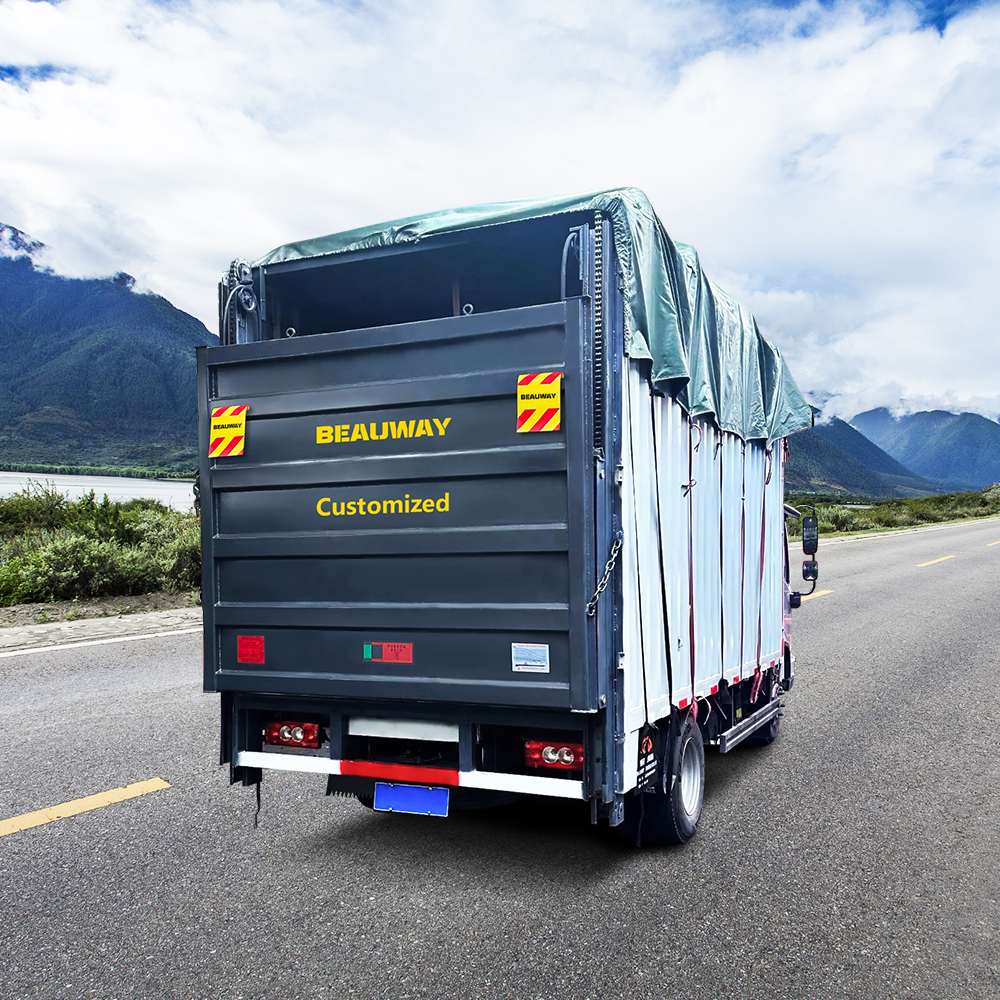
Why Tailgate Lifts Are Becoming Standard Equipment
In modern logistics, efficiency and worker safety are two critical priorities. Companies are constantly seeking solutions that reduce manual handling while maintaining stable delivery operations.
Vehicles equipped with truck tailgate lift systems can significantly simplify loading procedures.
“Lift tailgates have not only improved loading efficiency but have also raised the safety standards of daily logistics operations.”
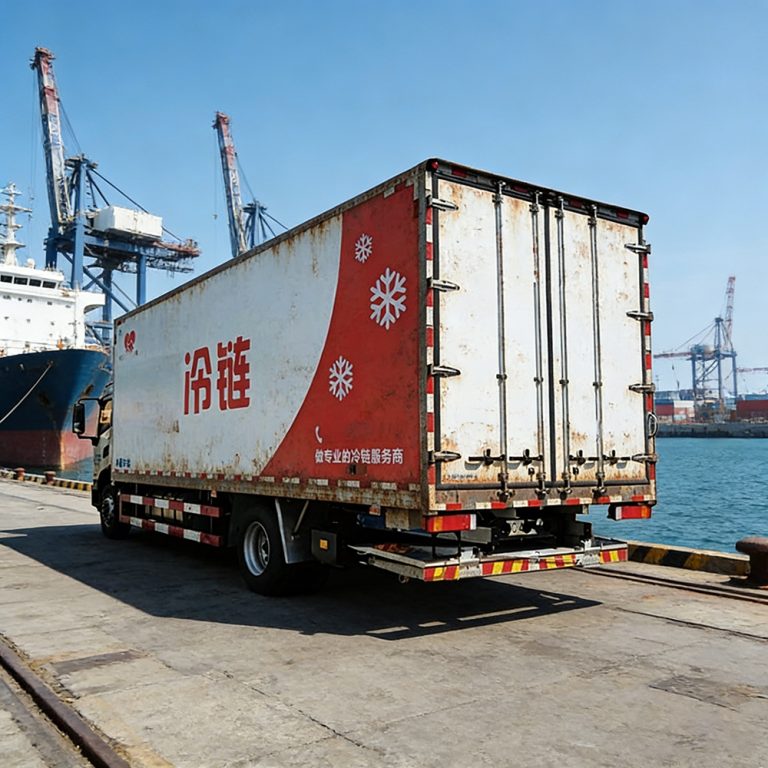
— Operations manager from a regional cold-chain distribution company
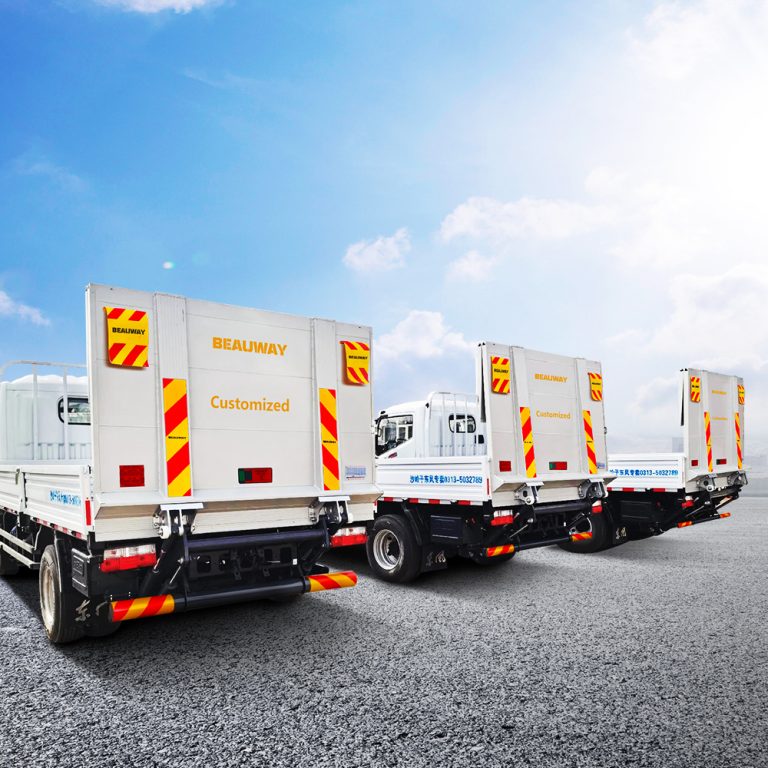
Compared with traditional manual loading, a tailgate lift allows a single operator to complete tasks that previously required multiple workers.
Key Advantages of Truck Tailgate Lift Systems
1. Improved Loading and Unloading Efficiency
One of the most noticeable benefits of installing a van tailgate lift is the improvement in operational efficiency.
Traditional loading often requires several workers lifting heavy goods manually. With a lift platform, cargo can be transferred directly between ground level and the vehicle cargo floor.
Operational Comparison
Comparison ItemManual HandlingUsing Lift TailgateResultLoading personnelMultiple workers requiredOften single operatorLabor reductionWork intensityHeavy physical workAssisted mechanical liftingLower fatigueLoading speedSlower and inconsistentFaster and stableHigher efficiencyWeather influenceEasily affectedMore stable operationsReliable delivery
For logistics companies handling frequent delivery routes, this improvement can significantly shorten loading time.
Better Cargo Protection
Another important advantage of tailgate lifts for trucks is improved cargo protection.
The lift platform provides a stable transfer surface, reducing the risk of cargo falling during loading.
Important protective factors include:
- Stable lifting platform
- Controlled hydraulic movement
- Reduced manual handling
- Better alignment with cargo floors
These benefits are particularly valuable for transporting:
- fragile equipment
- cold-chain products
- electronic goods
- medical equipment
Improved Operational Safety
Manual handling often leads to injuries caused by repetitive lifting or unstable cargo.
Using a tailgate hydraulic lift can significantly reduce these risks.
Common safety improvements include
- Reduced risk of back injuries
- Lower chance of cargo falling accidents
- Safer loading in rainy or snowy conditions
- More controlled cargo movement
A standardized lift operation also allows companies to implement clear safety procedures for workers.
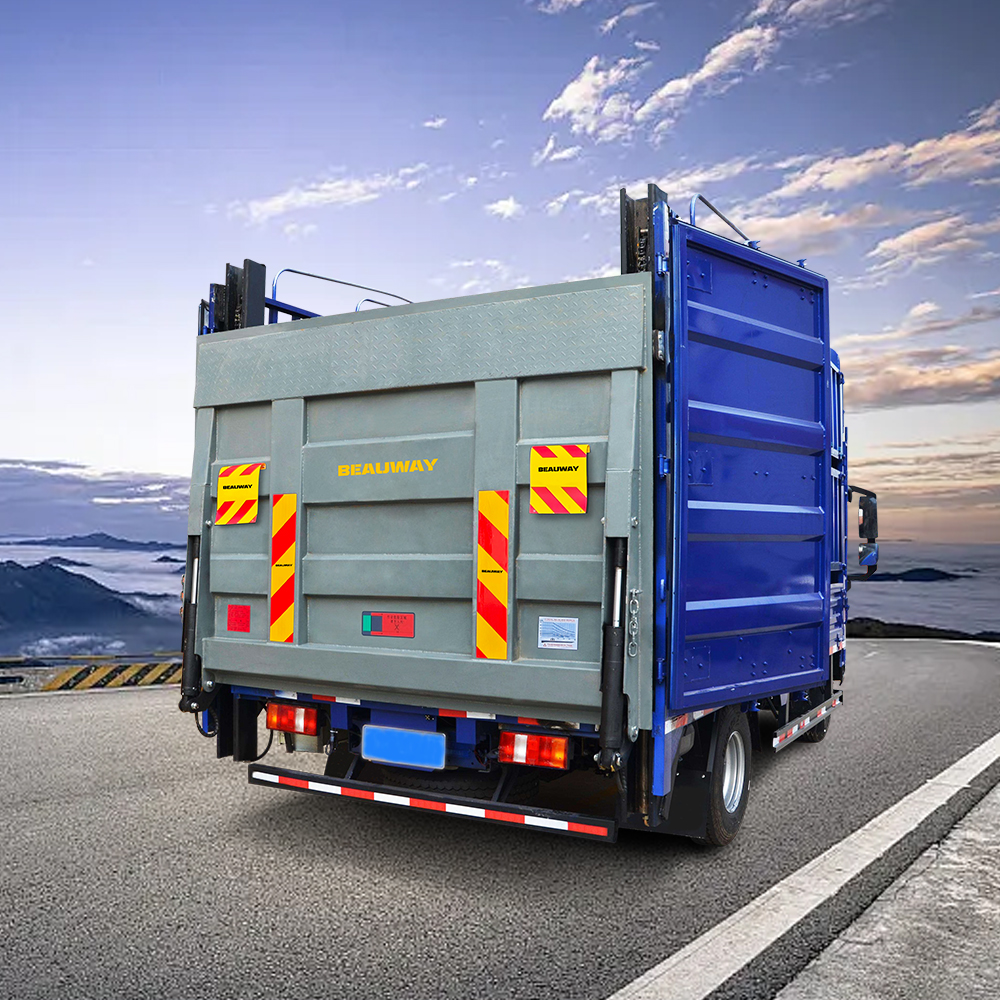
4. Adaptability to Various Delivery Environments
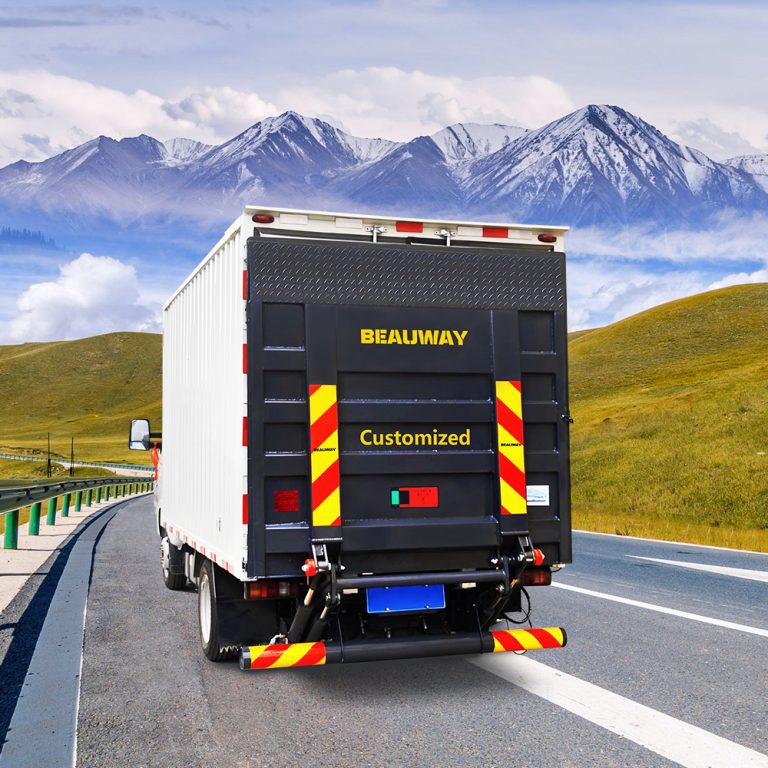
A major advantage of truck cantilever hydraulic tailgate lifting systems is their flexibility.
They allow trucks to operate efficiently in locations without loading docks.
Typical application scenarios
- Urban delivery routes
- Retail store supply
- Residential delivery areas
- Temporary loading locations
Because of this flexibility, vehicles equipped with tailgate lifts can serve a wider range of logistics environments.
Practical Disadvantages of Tailgate Lift Systems
While tailgate lifts provide many benefits, they also have several limitations that logistics companies should consider.
Additional Load on Vehicle Battery
Most tailgate lifts are powered by the vehicle’s electrical system.
Frequent operation can increase battery load, especially in cold climates where battery performance is naturally reduced.
Typical solutions used by logistics fleets
- Install a dual battery system
- Perform regular battery health checks
- Avoid excessive lift use when the engine is off
- Use high-quality commercial vehicle batteries
A dual battery system is often considered the most reliable solution.
Regular Maintenance Requirements
Like any hydraulic system, tailgate lifts require routine maintenance.
Important maintenance tasks include:
- Checking hydraulic oil condition
- Inspecting hydraulic cylinders for leaks
- Lubricating moving joints and hinges
- Inspecting wiring and electrical connections
- Checking structural mounting points
Suggested maintenance frequency
Usage IntensityRecommended MaintenanceHigh frequency (20+ operations daily)Monthly inspectionMedium frequencyQuarterly maintenanceLow frequencySemi-annual inspection
Regular maintenance helps prevent unexpected equipment failure.
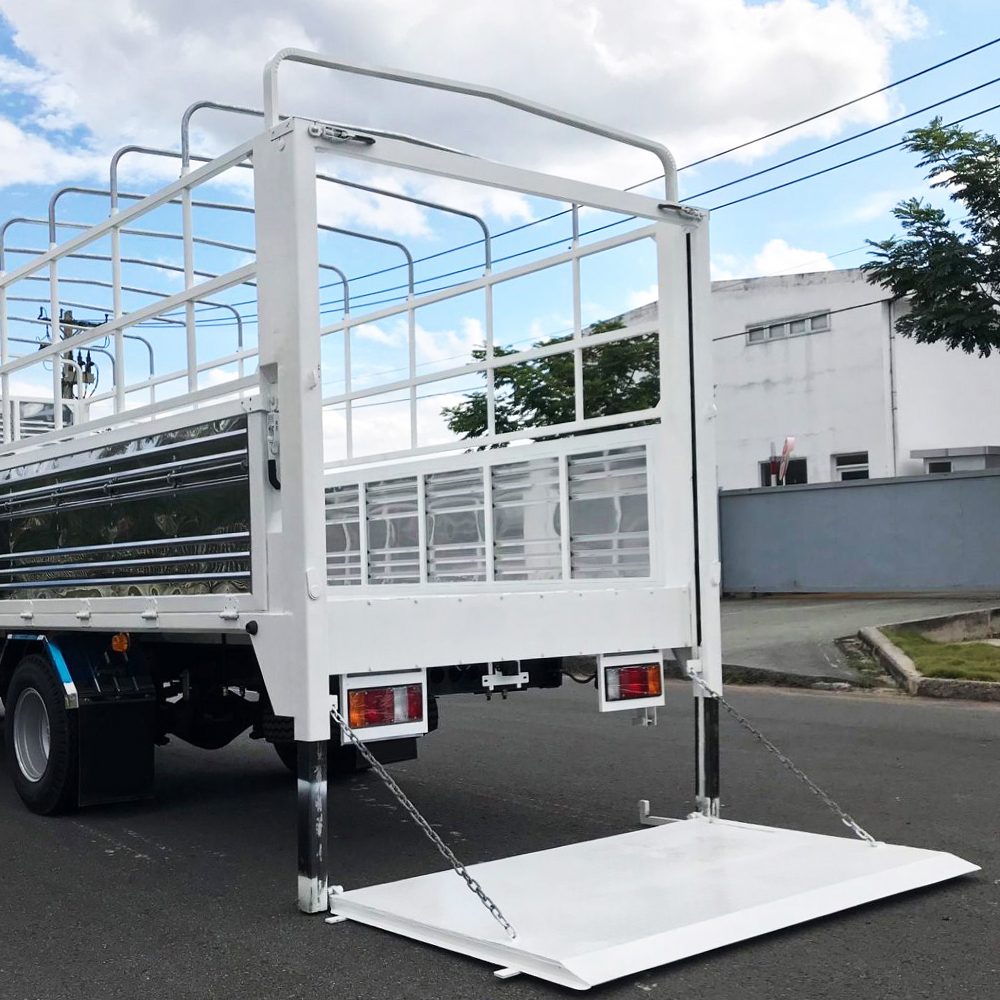
3. Additional Vehicle Weight
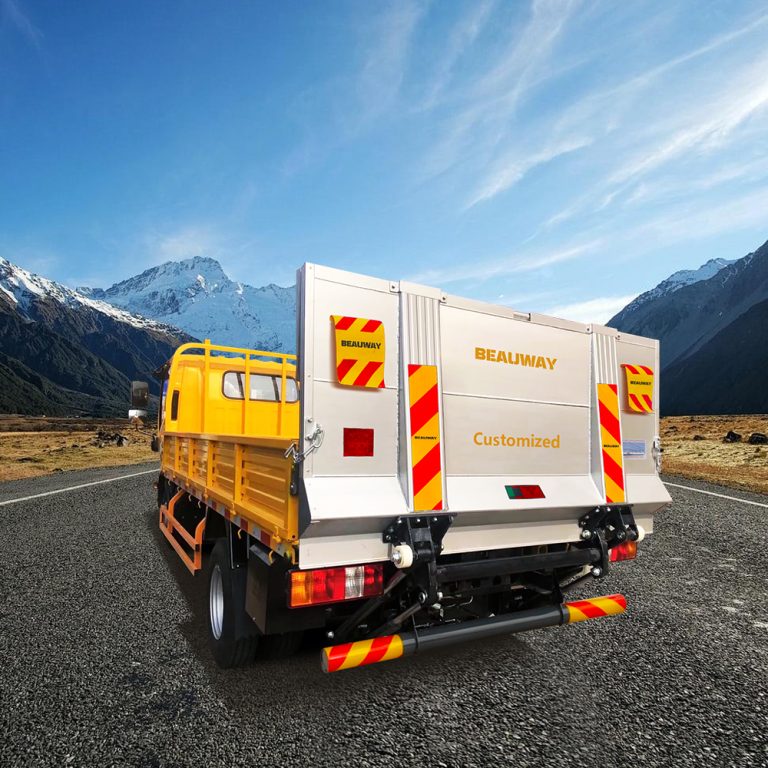
Installing a tailgate lift increases the overall vehicle weight.
Typical lift systems weigh approximately:
- 150 kg – 300 kg
However, the exact weight depends on material type, platform size, and lifting capacity.
In many logistics fleets, the choice between steel and aluminum platforms directly affects the overall vehicle weight.
Typical Tail Lift Weight by Material
Tail Lift TypeMaterialTypical WeightCharacteristicsLight-duty tail liftMixed materials150 – 300 kgSuitable for small delivery trucksSteel tail liftHigh-strength steel400 – 500 kgHigher structural strength and heavy-duty useAluminum tail liftAluminum alloy350 – 450 kgLighter weight and corrosion resistance
The added weight may lead to:
- slightly reduced payload capacity
- minor fuel consumption increase
- small impact on vehicle acceleration
However, in most logistics operations, the efficiency gains generally outweigh the disadvantages of the added weight.
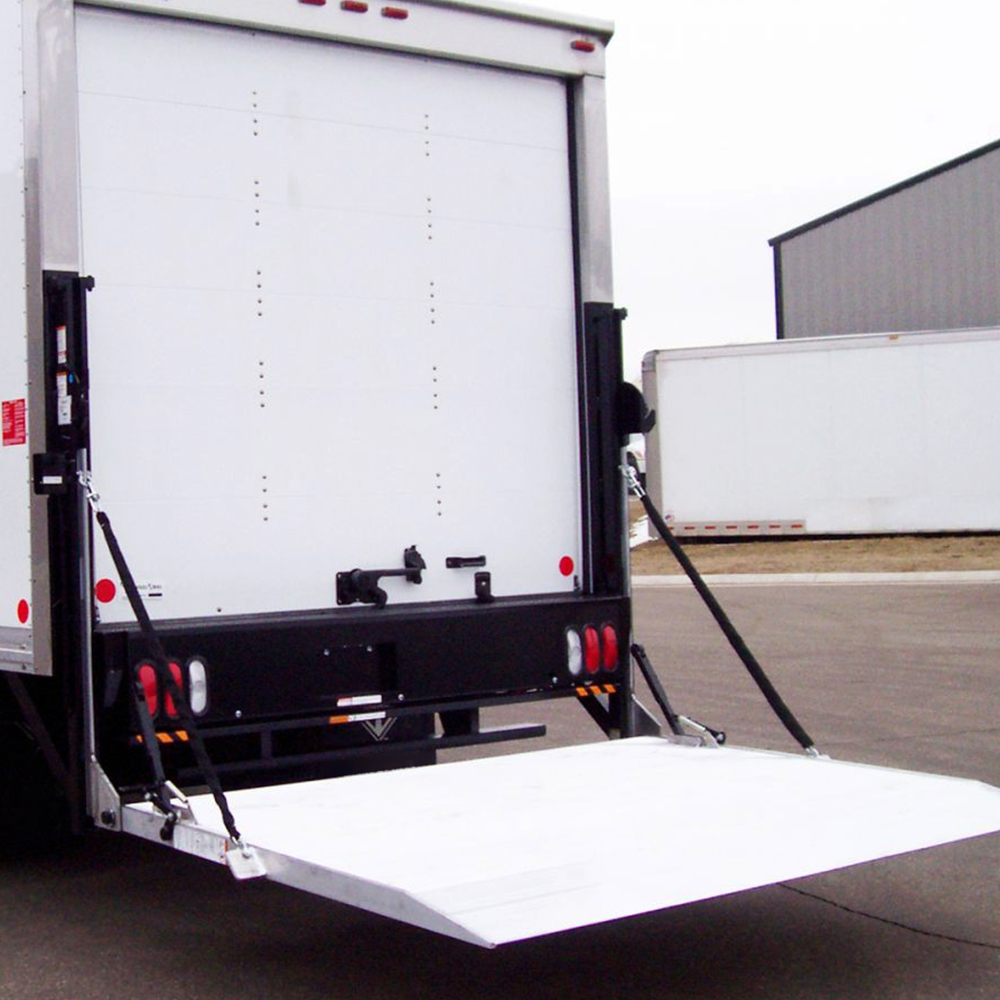
How to Choose the Right Tailgate Lift
Selecting the appropriate lift depends on vehicle type and delivery needs.
Typical load capacity guidelines
Vehicle TypeRecommended Lift CapacityTypical UseLight box truck500 – 800 kgParcel deliveryMedium distribution truck800 – 1500 kgSupermarket supplyHeavy truck1500 – 2000 kgBulk goods transport
Important selection considerations
- Hydraulic system reliability
- Structural welding quality
- Corrosion protection
- Availability of service support
Common Mistakes in Tailgate Lift Installation
Based on industry experience, several mistakes frequently occur during installation.
These should be avoided
- Selecting excessively large load capacity
- Improper installation that affects truck frame strength
- Ignoring regular maintenance
- Lack of operator training
Correct installation and operation significantly extend the service life of lift tailgates.
Future Development Trends
The logistics equipment industry continues to improve tailgate lift technology.
Emerging innovations include:
- automatic load detection systems
- remote fault diagnostics
- improved battery efficiency
- advanced safety protection systems
These improvements are expanding tailgate lift applications beyond traditional freight transport.
Conclusion
Truck tailgate lifts have become a valuable tool in modern logistics operations. They improve loading efficiency, reduce labor intensity, and enhance cargo safety.
However, companies must also consider factors such as battery load, maintenance requirements, and additional vehicle weight before installing a lift system.
When properly selected and maintained, lift tailgates provide long-term operational benefits for logistics fleets and distribution vehicles.