- (+86) 190-1604-8953










Hydraulic Tail Lift Components Explained: Key Parts of a Truck Tail Lift System
What Are the Key Components of a Truck Hydraulic Tail Lift? A Complete Guide to Its Core Structure and Buying Logic
A hydraulic tail lift is not simply a “lifting platform.” It is a hydraulic mechanical system composed of multiple components working together. Only by understanding its structure can buyers, operators, and maintenance teams make informed decisions.
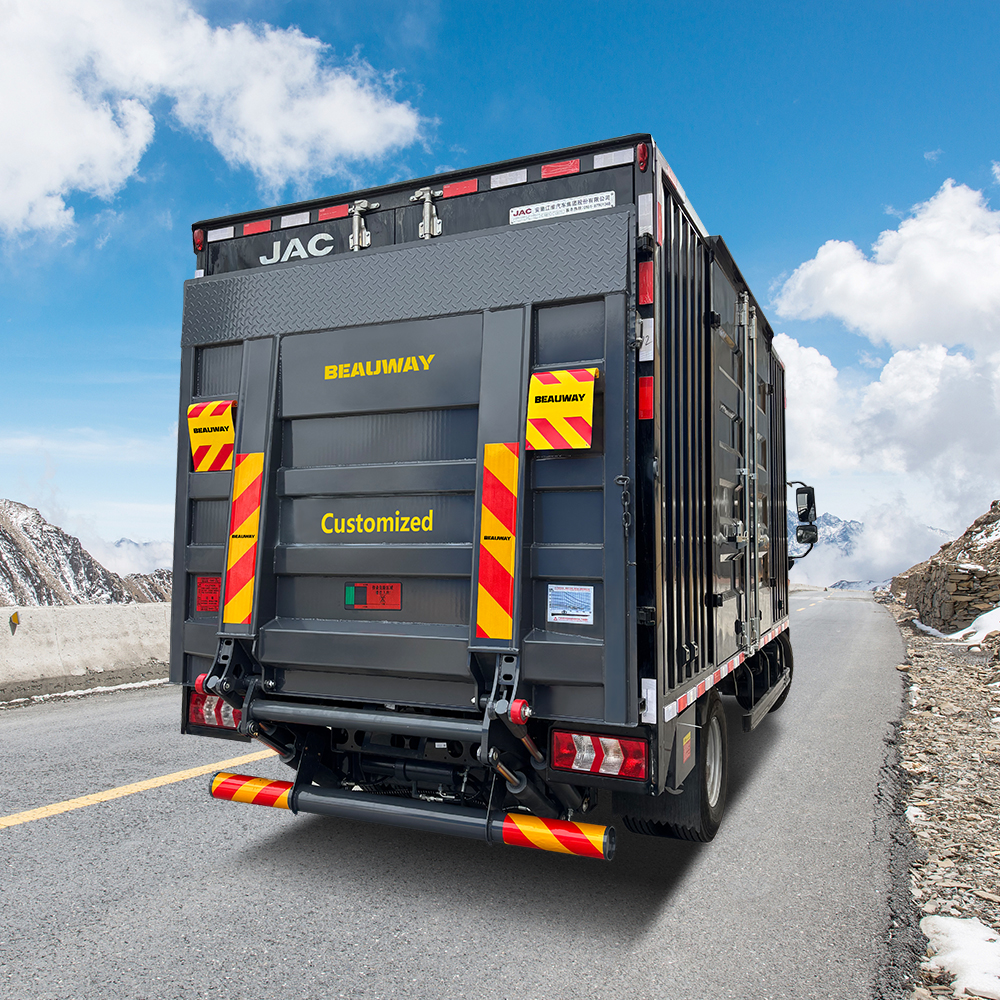
1. First Understand: What Problem Does a Hydraulic Tail Lift Solve?
In the logistics industry, loading and unloading efficiency in the “last mile” has long been a hidden driver of operational costs. A fully loaded box truck typically has a cargo floor height of 1.2–1.5 meters above the ground. Relying solely on manual handling is not only inefficient but also a major source of workplace injuries.
According to research from the European Agency for Safety and Health at Work (EU-OSHA), manual material handling is the leading cause of musculoskeletal injuries in the logistics industry, particularly among transportation and warehouse workers. The fundamental value of a hydraulic tail lift is to replace manual labor with mechanical force, reducing these risks at the source.
Understanding hydraulic tail lift components is the first step toward selecting and using the right equipment.
2. System Architecture: Three Core Modules
A complete hydraulic tail lift system consists of three functional modules:
Power Module
Electric motor + hydraulic pump convert electrical energy into hydraulic pressure.
Actuation Module
Hydraulic cylinders convert pressure into the lifting and lowering motion of the platform.
Control Module
The control panel or remote switch receives commands and manages the operation of the entire system.
The coordination of these three modules determines the stability of a tail lift in high-frequency operating environments. A weakness in any single module can become the performance bottleneck of the entire system.
3. Hydraulic Pump: Where System Pressure Is Generated
The hydraulic pump is the power core of the tail lift hydraulic system. It converts mechanical energy into hydraulic pressure to drive the cylinders and complete lifting operations. In commercial tail lift applications, gear pumps are the most common due to their simple structure, reliability, and suitability for frequent start-stop operations.
When selecting a hydraulic pump for tail lift, system rated pressure is one of the most critical parameters. Higher rated pressure allows greater lifting force with the same cylinder diameter, but excessive pressure also places greater demands on seals and hydraulic lines.
Typical design references in the industry:
- Tail lifts with 500 kg–1000 kg capacity generally use systems rated at around 16 MPa
- Heavy-duty lifts with 1500 kg–2000 kg capacity typically use around 18 MPa
This pressure classification is widely used in the industry, balancing output performance with system lifespan.
Pump wear is the most common degradation issue in hydraulic pumps, usually appearing as reduced system pressure and slower lifting speed. Regular inspection of pump seals and scheduled hydraulic oil replacement (typically ISO 46 anti-wear hydraulic oil) are the most effective ways to extend pump life.
4. Hydraulic Cylinders: The Direct Source of Lifting Force
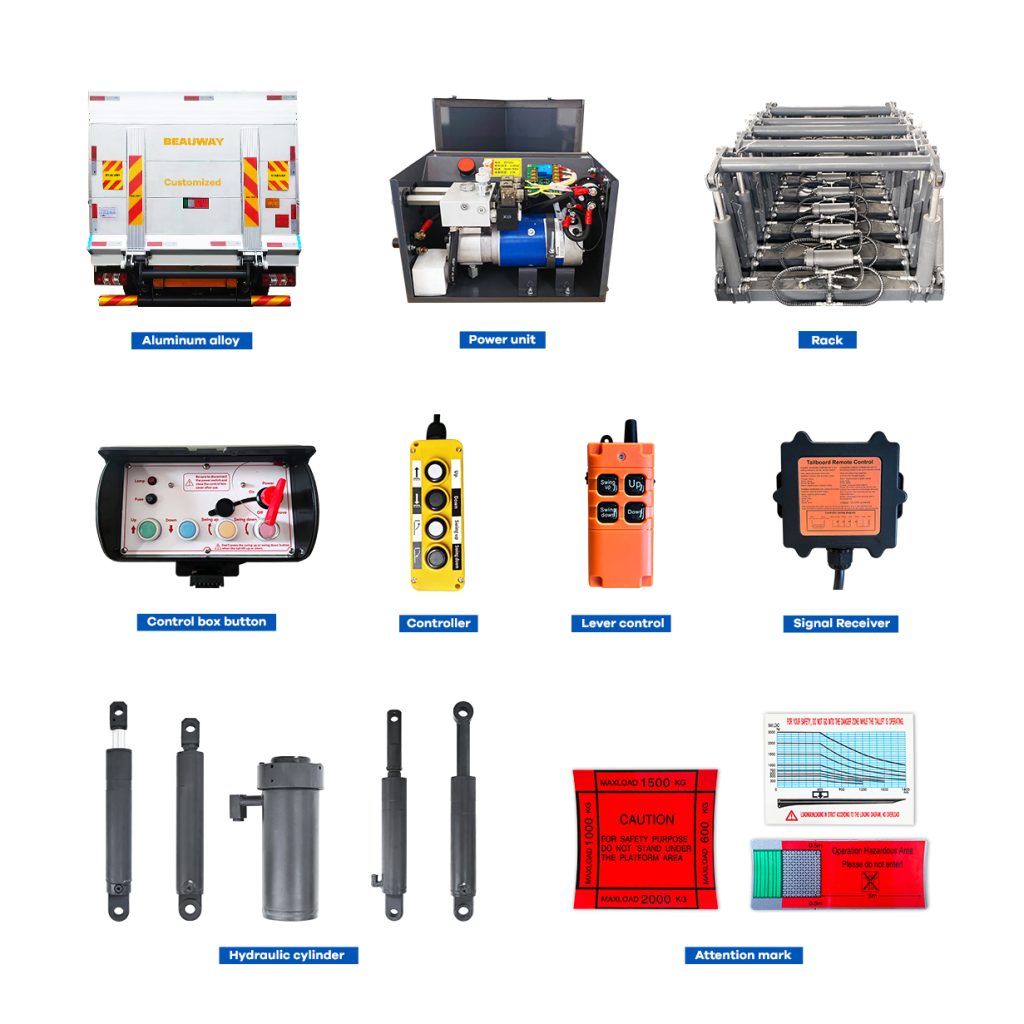
The hydraulic cylinder for tail lift is the most heavily loaded component in the entire system. It must support the platform weight, the load weight, and maintain precise stroke control during every lifting operation.
Commercial tail lifts typically adopt a dual-cylinder configuration:
- Lift cylinders control the raising and lowering of the platform
- Fold cylinders control the folding and unfolding of the platform
Both cylinders use a piston-type design. Oil pressure extends the piston, and return flow retracts it, ensuring clear operation logic and reliable performance.
Among all hydraulic liftgate components, the piston rod of the hydraulic cylinder requires the most regular inspection. If the chrome-plated surface becomes scratched or damaged, seal wear accelerates and oil leakage can occur. Visual inspection of the rod surface before operation is strongly recommended.
Three common failure types and solutions:
Seal leakage — Check the piston rod surface for scratches or seal aging
Slow lifting speed — Check hydraulic oil level and filter cleanliness
Cylinder deformation — Usually caused by overload; never exceed rated capacity
5. Power Unit: Reliability Through Integrated Design
To understand how hydraulic tail lifts work, the power unit is a key component. It integrates the electric motor, hydraulic pump, oil tank, filters, and solenoid valves into a single module.
Compared with earlier distributed systems, integrated power units offer advantages in reliability, maintenance efficiency, and installation convenience.
Three parameters should be prioritized during selection:
- Motor power must match system pressure and load capacity
- The motor should include thermal protection to prevent overheating
- Supply voltage must match the vehicle chassis system (12V DC or 24V DC are most common)
6. Lift Platform: The Working Surface That Affects Efficiency
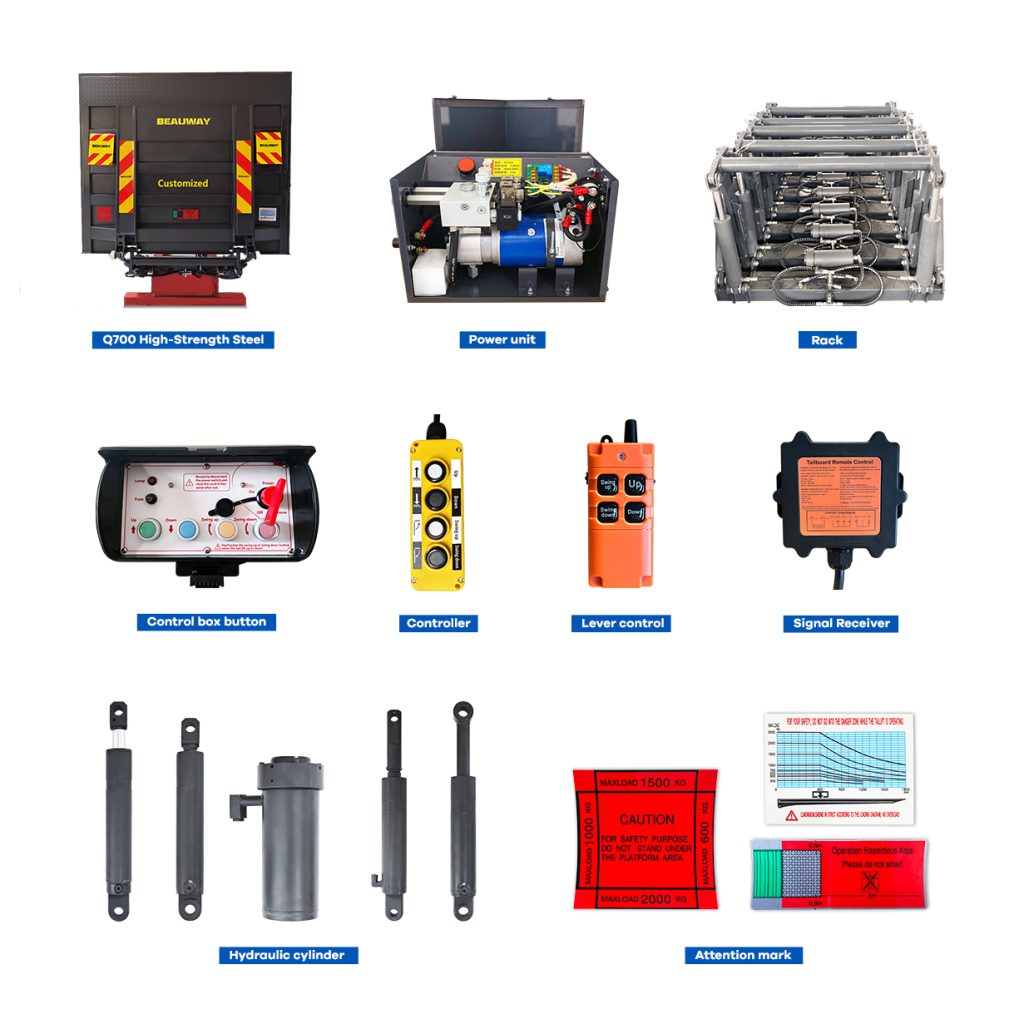
The lift platform is the only surface directly contacting cargo. Its material, dimensions, and surface treatment directly influence daily loading efficiency. Understanding the hydraulic tail lift working principle means recognizing the importance of platform design.
Material Selection Logic
| Material | Weight | Corrosion Resistance | Typical Application |
|---|---|---|---|
| Q235 Steel Plate | Heavier | Anti-rust coating | General cargo delivery and heavy industrial handling |
| Aluminum Alloy | Lightweight (about 1/3 of steel) | Anodized, excellent corrosion resistance | Food logistics and lightweight vehicle applications |
Platform width is typically customizable to accommodate different cargo sizes. Anti-slip surfaces are a basic safety requirement. High-quality tail lifts should have corrosion-resistant coatings tested with salt spray resistance of at least 500 hours, an important indicator of environmental durability.
7. Control System: The Final Layer of Operational Safety
Understanding the main components of a hydraulic tail lift also means recognizing the importance of the control system. Although often overlooked during procurement, it directly affects operational safety.
A mature commercial tail lift control system typically includes:
- Dual control modes — fixed control box + remote buttons to prevent single-point failure
- Two-hand operation design — reduces the risk of accidental activation
- Limit switches — automatically stop the platform at maximum height and ground position
- Overload protection — stops operation when load exceeds rated capacity
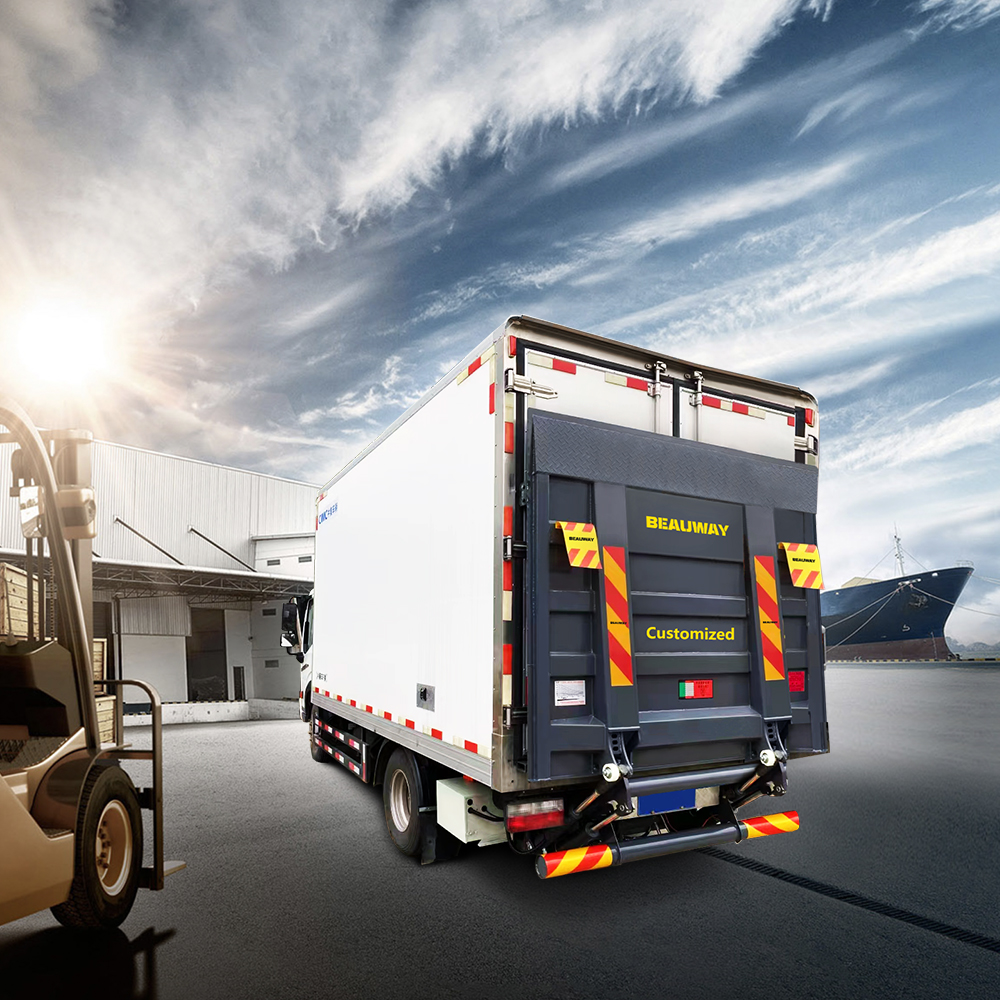
8. Hydraulic Lines and Seals: The Hidden Support of System Stability
Within the parts of a truck tail lift, hydraulic lines and seals are often overlooked but are frequent sources of failure.
High-quality hydraulic hoses are critical for long-term stability. Commercial tail lifts commonly use double-layer steel-wire braided hoses, which offer significantly better pressure resistance and vibration durability than single-layer hoses.
Seal material selection is equally important. Vehicles operating in low-temperature environments should use Nitrile Rubber (NBR) or Fluoroelastomer (FKM) seals to prevent sealing failure caused by cold hardening.
Hydraulic fittings and hose fixing points require regular inspection. Continuous vibration may loosen connections or cause hose wear. Any oil leakage must be addressed immediately to avoid operating with faults.
9. Anti-Corrosion Coating: A Long-Term Cost Factor Often Ignored
Tail lifts are exposed to rain, road salt, and cargo impact over long periods. Corrosion resistance directly determines the actual service life of the equipment. When evaluating a hydraulic liftgate system for trucks, corrosion protection standards should be a key comparison factor.
The common industry evaluation standard is salt spray testing time.
Mainstream manufacturers typically require structural components to pass more than 500 hours of salt spray testing. Aluminum platforms often combine electrostatic powder coating with anodizing treatment for improved corrosion resistance.
Before purchasing, buyers should request the supplier’s salt spray test report, which is the most direct verification of corrosion protection capability.
10. How to Evaluate a Tail Lift Manufacturer
When evaluating different hydraulic tail lift manufacturers, four dimensions form the core selection framework:
| Evaluation Dimension | Key Focus | Verification Method |
|---|---|---|
| Parameter Transparency | Are system pressure, cylinder diameter, and motor power clearly stated? | Request technical specification manuals |
| Product Range | Does the product line cover 0.5T–2T capacities with material options? | Review product catalog |
| Corrosion Certification | Does salt spray resistance exceed 500 hours? | Request test reports |
| Spare Parts Support | Are seals, limit switches, and other wear parts readily available? | Ask about spare part lead times and inventory |
A reliable truck tail lift manufacturer should be able to provide clear and verifiable answers for all these aspects. Suppliers who provide complete technical documentation usually demonstrate higher product standardization and stronger after-sales support.
11. Article Summary
The core value of hydraulic tail lifts lies in replacing high-risk manual handling with a reliable mechanical system. Understanding the hydraulic tail lift working principle and each component behind it helps buyers avoid misleading specifications, detect risks early during operation, and focus maintenance spending where it matters most.
Key points to remember:
- System rated pressure is the key indicator of hydraulic pump performance. Light- and medium-duty lifts typically operate around 16 MPa, while heavy-duty models operate around 18 MPa
- A dual-cylinder configuration (lift cylinder + fold cylinder) is the standard structure for commercial tail lifts; piston rod chrome quality strongly influences cylinder lifespan
- Aluminum platforms with anodized treatment are ideal for applications requiring strong corrosion resistance
- 500-hour salt spray testing and complete technical documentation are two important benchmarks for evaluating a hydraulic tail lift manufacturer
If you are selecting hydraulic tail lifts for fleet or warehouse operations,
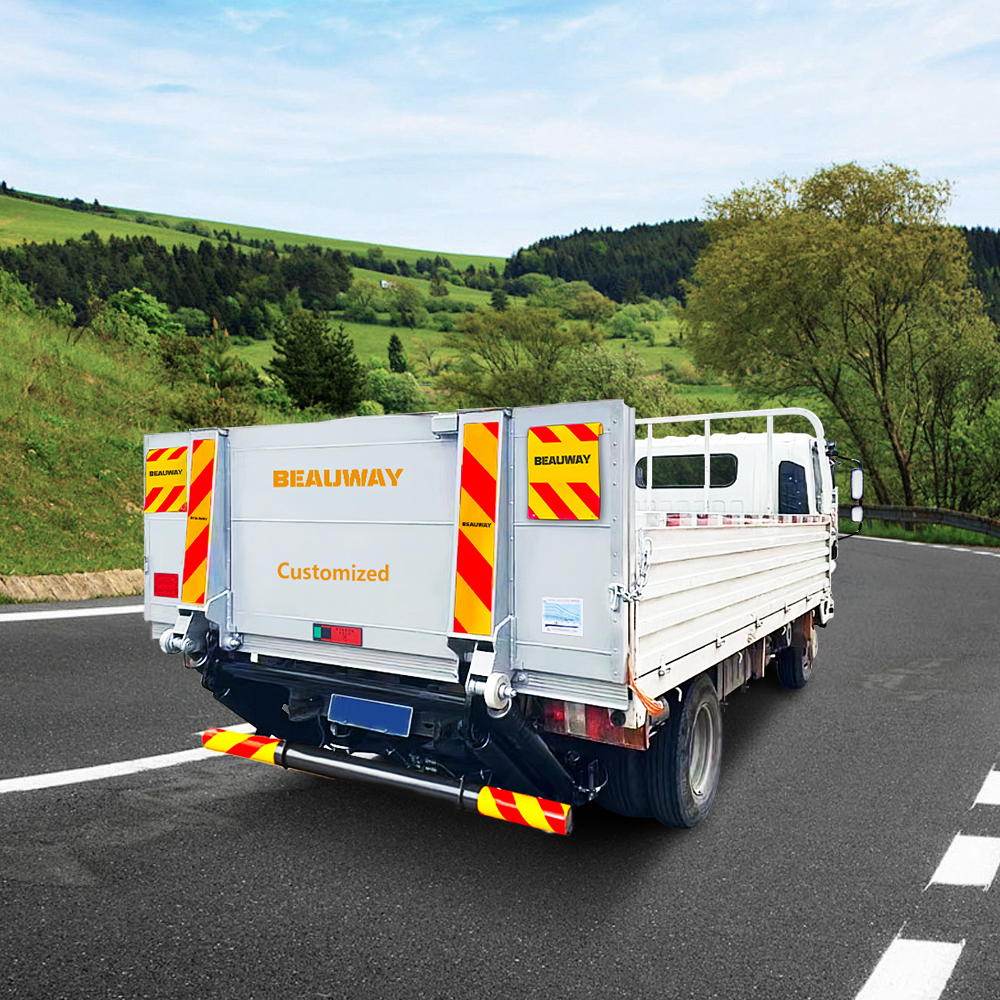
Beauway provides a full range of cantilever tail lifts from 0.5T to 2T, with optional steel or aluminum platforms and customization for different vehicle models.
Anhui Beauway Machinery Manufacturing Co., Ltd. | www.beauway.com | Tel: +86 19016048953