







Aluminum vs Steel Tail Lifts: Which Is Better for Your Truck?
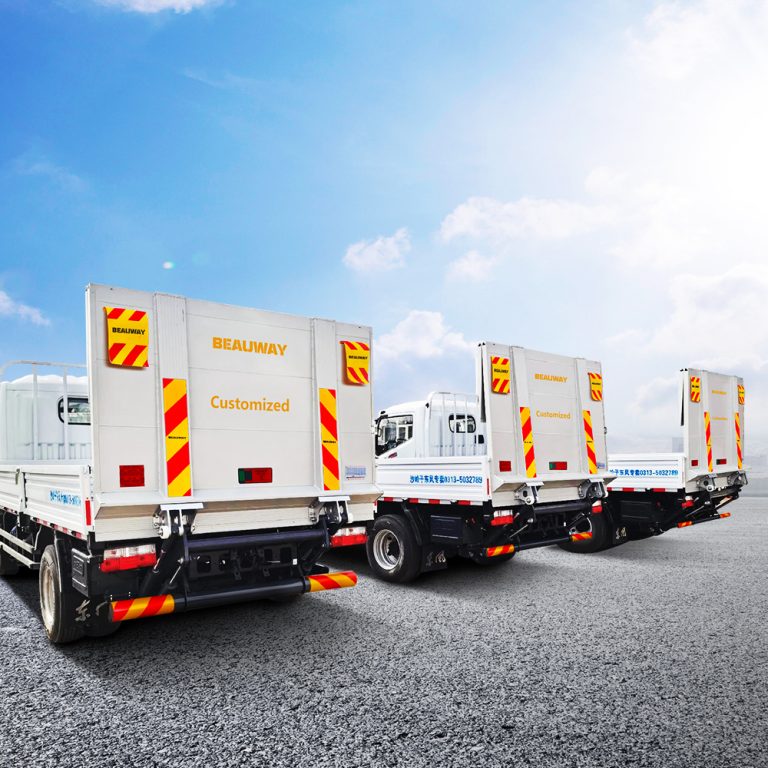
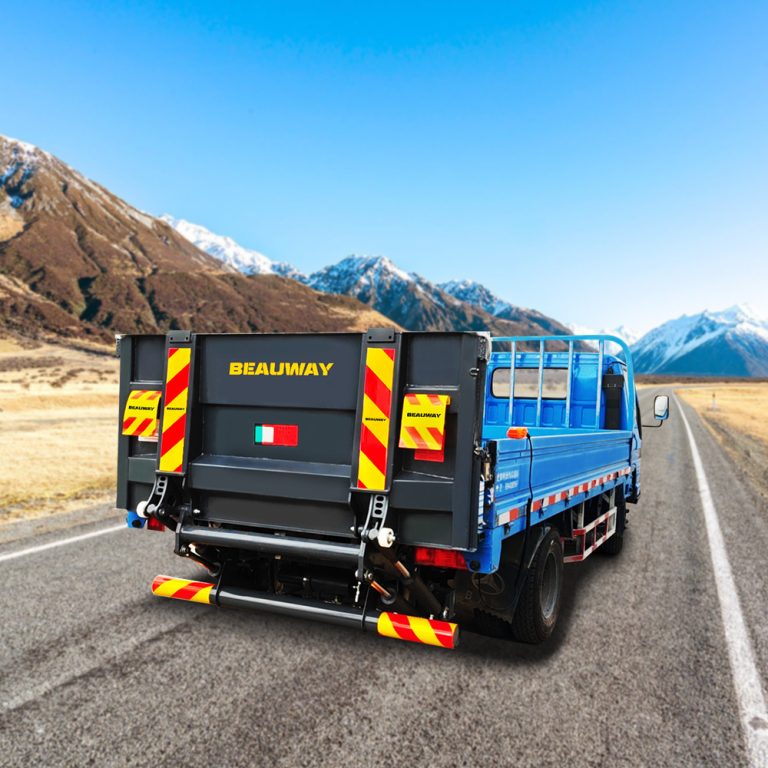
In commercial transportation, a tail lift is not just a lifting platform—it’s a core part of your truck’s cargo handling system. Choosing the right platform material directly affects your truck loading lift efficiency, durability, and long-term operational costs. Based on my hands-on experience with logistics companies, fleet managers, and retrofit workshops, I’ll analyze the differences between aluminum tail lift and steel tail lift, so you can make an informed choice.
Why Platform Material Matters
When selecting a truck tail lift, most fleets first consider lifting capacity. However, the platform material also critically impacts vehicle tail lift performance, including:
- Vehicle payload
- Fuel consumption
- Corrosion resistance
- Structural lifespan
- Daily maintenance cost
In Europe and North America, tail lift platforms are mainly made of aluminum tail lift or steel tail lift.
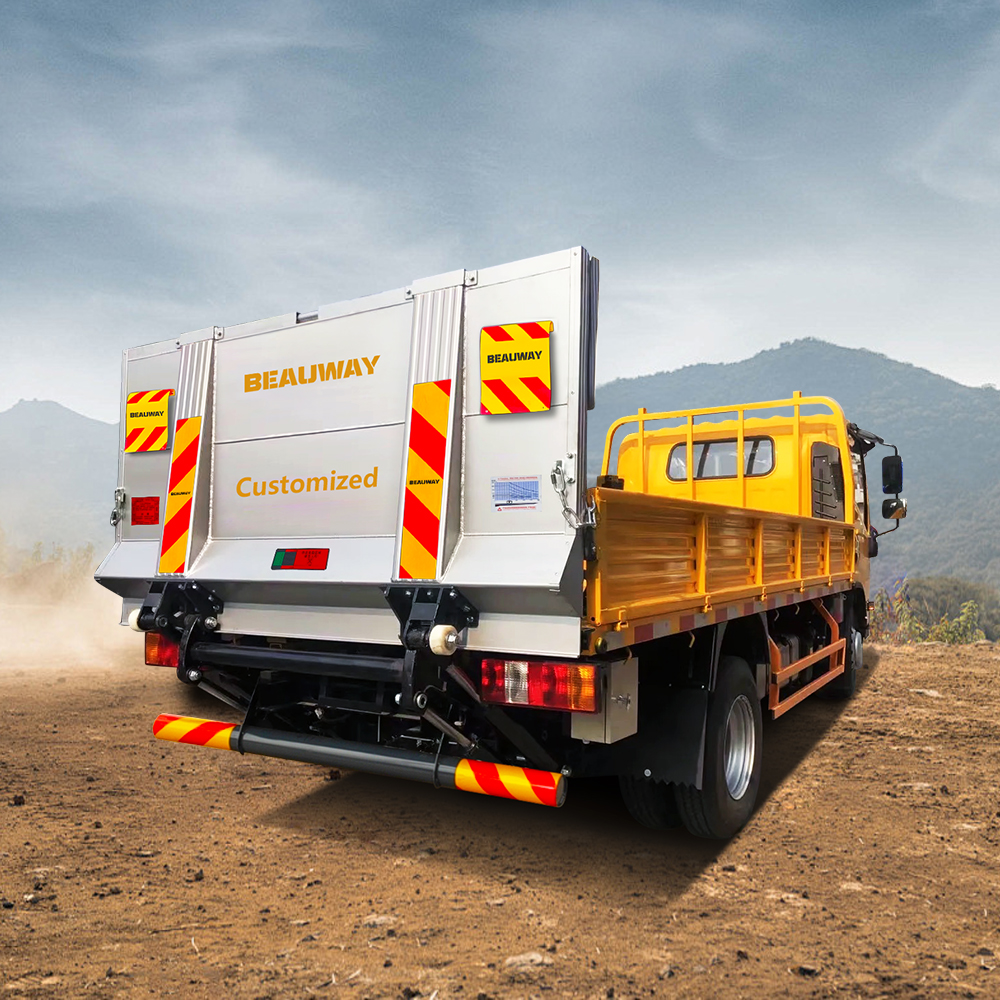
Advantages of Aluminum Tail Lifts
1. Lightweight Design
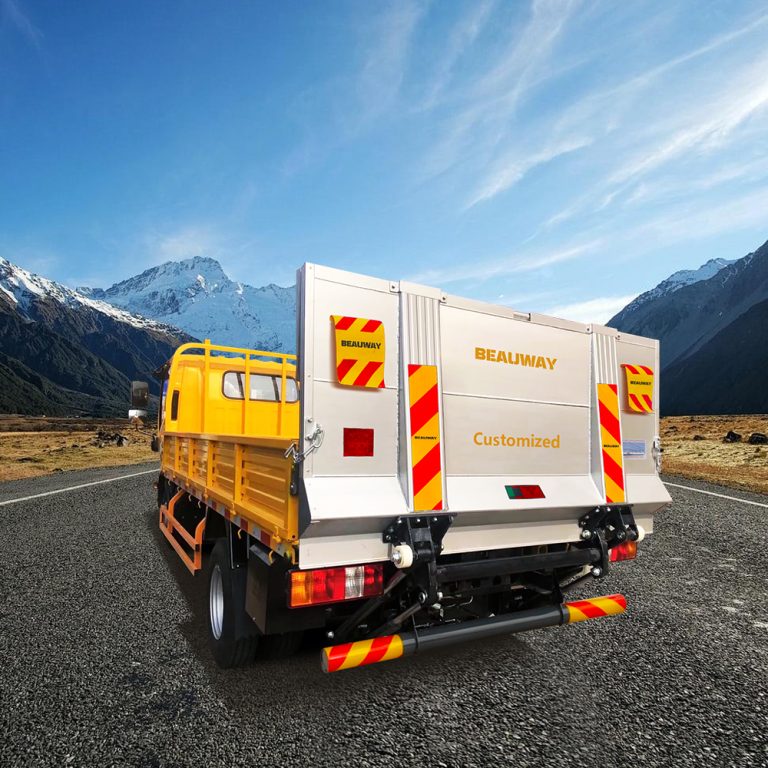
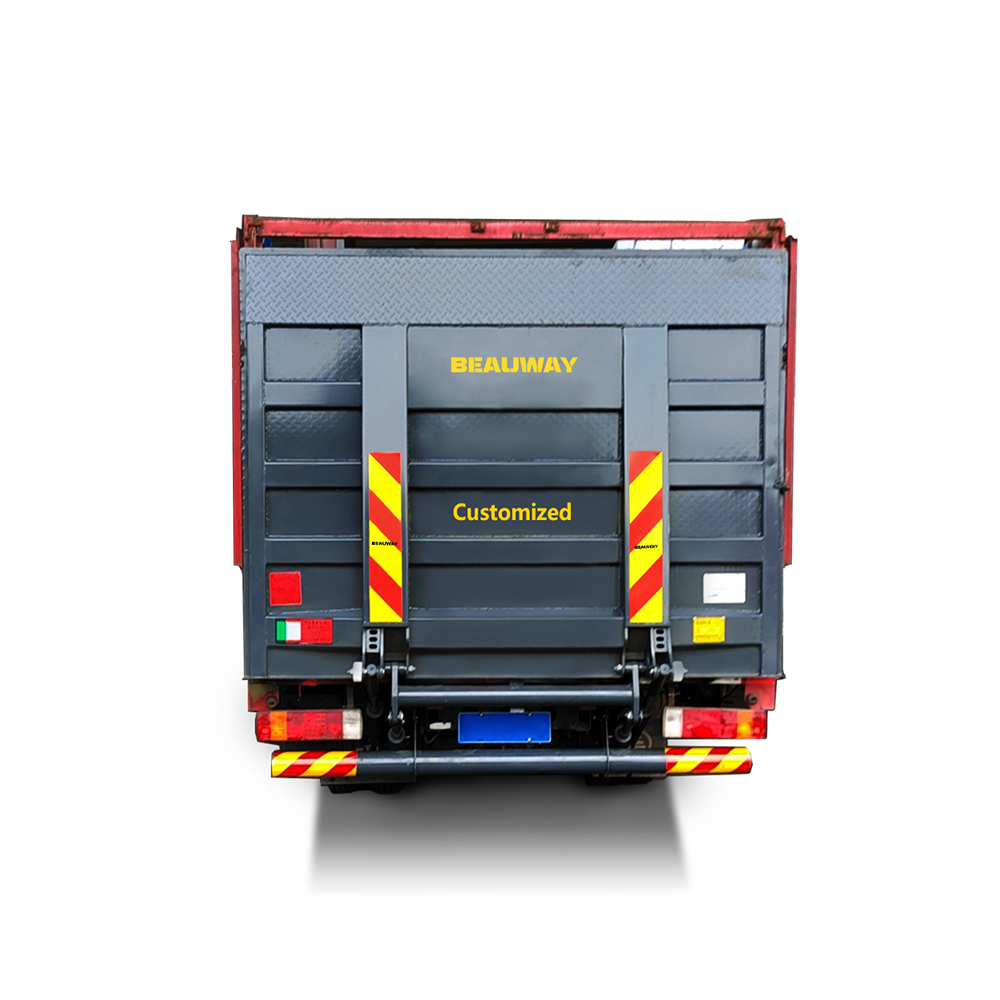
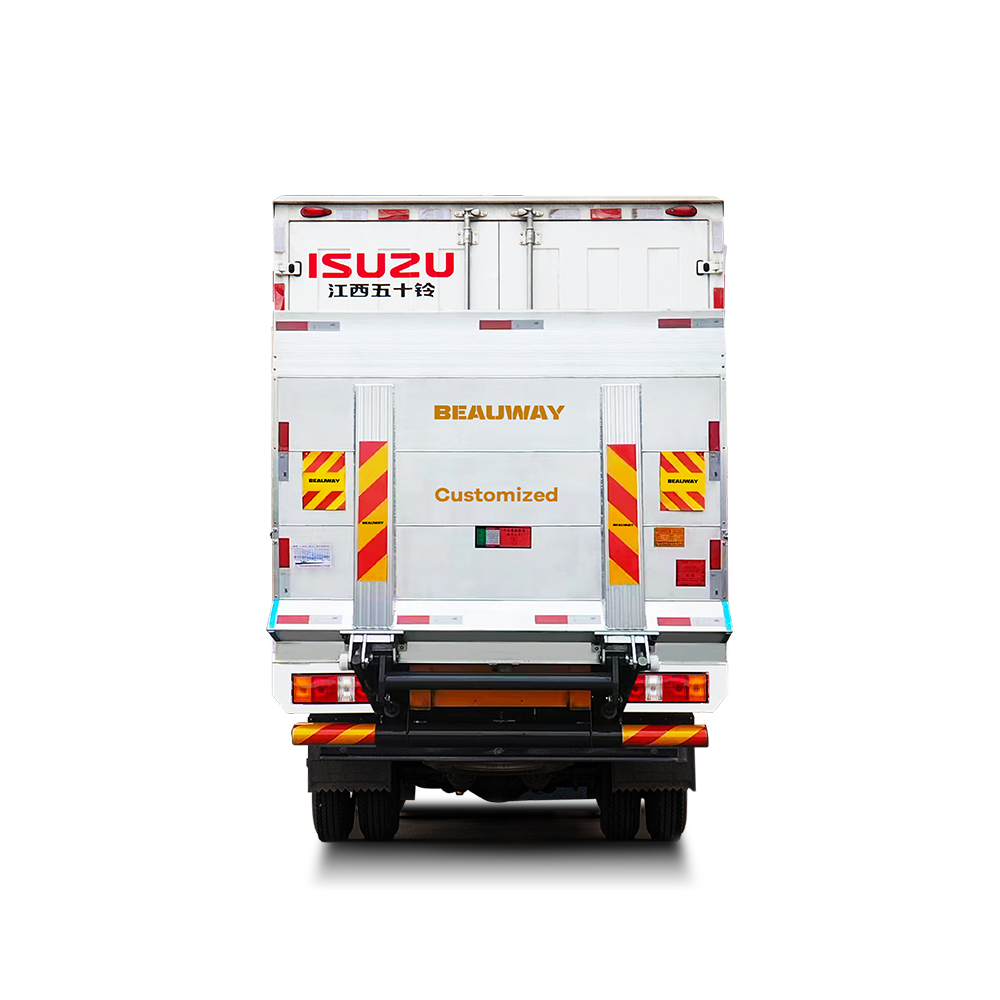
Aluminum tail lifts weigh approximately 350–450 kg, 50–100 kg lighter than comparable steel platforms. Lightweight platforms mean:
- Increased truck cargo lift platform payload
- Lower fuel consumption
- Ideal for frequent delivery vehicles, such as tail lift for delivery trucks
2. Excellent Corrosion Resistance
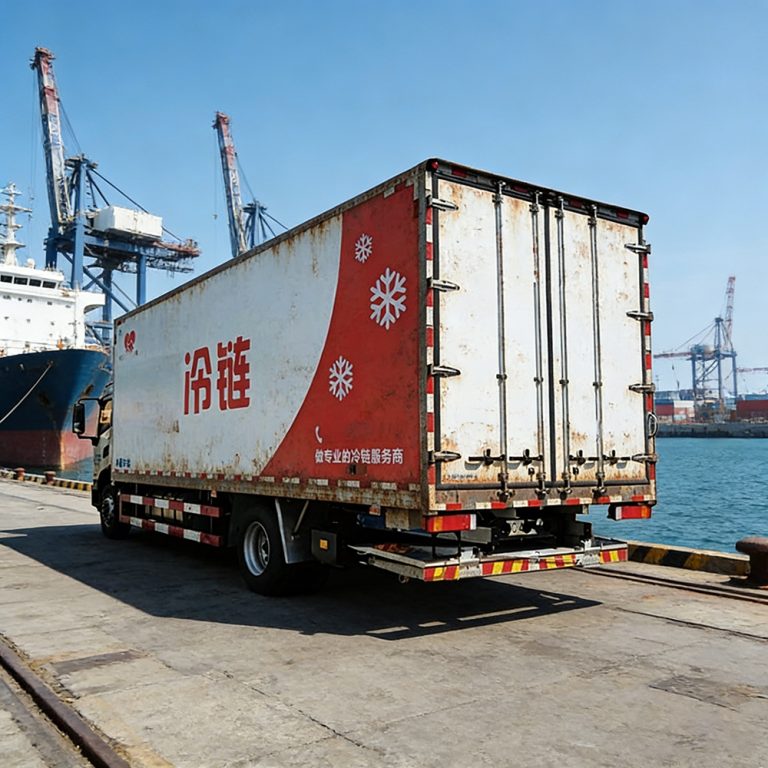
Aluminum naturally resists oxidation, making it perfect for wet environments or cold-chain vehicles. Real-world cases show that tail lift for refrigerated trucks with aluminum platforms can maintain good condition after 5+ years of use. Maintenance costs are minimal.
3. Easy Maintenance
- Regular inspection of hydraulic tail lift system
- Cleaning the platform surface
- Checking safety devices tail lift safety tips
Compared with steel, aluminum tail lift is simpler to maintain, reducing downtime.
Characteristics of Steel Tail Lifts
1. High Strength and Impact Resistance
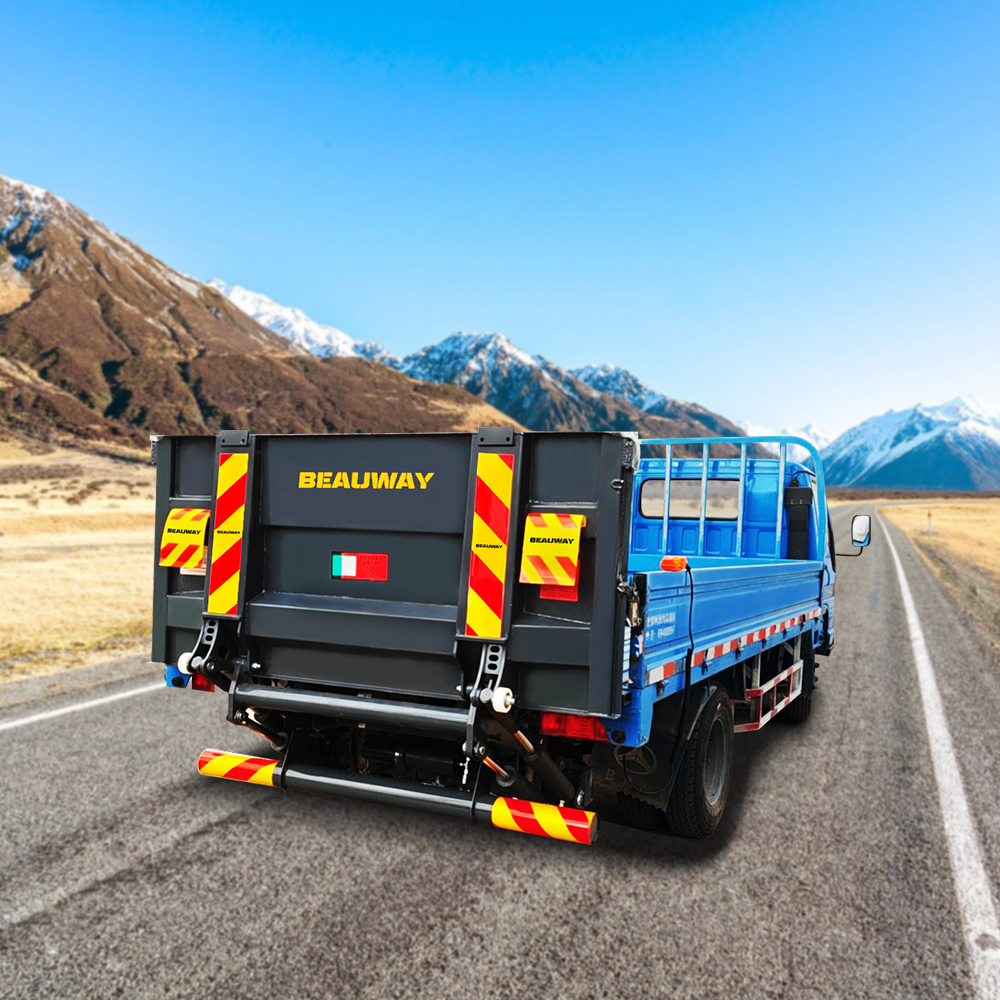
Steel platforms weigh about 400–500 kg, slightly heavier than aluminum but structurally stronger. Ideal for:
- Heavy-duty freight
- tail lift for cargo trucks
- Industrial and construction logistics
2. Cost Advantage
Steel tail lifts have lower initial costs than aluminum, and replacement parts are more accessible. They suit fleets that need truck loading platform lift with high payloads but have limited budgets.
3. Durability
- High-strength steel resists wear
- Supports frequent heavy lifting for truck rear lift platform
- Reliable long-term performance
Aluminum vs Steel Tail Lift Comparison Table
| Feature | Aluminum Tail Lift | Steel Tail Lift |
|---|---|---|
| Platform Weight | 350–450 kg | 400–500 kg |
| Lifting Capacity | 500–2000 kg | 500–2000 kg |
| Corrosion Resistance | Excellent | Good (requires anti-rust treatment) |
| Maintenance Cost | Low | Medium |
| Suitable Scenarios | Delivery trucks, cold-chain | Heavy cargo trucks, construction vehicles |
| Initial Cost | High | Low |
Selection Recommendations
From my practical experience:
- Lightweight and high-frequency loading → Choose aluminum tail lift
- High payload, harsh operating environment → Choose steel tail lift
- Mixed demands → Consider steel for critical components, aluminum for weight reduction
Additionally, check tail lift installation guide and truck tail lift buying guide to ensure compatibility with your vehicle.
Daily Operation Tips
- tail lift capacity guide: Always follow rated load limits
- tail lift platform size: Choose platform size suitable for vehicle and cargo
- tail lift troubleshooting: Inspect hydraulic and mechanical systems regularly
- tail lift maintenance tips: Keep rollers, hinges, and controls in good condition
- how does a tail lift work: Operators must understand operating principles
Practical Experience Insights
Through years of working with fleets and retrofit workshops, I’ve found that material choice significantly affects operational efficiency:
- Aluminum tail lift: Lightweight, corrosion-resistant, lower maintenance
- Steel tail lift: High strength, wear-resistant, cost-effective
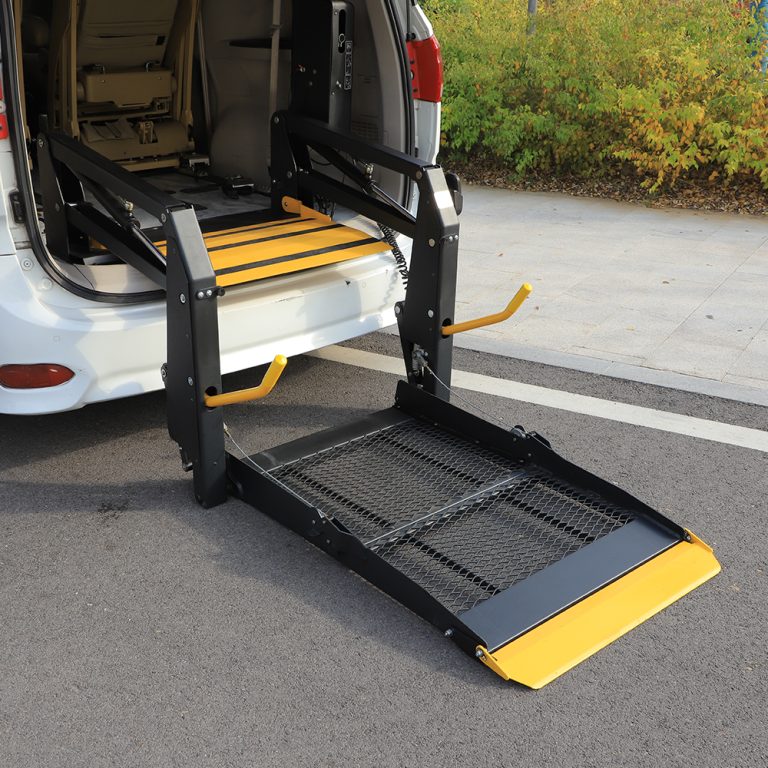
Selecting the right tail lift platform and ensuring proper installation of hydraulic cantilever tail lift or folding liftgate for trucks, while following standard operating procedures, will enhance efficiency and safety.
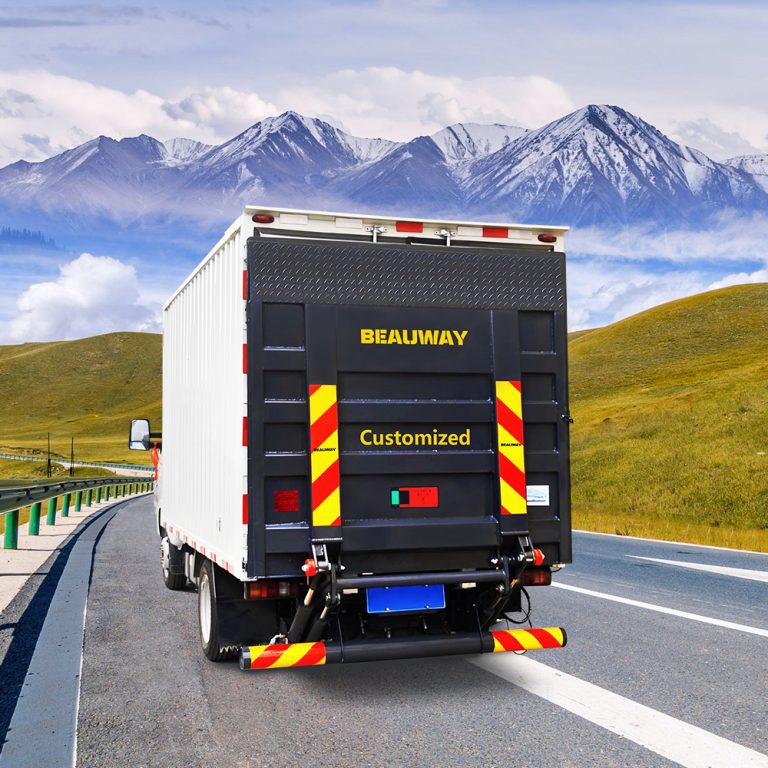
Beauway provides professional tail lift solutions, including cantilever, folding, vertical, and truck cargo lift platforms. Every tail lift undergoes strict quality control to ensure high efficiency, safety, and long-term reliability. Choosing the appropriate material—whether lightweight aluminum or high-strength steel—can improve truck loading operations, reduce maintenance, and guarantee dependable performance. For trucks requiring trusted and expert solutions, Beauway tail lift delivers exceptional support for all cargo handling needs.